

Prenuptial agreements aren’t exactly first-date conversation material, and most couples would rather spend their planning energy on flowers than finances. But family lawyer Ella Hickman of Hickman Family Lawyers sees, more often than not, what happens when that conversation gets left too late, or handled badly. Here’s her advice on how to actually raise it, when to raise it, and why the timing matters more than most couples realise.
Talking about a prenuptial agreement isn’t usually at the top of a loved-up couple’s list when they’re planning a future together. While discussing finances and what could happen if a relationship ends can feel uncomfortable, having an open and honest conversation early on can help both partners feel more secure.
Approaching the topic thoughtfully and respectfully can make the discussion much easier. Here’s some guidance from family lawyer Ella Hickman, of Hickman Family Lawyers in Perth.
Many people put a prenuptial agreement in place to protect assets, businesses, inheritances or financial interests they bring into a relationship. In Australia these are known as Binding Financial Agreements, or BFAs, and they set out how property and finances would be divided if the relationship broke down.
Raising the subject can still feel challenging. Some people worry their partner will think they’re expecting the relationship to fail, others fear conflict or hurt feelings. Whether you’re newly engaged, living together, or entering a second marriage, knowing how to start this conversation can help both partners feel heard and respected throughout the process.
Be clear about why you want to talk about it
Before bringing up the idea, it’s worth understanding your own reasons for wanting one. The conversation is likely to be more productive if you can explain your motivations rather than simply announcing that you want an agreement.
Perhaps you’ve worked hard to build a business, own property, have children from a previous relationship, or expect an inheritance. You may simply want certainty and clarity. Whatever your reasons, reflecting on them beforehand helps you communicate them more effectively, and reassures your partner that the conversation is about planning for the future, not questioning your commitment.
Make it part of your broader financial planning
One way to make the topic feel less confronting is to raise it within broader conversations about finances and future planning. Most couples already discuss budgeting, property, superannuation, debts and long-term goals as their relationship progresses.
Rather than presenting it as a standalone issue, think of it as one part of responsible financial planning, alongside things like life insurance and wills. That shift removes some of the emotional weight, moving the focus from preparing for a breakdown to making sensible decisions together.

Timing is everything
The timing of this conversation has a significant impact on how it’s received, and this is where I’ve seen things go wrong most often.
Asha* came to see us about four weeks out from her wedding. Her partner had given her a draft agreement, described to her as “a formality”, and suggested she just needed a lawyer to sign off on it. What Asha didn’t know was that being asked to negotiate and sign something so close to the wedding date can actually make an agreement capable of being set aside later. We suggested the wedding go ahead, and that the two of them properly consider the agreement afterwards, without that deadline hanging over them. This mattered even more for Asha, because she was financially worse off than her fiancé and stood to be affected more by the terms he wanted her to sign.
That doesn’t go down well with people who just want it tidied up before the big day. What I always say is, how long have you had your dress picked out? How many months ago did you book the venue or the photographer? A financial agreement deserves at least that level of lead time, so there’s actually room for proper advice, not just a signature under pressure.
Bringing this up well before any major deadline gives both people time to consider their options and think carefully about the terms. Rushing it can lead to resentment, or the feeling that one person’s being pressured into something.
Listen as much as you talk
A successful conversation isn’t just about explaining your own position. Your partner may have questions you’ve never considered, or concerns about fairness and trust. They may need time to sit with the idea before forming an opinion.
Approaching it as a shared conversation rather than a negotiation makes it far easier to land somewhere that works for both of you.
Expect it to get emotional
Even approached carefully, this topic can trigger real reactions. Some people feel hurt or surprised, others read it as a sign of mistrust. That’s normal. Financial matters are tied up with security, values and expectations for the future, and giving your partner room to process that helps keep things from becoming confrontational.
Stay patient, avoid getting defensive if the reaction is strong, and remember it might take more than one conversation before you’re both discussing it constructively.
Use “we” language, not “I” language
The words you choose shape how the conversation goes. Instead of framing it around what “I want” or “I need”, try language that emphasises partnership, “we”, “our future”, “our planning”. That framing affects whether your partner sees this as something that benefits you both, or something designed to protect only one person.

Remember the benefits go both ways
A common misconception is that these agreements only benefit the wealthier partner. In reality, they create certainty for both people and can reduce the risk of drawn-out disputes down the track. For couples entering second marriages, blending families, or bringing significant assets into a relationship, that certainty can be worth a great deal to both parties, not just one.
It’s also worth knowing these agreements aren’t set in stone forever. Some couples choose to add a clause allowing the terms to be reviewed periodically, or when a major life event happens, a baby, a business sale, an inheritance. That keeps the agreement fair as circumstances change, rather than locking in a snapshot of where you were the day you signed.
Get independent legal advice, and get it early
For an agreement to be legally binding in Australia, each person needs their own independent legal advice. It’s not a box-ticking exercise; it’s what ensures both people actually understand what they’re signing and what it means. Getting that advice early also makes the conversation between partners easier, because there’s a clearer shared understanding of how it all works.
Talking about this may feel uncomfortable at first, but open communication and proper timing make the process far smoother. It’s a conversation worth having early, and worth giving the same care you’d give to any of the big decisions around your wedding.
*Name has been changed to protect identity.
About the author: Ella Hickman is a family lawyer at Hickman Family Lawyers in Perth, specialising in family and relationship law.
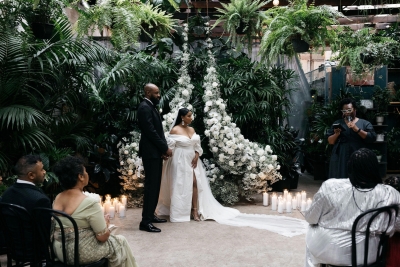
Photos throughout this post were captured by Fran Jorgenson via Cheyenne and Kat’s Fun Wedding at Rice Paper Scissors






Join the conversation