
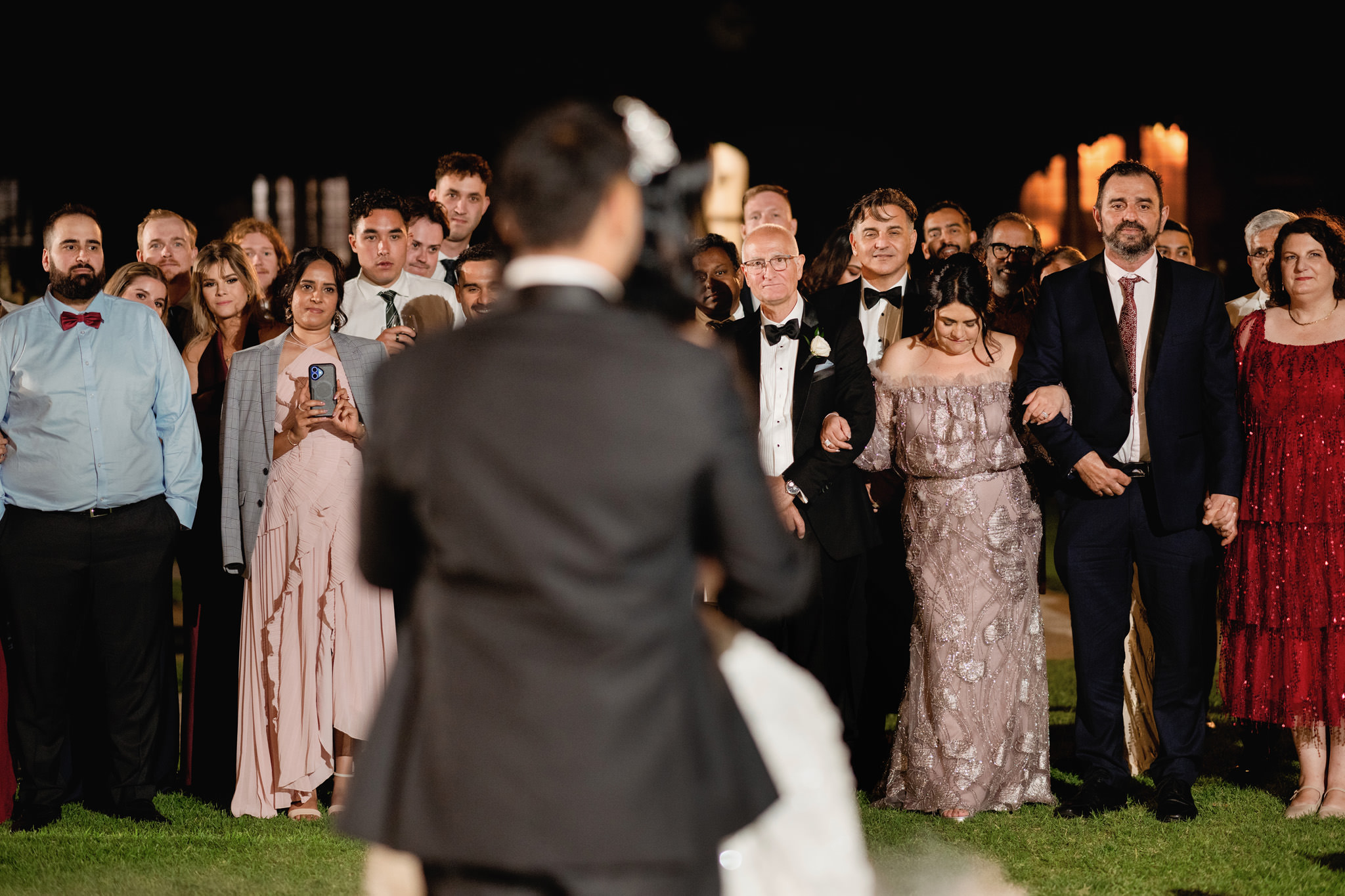
When planning a wedding, it’s easy to focus on the ceremony, golden hour portraits and all the beautiful moments that unfold in daylight. But some of the most memorable photographs are captured long after the sun has set. From candlelit receptions and heartfelt speeches to packed dance floors and late night celebrations, photographing a wedding after dark requires both creativity and careful planning.
Today on Polka Dot Wisdom, photographer Norman Yap shares what every couple should know about wedding photography after dark. From lighting and timelines to working with your venue and photographer, Norman’s expert advice will help you create the conditions for beautiful, atmospheric images that capture the energy and emotion of your celebration from beginning to end. A special thank you to Norman for also sharing the beautiful imagery featured throughout this article.
There’s a moment at every wedding where things shift. The formalities wrap up, the lights come down, and the room changes from a celebration into a party. It’s one of my favourite parts of the day to photograph, and it’s also the part couples tend to plan for the least. So, here’s what I’d love every couple to understand about capturing the night, the little things you don’t know to ask for but that make all the difference once the sun goes down.
When the lights go down
The first thing I think about when the lights come down is not actually my camera settings. It’s the moment. What’s the story we want to champion right now, and how do we hold onto it. From there we usually work one of two ways. Either we’ve pre-set our lights ahead of time, so an area is ready when the moment lands, or we use off camera flash on the couple when things get more dynamic and we need to move fast.
The second thing, and this is the part couples don’t see, is protecting the mood of the room. It’s really easy to light a space so heavily that you lose the whole feeling of it. The vibe that made the night special can disappear the second you flood it with light. So, a lot of what we do after dark is a balancing act. Enough light to tell the story cleanly, and not so much that the room stops feeling like the room.
Not all lighting plays nicely with a camera
People put a lot of thought into atmosphere now, and some of it photographs beautifully. Neon signs are great, especially when there’s a bit of haze or fog in the air, because the light catches the particles and you get this gorgeous, moody, coloured glow. You can get strong beams cutting through a space that we can lean into. The unique, intentional pieces tend to work really well.
What works against us is broad, flooded colour, and this is the big one with some DJ lighting. When a strong coloured wash is splashed across everything, it flattens your subjects and wrecks skin tones. Suddenly one person’s face is purple and the other is green, and it becomes really hard for us to bring the colour back to something natural. Venue lighting matters here too. A space with powerful down-lights they can angle and adjust is perfect, while some hotels only let you shoot with ambient light, and that’s a harder starting point. If you love the idea of coloured lighting, that’s completely fine, just know that broad, full room colour is the kind that gives your photographer the most trouble.
Know where your photographer stands on flash
Flash divides people, and honestly a lot of it comes down to your photographer’s style. We use a lot of off camera flash to isolate the couple and guide your eye to where the story is. But the way we use light, we’re always trying to preserve detail and avoid blowing out highlights, so it never feels harsh or washed out. If you love a particular look, dark and moody or bright and punchy, it’s worth talking to your photographer about how they use light so you’re both on the same page.
Dark dance floors need a plan
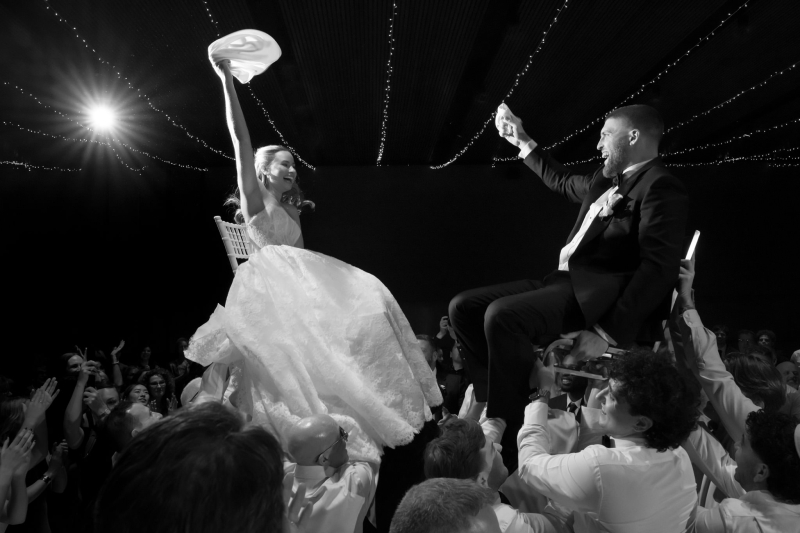
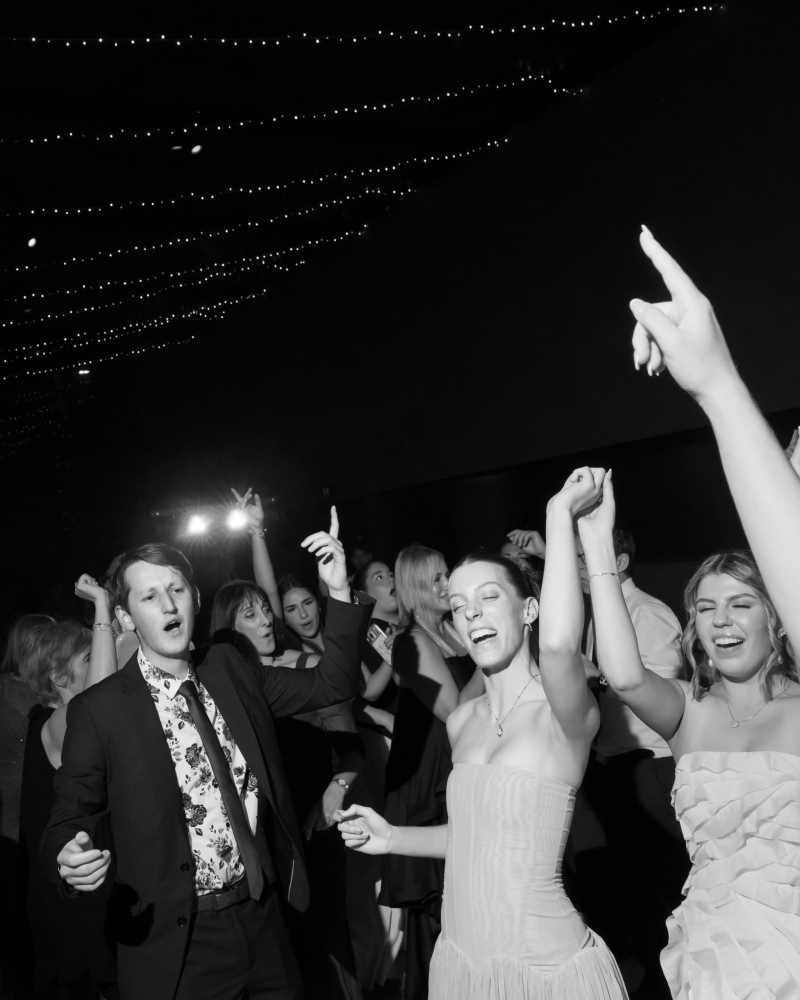
Silent discos and packed dance floors are dark and they move quickly, so there are a couple of ways we keep the energy without it turning into a blur. If I’m working solo, I’ll use a lot of off camera flash held up high, so the light still comes from above and keeps a nice shadow under the chin rather than going flat. For bigger, busier moments, say a hora at a Jewish wedding where there’s so much happening all at once, we’ll run a mobile lighting setup. That’s a second shooter or assistant acting as a lighting assistant the whole time, moving with me and pointing light exactly where we need it.
Ask your venue what it actually looks like at night
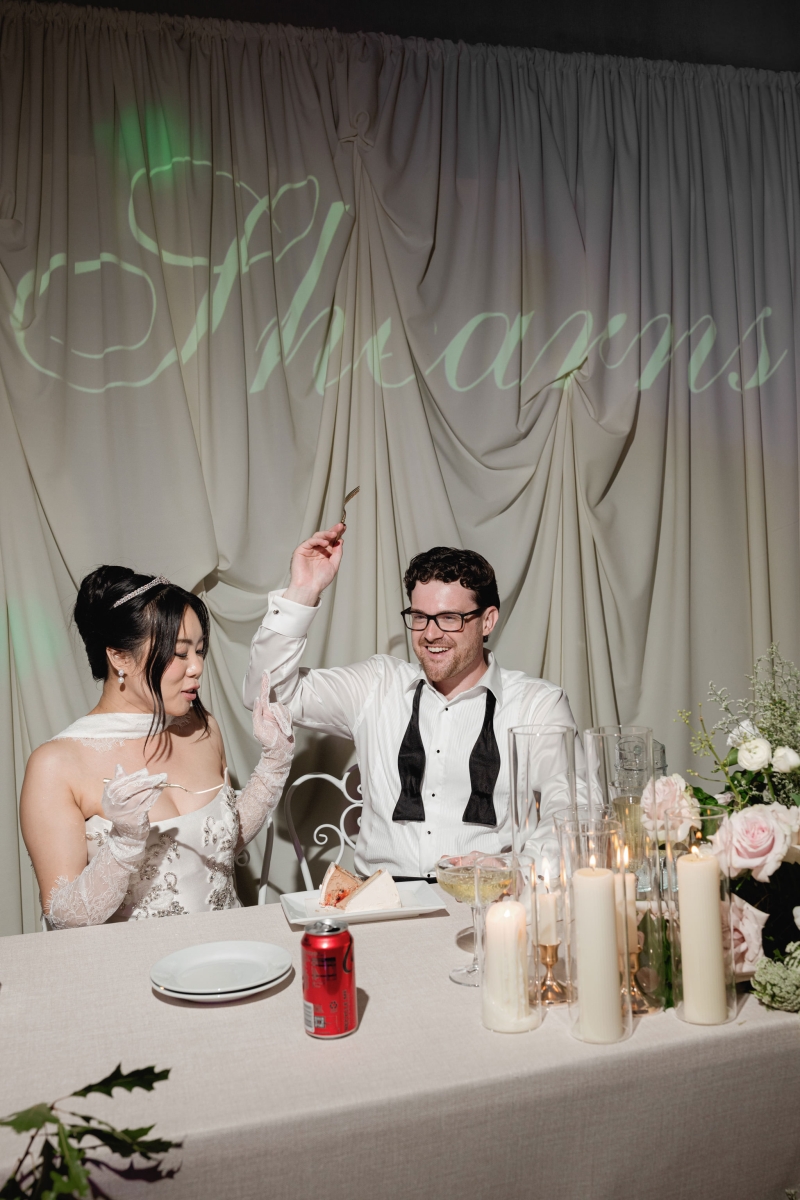
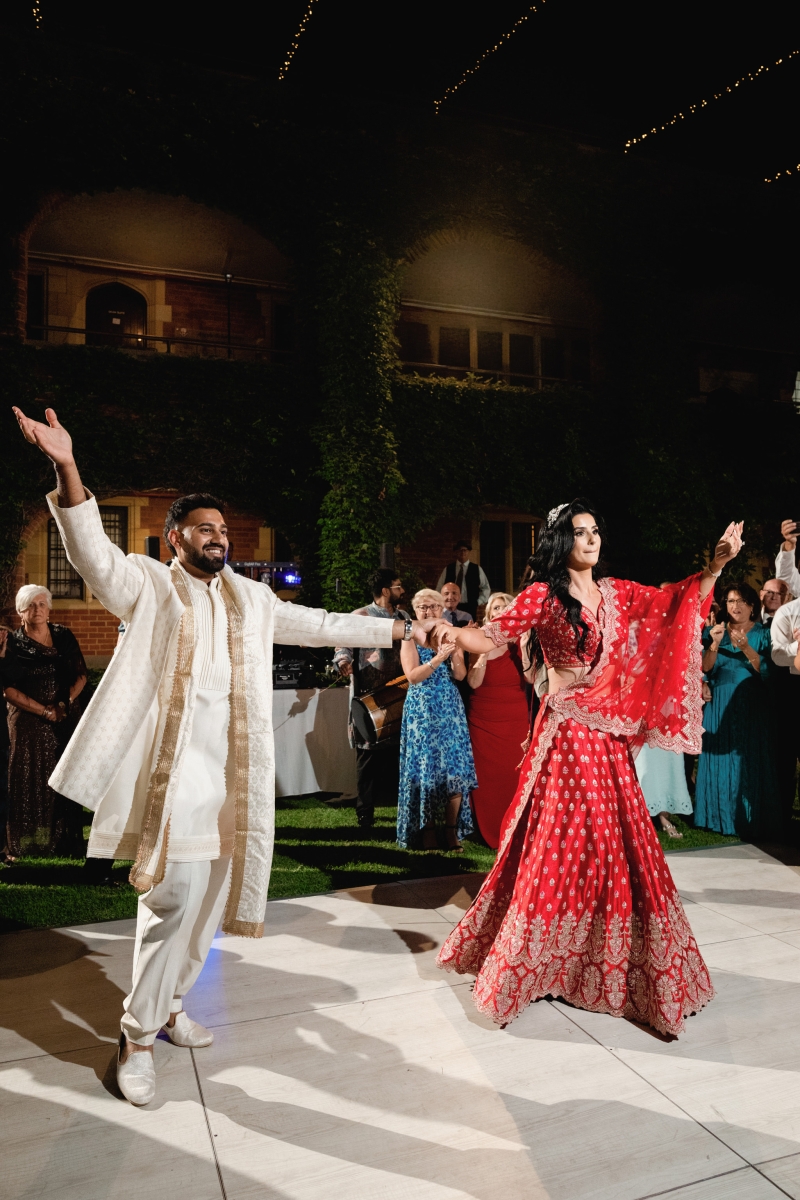
If there’s one thing I wish more couples asked, it’s “How does this space actually look in the evening?”. Ask your venue what lights up once it gets dark. People plan beautifully for daylight and forget that the room changes completely at night, and speeches are the classic example. They often happen after dark, and if nothing is lighting that table, it becomes a problem. Outdoors it matters even more, because there’s often no light at all.
We’re lucky that we can create our own light, whether that’s flash or the continuous lighting our studio brings, but not every photographer carries those tools. So, the question is simple. When it gets dark, what’s the atmosphere going to be? Is the candlelight on the table actually enough for your guests to see each other and talk?
Plan your timeline around the light
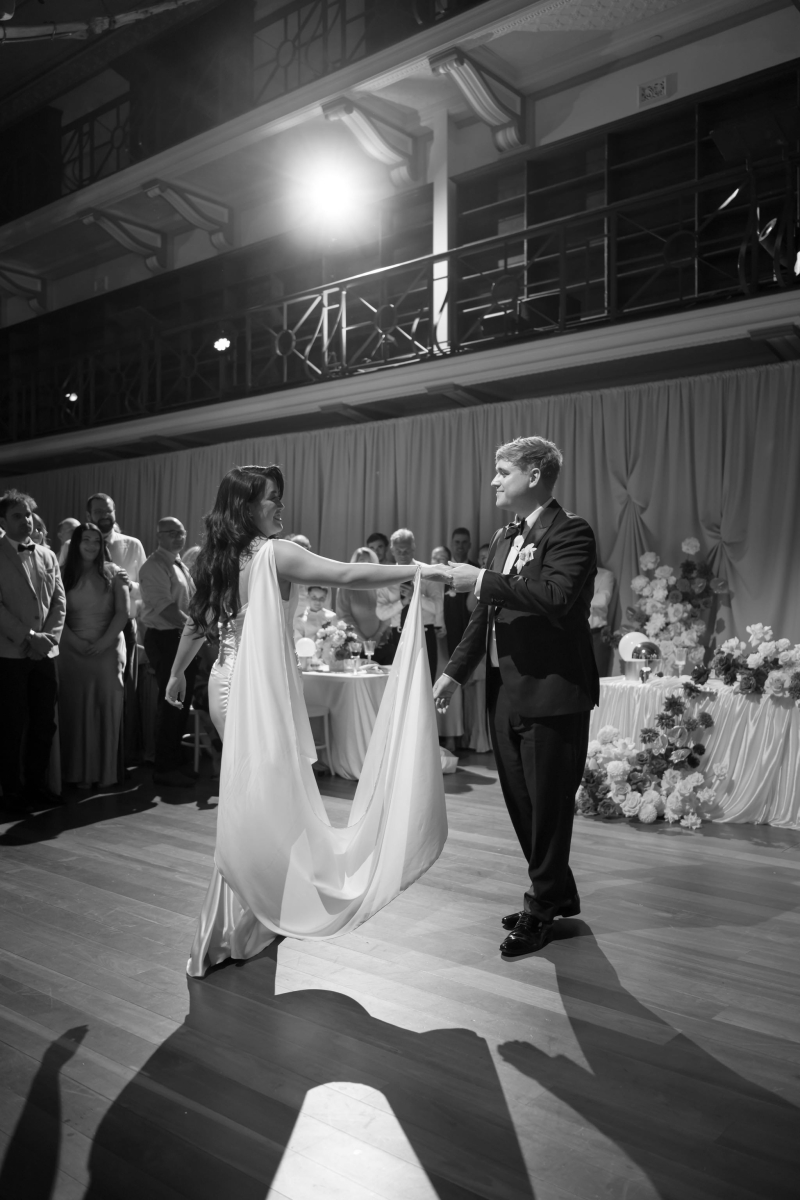
A few timeline choices make a big difference. A first dance tends to flow best right before you invite everyone onto the floor, because it carries that energy straight into the party. Space your speeches out evenly, and keep in mind they often hinge on catering and when courses come out. And if you want a sparkler exit, tell your photographer early. That’s coverage that runs late, right up to you leaving the venue, so it needs to be built into the timeline from the start. A sparkler entrance can be really fun too if you’d rather not stay until the very end.
The most common mistakes come back to the same thing, not accounting for light and not talking to your photographer. Natural light photographers can really struggle once it gets dark, so if yours shoots that way, have the conversation early. Moments also happen everywhere at night, and a single shooter working with lights on stands has to be selective and anticipate what’s coming, because we can’t be in two places at once.
A good example of this all coming together was Tess and Jack’s wedding. The disco balls did a lot of the work for us. They threw light around the room and created these little glitter reflections that added real depth to the frames. The dance floor had a bit of fog in the air too, so the lights broke into smaller particles bouncing through the space, which looked amazing. Inside, the available light was genuinely enough, and we didn’t need to add anything. The subtle disco ball outside was the exception. We lit that one ourselves and added our own colour to it. That’s the nice thing about a well-lit space. Sometimes the best move is to add very little.
Brief your photographer on how the night runs
The most common mistake of all is no one telling us what’s about to happen. After dark we don’t have the luxury of light everywhere, so we often need to plan the shot and set our lights before the moment lands. A quick heads up from you or your MC makes a huge difference.
If you want a gallery that feels warm and alive rather than a set of flat snapshots, brief your photographer on how the night runs, start to finish. When we know what’s coming, we can get ahead of it, plan our composition, and set our lights and colour so the whole thing feels alive.
With night photography, that’s really the whole game. The couples who walk us through their night are the ones who end up with images that feel the way the night actually felt.
About the Author: Norman Yap is a luxury wedding photographer based in Perth, Western Australia, with more than 15 years of experience capturing weddings across Australia. Known for his calm approach and editorial storytelling style, he creates timeless, emotive imagery that preserves not just how a wedding looks, but how it feels.



Join the conversation