
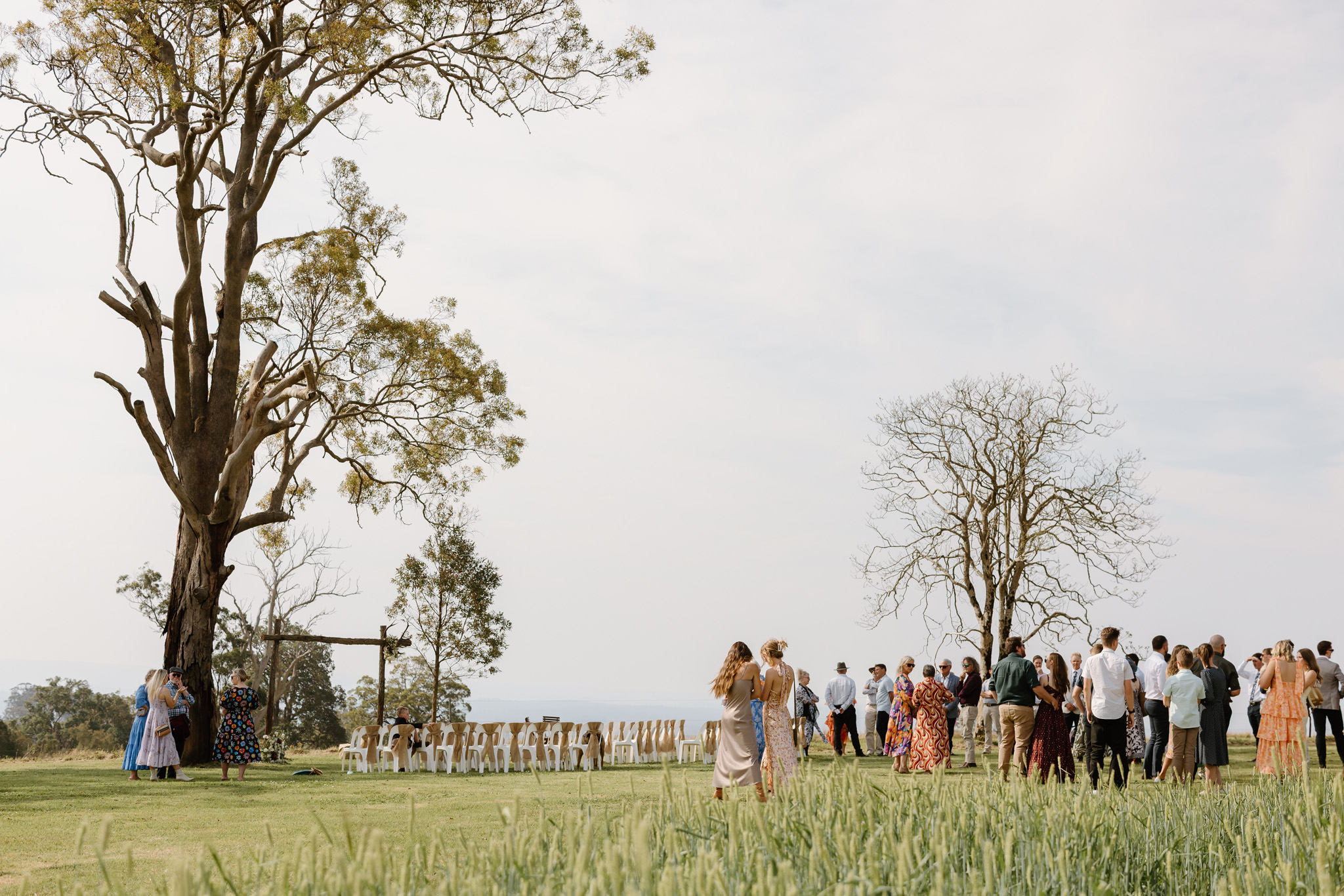
Wedding planning is often framed as one of the happiest seasons of your life. Wedding planning is often framed as one of the happiest seasons of your life. And for many couples, it is. But for those navigating depression, anxiety or burnout at the same time, it can feel like a lot to carry alongside all the joy. The After Dark Issue is about the parts of weddings that don’t always make the highlight reel. The weight that shows up alongside the celebration. The things couples carry into the room with them that nobody talks about.
Benjamin Watkins, Director and Principal Therapist at Watkins Therapy Group , shares his practical, honest guide to planning a wedding when your mental health has pulled up a chair too.
Planning a wedding is often spoken about like it should be one long highlight reel. Cake tastings, dress fittings, playlists, flowers, invitations, family excitement, the works.
And for some people, it really can feel like that.
But for others, especially when depression or anxiety is in the mix, wedding planning can feel less like a dream and more like another full-time job you didn’t apply for.
There can be pressure to feel excited all the time. Pressure to make every decision feel meaningful. Pressure to care deeply about napkin colours, seating charts and whether your second cousin’s partner needs a gluten-free option.
And while those things might matter, they can feel very hard to hold when your own mental health is already taking up most of the room.
So, if you are planning a wedding while also experiencing depression, anxiety, burnout or emotional overwhelm, there is nothing wrong with you. You are not ungrateful. You are not failing at being engaged. You are a human being trying to plan a major life event while carrying something heavy.
That deserves some gentleness.
Start by lowering the emotional expectation
One of the biggest pressures couples face is the idea that wedding planning should feel joyful all the time.
It won’t.
Even without depression, wedding planning can bring up stress, family tension, money worries, grief, old wounds, comparison and decision fatigue. Add depression or anxiety into the mix and even simple tasks can feel enormous.
A helpful starting point is giving yourself permission to not love every part of the process.
You can be excited to get married and still feel overwhelmed by the wedding. You can love your partner and still avoid the seating chart for three weeks. You can want a beautiful day and still need a nap after choosing table numbers.
Two things can be true at once.
Make the next step smaller than you think it needs to be
Depression often makes tasks feel bigger, heavier and harder to start. So instead of saying, “We need to organise the ceremony,” try breaking it down into something almost ridiculously small.
For example:
- Choose three celebrants to look at.
- Send one enquiry email.
- Pick one reading.
- Write down what we don’t want.
That’s it.
Small steps count. In fact, when you are overwhelmed, small steps are often the whole strategy.
Try not to wait until you feel motivated. Motivation is lovely when it arrives, but it is not always reliable. A tiny action, even an imperfect one, can create a little bit of movement.
Decide what actually matters to you
Not everything needs to matter equally.
Some couples care deeply about food. Some care about music. Some care about photography. Some just want everyone fed, seated and not causing drama. Valid.
Sit down with your partner and choose your top three priorities for the day. These might be things like:
- Feeling relaxed
- Having great photos
- Keeping the guest list small
- Good food
- A ceremony that feels personal
- Not blowing the budget
Once you know what matters most, it becomes easier to let go of the things that don’t.
This is especially important when mental health is stretched. Your energy is limited, so spend it where it actually counts.
Share the load before you hit the wall
A lot of people wait until they are completely overwhelmed before asking for help. By then, everything feels urgent, and everyone is stressed.
Instead, try sharing the load early.
That might mean asking your partner to take full ownership of certain tasks, not just “help” with them. It might mean giving a trusted friend one clear job. It might mean telling a family member, “We’d love your help, but we need you to follow our lead.”
Support works best when it is specific.
Instead of, “Can you help with the wedding?” try, “Can you please call these three accommodation options and check availability?”
People are usually better at helping when they know exactly what help looks like.
Watch the comparison trap
Wedding content can be beautiful, but it can also mess with your head.
If scrolling through weddings online leaves you feeling flat, inadequate or behind, it might be time to take a break from the inspiration machine.
You don’t need a wedding that looks like everyone else’s. You need a wedding that feels like yours.
The algorithm does not know your budget, your family dynamics, your mental health, your relationship or your energy levels. So maybe don’t let it have too much say in your day.
Build in recovery time
Weddings can be emotionally big. Beautiful, yes, but still big.
If you know your mental health can dip after intense events, plan for that. Keep the day after the wedding as low-pressure as possible. Avoid packing the week before with too many appointments, catch-ups or last-minute jobs. Give yourself space to come down after the build-up.
This does not mean expecting things to go badly. It means respecting your nervous system.
Think of it like packing comfy shoes. Not dramatic. Just sensible.

Talk to your partner honestly
Depression and anxiety can create distance, especially if one person is struggling and the other doesn’t fully understand what is happening.
Try to keep the conversation simple and honest.
“I’m excited to marry you, but I’m finding the planning really hard.”
“I’m not avoiding this because I don’t care. I’m overwhelmed.”
“I need us to make fewer decisions this week.”
These conversations can help your partner understand what is going on underneath the surface. They also remind both of you that the wedding is not the whole relationship. It is one day. Your marriage is the bigger thing.
Get support if things are feeling too heavy
If depression is making it hard to function, affecting your sleep, causing you to withdraw, or making you feel unsafe, it is important to reach out for support. That might be through a GP, counsellor, psychologist, trusted loved one or crisis support service.
You do not have to push through alone just because you are planning something happy.
Sometimes people feel guilty for struggling during a season that is “supposed” to be joyful. But mental health does not always follow the calendar. It does not pause because there is a wedding coming up.
Support is not a sign that you are doing badly. It is often what helps you keep going.

Keep coming back to the point
The point of the wedding is not to achieve happiness perfectly.
The point is to mark a commitment. To gather with people who matter. To create a day that reflects something real about the two of you.
If depression or anxiety is part of your story during this season, it does not ruin the wedding. It simply means the planning may need to be more gentle, more realistic and more supported.
Your wedding does not need to be flawless to be meaningful.
And you do not need to be feeling your absolute best to be deeply loved.
About the author: Benjamin Watkins is the Director and Principal Therapist at Watkins Therapy Group and UrSpace EAP. Benjamin is a counsellor who works with individuals, couples and workplaces across Australia, with a focus on practical, down-to-earth support for real-life relationships and wellbeing. Follow him on Instagram at @benjaminwatkinswtg.
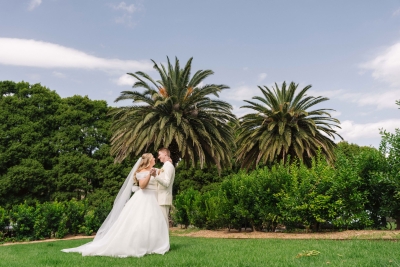
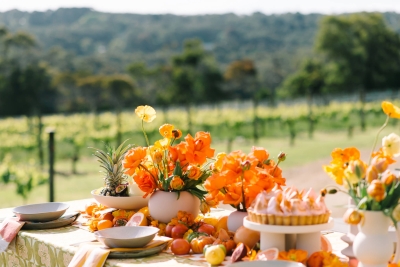
Photos used throughout this post were captured by About Time Co via Danica & Lindsay’s Soft Country Wedding in Rural Queensland




Join the conversation