

Money is one of the most loaded topics in a relationship, and one of the least talked about before a wedding. We asked Natalie Claire King, a relationship specialist and pre-marriage counsellor, to share why couples need to have this conversation before they say I do, and how to actually do it without it turning into a fight.
Planning a wedding comes with a lot of conversations. But there’s one conversation that tends to sit quietly in the background, often avoided or rushed through:
Money.
Not just how much you’re spending on the wedding but how you’re currently navigating finances independently and as a couple, and whether it will stay the same or look different once you’re married.
Because money, in relationships, is rarely just about dollars. It’s about security, freedom, power, generosity, identity — and sometimes, fear. And when couples don’t talk about it openly, those unspoken meanings have a way of showing up later. Usually in conflict.
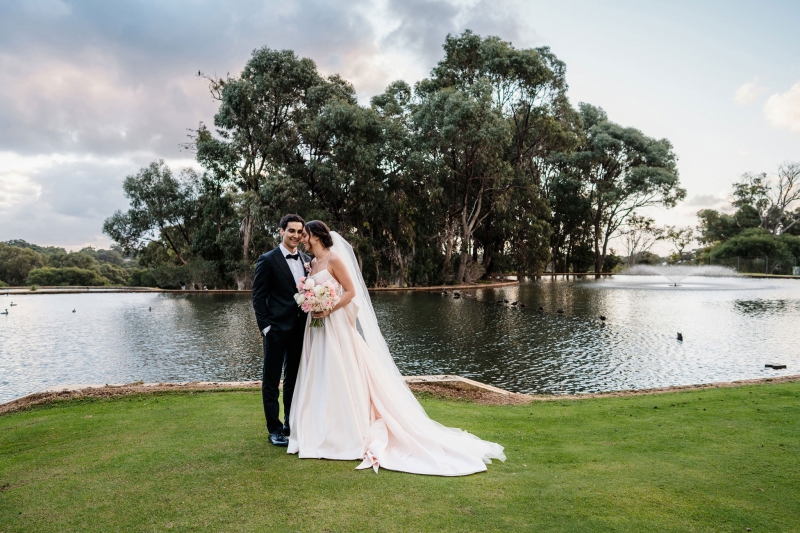
Photography: Merge Photography from Sophie & Robert’s Dreamy Wedding at Ambrose Estate
It’s Not About the Numbers — It’s About the Meaning
Two people can earn similar incomes, have manageable debt, and still find themselves in completely different emotional worlds when it comes to money.
One partner might feel calm spending, trusting there will always be enough, while the other might feel a quiet anxiety every time money leaves the account. One might see money as something to be enjoyed. The other as something to be protected. Neither is wrong. But without understanding each other and what money means to each of you, these differences can quickly turn into:
“You’re irresponsible.”
“You’re controlling.”
“You’re stingy.”
Underneath those statements are deeper questions:
- Am I safe with you?
- Can I trust you to take care of us?
- Will my needs matter here?
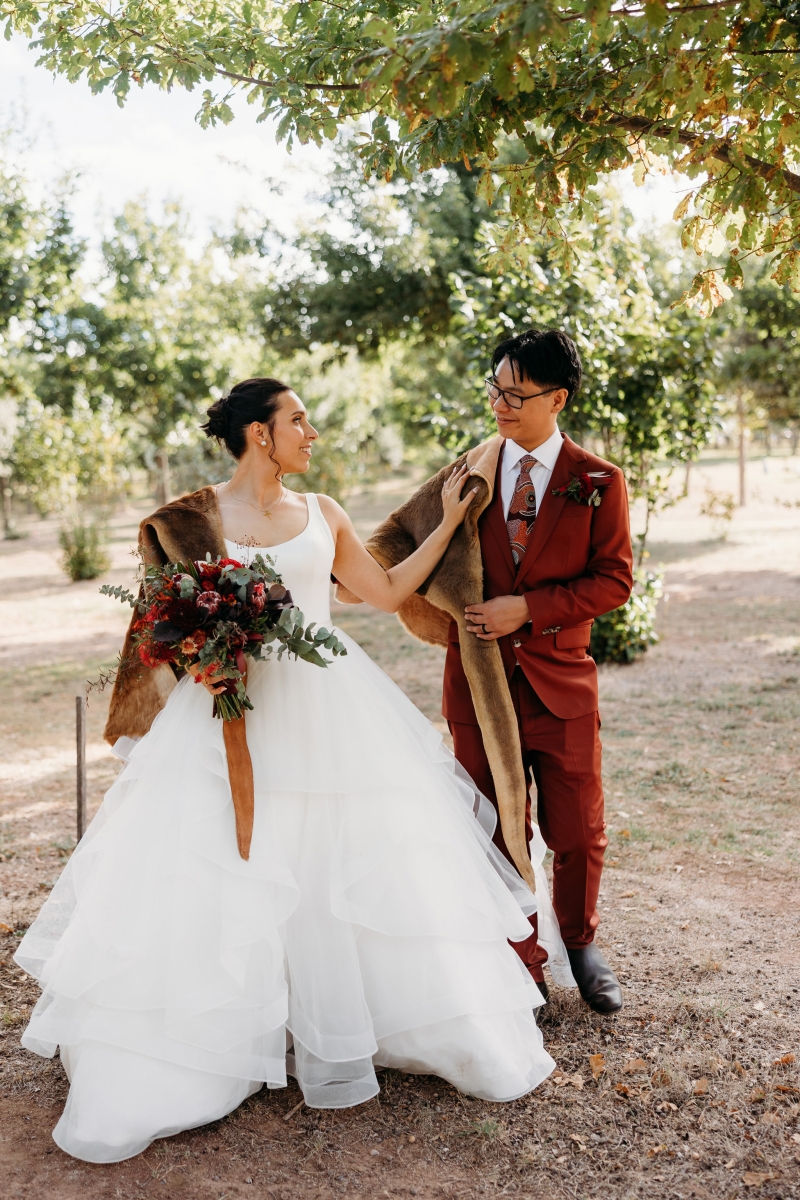
Photography: Acacia And Grace from Sophia & Jeremy’s Rustic Wedding at The Truffle Farm Canberra
The Conversations Couples Often Avoid
Before marriage, many couples assume they’re “on the same page” because nothing has gone wrong yet. But this is exactly the time to get curious.
Some of the key areas to explore together might be:
- Merging vs. separating finances
Will you combine everything, keep things separate, or create a hybrid approach?
More importantly, what would each option mean to you emotionally? For some, merging finances represents unity and partnership. For others, it can feel like a loss of independence or safety. - Unequal incomes and contributions
If one of you earns more, how will decisions be made? Will contributions be equal, proportional, or negotiated in another way? This isn’t just a logistical conversation, it’s one that can quietly touch on worth, fairness, and power in the relationship. - Spending styles: saver vs. spender
Most couples don’t share identical habits. One partner may find joy in experiences, spontaneity, and generosity. The other may feel grounded in planning, saving, and future security. The goal isn’t to “fix” each other, it’s to understand what each style is protecting or prioritising. - Family money patterns
We all carry a financial blueprint from how we grew up. Was money tight or abundant? Was it talked about openly, or avoided entirely? Did it cause tension between your parents or was it a source of ease? These early experiences shape our expectations in ways we often don’t realise, until we’re building a life with someone else.
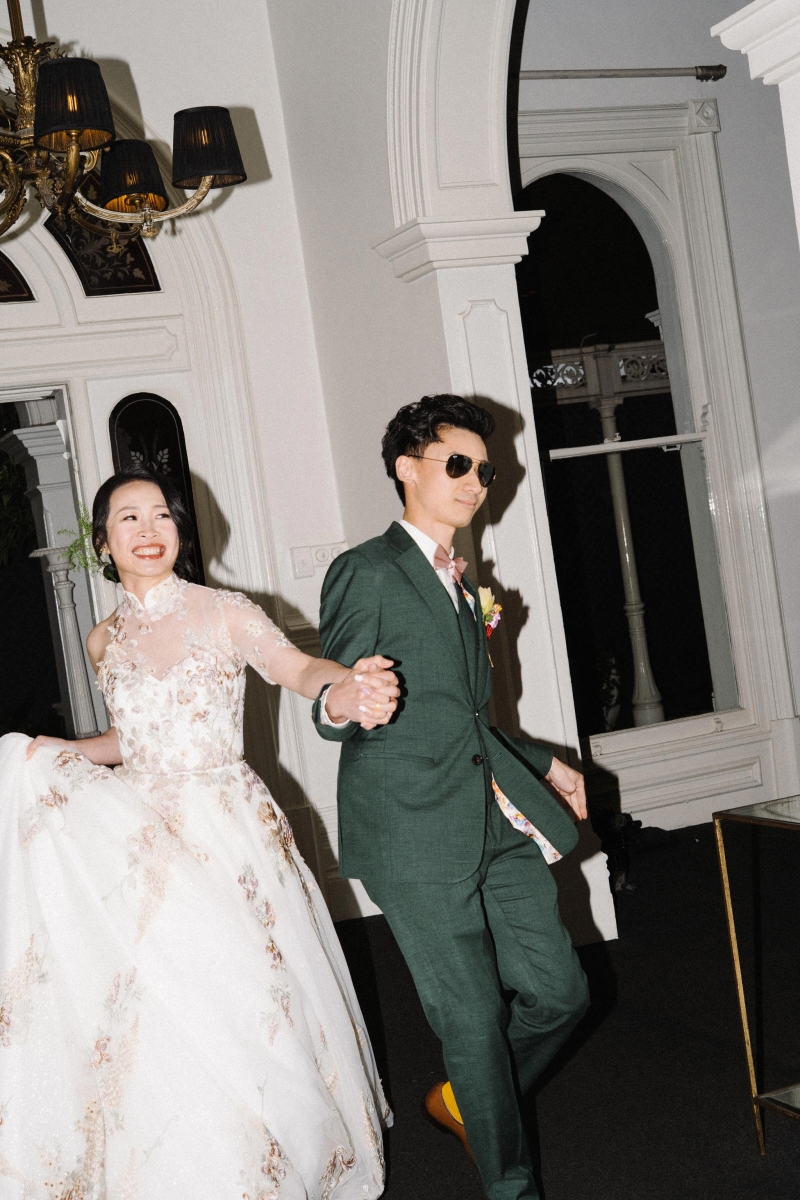
Photography: WhySoGeneric by Brandon from Jina & Aaron’s Elegant Chaos Wedding at Quat Quatta
Why These Conversations Can Feel So Hard
Money conversations can trigger vulnerability in unexpected ways.
They can bring up:
- fear of being judged
- shame about past decisions or debt
- anxiety about the future
- or even questions about control and autonomy
So instead of openness, couples can fall into protection:
- shutting down
- avoiding the topic
- becoming critical or defensive
What looks like a “money argument” is often two people trying to protect themselves from feeling exposed.
How to Talk About Money Without It Turning Into Conflict
If you take one thing into these conversations, let it be this:
You’re not trying to win. You’re trying to understand. Here are a few ways to approach it differently:
Get curious before you get practical
Instead of jumping straight to numbers, start with meaning.
Ask questions like:
- “What did money feel like growing up for you?”
- “What does feeling financially secure mean to you?”
- “What do you worry about when it comes to money?”
Name what’s underneath
If you notice tension, pause and look deeper.
Instead of:
“You’re so bad with money,”
Try:
“I think I feel scared that we won’t be okay long-term, and I don’t know how to say that without it coming out wrong.”
That’s the conversation that builds connection, when you lead with your vulnerability.
Normalise difference
You’re not meant to have identical money styles. Strong relationships aren’t built on sameness, they’re built on the ability to navigate differences with respect and care.
Focus on being a team
The question isn’t:
“Who’s right?”
It’s:
“How do we create something that works for both of us?”

Photography: Shosh Kruger Photography from Josh & Simon’s Charming Summer Wedding at Jetty Fremantle
This Is the Foundation of Your Future Together
Talking about money before marriage isn’t about having everything perfectly figured out. It’s about building the kind of relationship where these conversations can happen — openly, honestly, and without shame.
Because long after the wedding day, you’ll still be navigating decisions together: where to live, how to spend, what to save, what to prioritise. And the couples who do this well aren’t the ones who never disagree. They’re the ones who know how to turn towards each other when it matters.
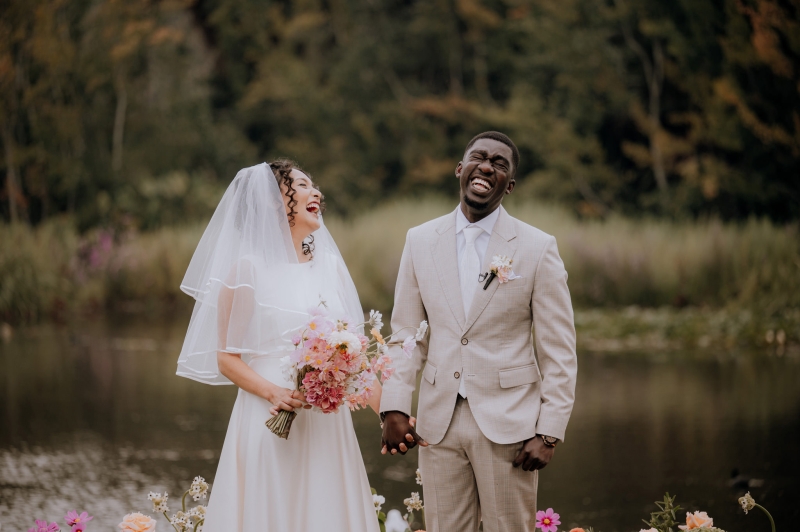
Photography: Fotogenica from Sneha & Mubiana’s Melbourne Botanic Gardens Wedding
The Kind of Love That Lasts
When you understand each other’s relationship with money, something shifts. It’s no longer about managing finances. It’s about caring for each other in the places that feel most vulnerable. And that’s what sets the financial pillar of your relationship up far beyond the wedding day.
About the author: Natalie Claire King is a couples therapist and Certified Emotionally Focused Therapy (EFT) practitioner and supervisor who specialises in helping couples build the kind of love that feels good to live in. Through her pre-marriage counselling, she supports engaged couples to create strong emotional foundations so they can navigate conflict with compassion, communicate with clarity, and stay deeply connected long after the wedding day. Based in Wodonga and working with couples across Australia, Natalie offers a grounded, non-judgemental space where both partners feel seen and supported. Find her at natalieclaireking.com.
*Cover photo: About Time Co from Britt & Michael’s Colourful Cocktail Wedding with The Lussh






Join the conversation