
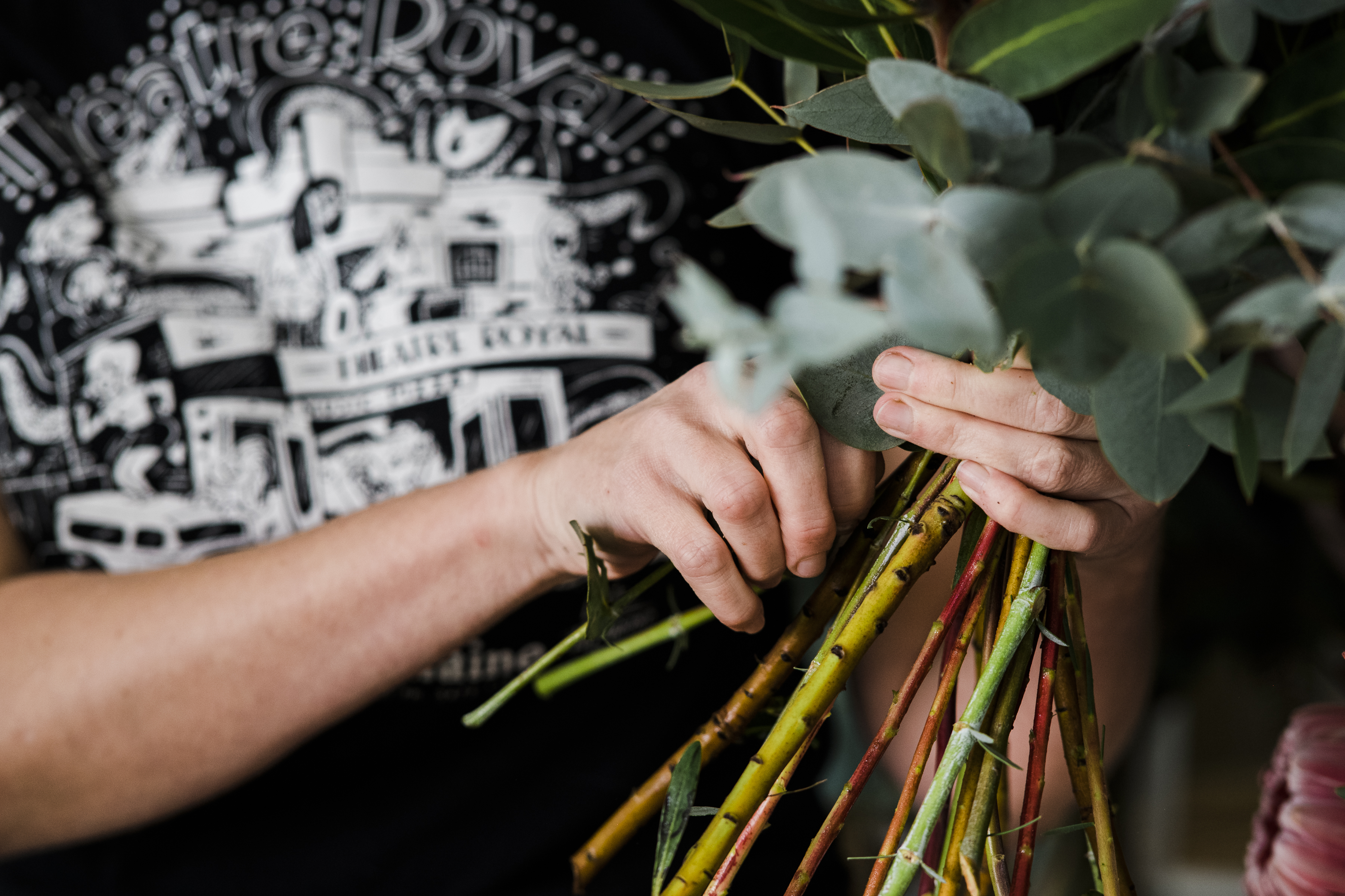
Ali from Handpicked Ethical Floristry has been doing things differently from the start. As part of our Mindful Issue, where we’re exploring the intentional, sustainable and values-led side of weddings, we asked Ali to share what ethical floristry actually looks like in practice. Based in Victoria, she works with local growers, avoids imported flowers, and has built her whole practice around minimising the impact her work has on the environment, animals, and people. Here, she shares what that actually looks like.e forist
Nature is at the centre of a florist’s work, but similar to the way that all of society lives a modern life, most florists have become detached from it. As a sustainable florist, I practice connection with the natural world. I consider how my work impacts the environment, the animals, and people, and constantly make decisions and adjustments to ensure that the negative impact I have is minimal at most, and aim for a positive impact wherever possible. I think of myself as an intermediary between my clients and the natural world, which encourages an honest, organic and true way to present each customer’s unique personality in their floral displays.
In practice, that means designing with seasonal florals, working with local growers, and avoiding imported flowers entirely. I preference Victorian grown flowers and those grown within 100km of my studio, and limit flowers grown interstate. I buy directly from several local growers I’ve built real relationships with, including Conerin Farm in Kyneton, Pure Maiden Farm in Maiden Gully, Florelie in Bungaree, Silver Fields in Invermay, 302 Flowers in Gisborne, and Dakota. What they do is hard work, stressful as the climate continues to change and crop failures increase, and genuinely inspiring. By having mutual respect, we support each other through the ups and downs of working with a natural product.
On the practical side, I bind bouquets and buttonholes with twine as a first preference, and naturally dyed natural fibre ribbon for those who want the ribbon look, over traditional floral ribbon, which contains plastics. I use water-soaked moss, reusable chicken wire and reusable vessels for mechanics, and never oasis or floral foam. I use reusable containers to transport bouquets, mostly donated glass jars, over the traditional single-use plastic container. Green waste is composted locally, and leftover flowers are donated to local public aged care facilities.
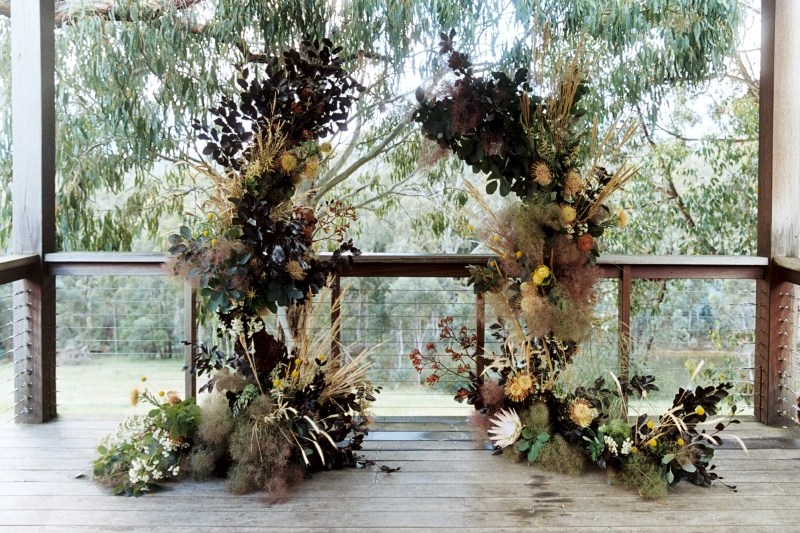
Photo by Analog Modern
There are also things I simply won’t use. Imported flowers are a hard no. The carbon emissions to move flowers are HUGE. The flowers are wrapped in heaps of plastic, paper and cardboard for transport, all of which we must dispose of here in Australia, and they’re heavily treated with chemicals both at the country of origin and when coming through our customs. Even with all of that, they still pose a biosecurity issue. There are also reported workers’ rights violations in different flower-growing areas around the world.
Dyed and chemically preserved florals are out, too. Runofff from the chemical treatments and dying processes goes into waterways and soil, and causes long-term devastation. They also look yuck. Nothing does colour better than nature; there is no reason to mess with that, and with the recreation, you lose the natural beauty and colour and end up with something that clearly looks artificial. And modern artificial flowers, despite what some people claim, are not sustainable. Micro and nanoplastics are created and spread when plastic is manufactured and used. They also look fake.
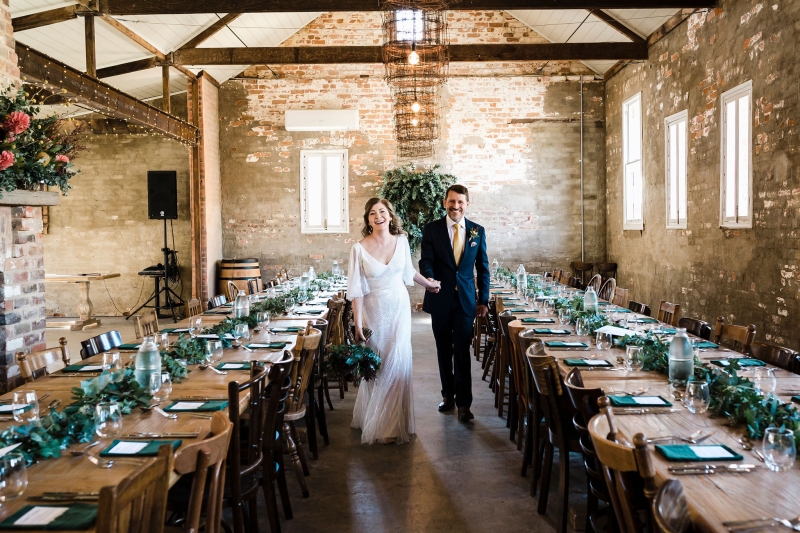
Photo by Penny Ryan Photography
The biggest misconception I come across is that ethical floristry means compromise. It’s a myth. The only real limitation I can think of is for clients wanting the Phalaenopsis orchid look. In Victoria, we don’t have a grower who breeds and raises orchids locally, so the only orchids available are imported from Asia. In those cases, I always offer an alternative that captures a similar look and feel, and the customers who have stayed with me with those adjustments have all been so happy and grateful to be guided toward using the beauty of the season.
Budget is another thing people worry about, but ethical floristry is actually a great option for couples watching their spending. The key is honesty and openness to compromise. Be clear with your florist about your budget, and listen when they explain where to adjust. An example: if you came to me with an inspo pic of a wedding bouquet with mostly white roses but a tight budget, I might recommend seasonal white, cream and lemon flowers with bountiful foliage instead. White flowers show bruising and blemishes more, so a florist needs to order more to replace the damaged ones. Nature also doesn’t do stark white that often, so florists often need to order glasshouse-grown flowers over the cheaper field-grown ones. Depending on the time of year, I might suggest dahlia, scabiosa and carnations as a beautiful and affordable alternative. My comment about foliage-heavy displays is not always cheaper, as foliage can be expensive for us to buy. Listen to your florist on this.
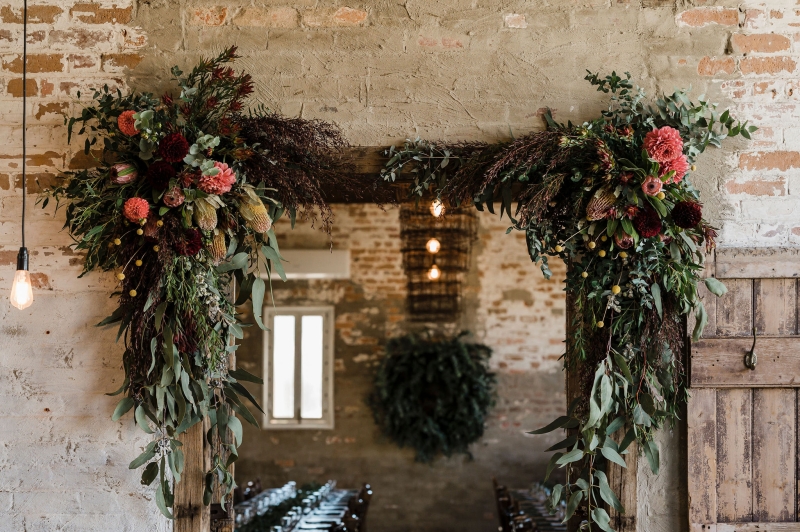
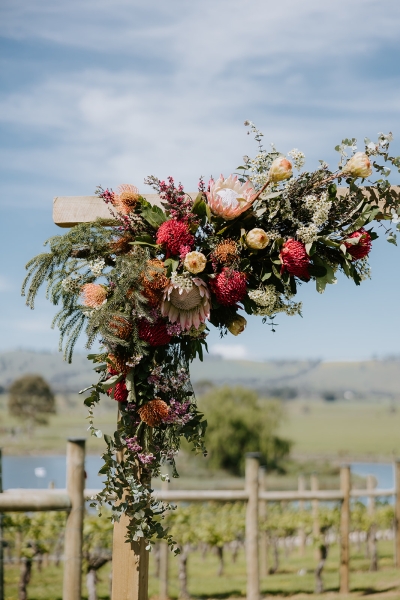
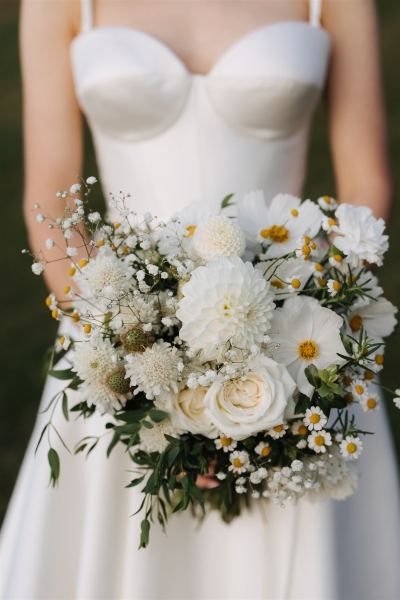
Photo 1 & 2 by Penny Ryan Photography Photo 3 by Smith + Archer
If you want to know whether a florist is genuinely ethical or just using the language, lead with it when you make your enquiry. Decide first how ethical you want your vendors to be. Do you want their ethos to be central to all their work, or are you just happy if they practice ethically for your individual wedding? Then tell the florist. If they’re not clear about their ethos, don’t know where their flowers are grown, or say they use floral foam, tell them you’re choosing another florist based on that. For me personally, this is a good way to help the florist industry see that practising sustainability is a desirable and sellable product, not to encourage greenwashing, but to move toward real change. There are plenty of florists who practice some level of sustainable floristry, so I’m sure you’ll find a good fit.
And if you take nothing else from this, use locally grown seasonal flowers. By working with the seasons, it means that every year, around the time of your wedding, when you see those flowers bloom, you’ll get that beautiful feeling of nostalgia. It is so powerful and so beautiful to be reminded by nature of a wonderful memory. And imagine every year on your anniversary, gifting your spouse the flowers that featured in your wedding. That beautiful feeling of giving something meaningful, that brings joy, and reminds us of the love we share with another. Using seasonal flowers gives us this.
About the author: Ali is the founder of Handpicked Ethical Floristry, a Victorian-based sustainable florist working with local growers to create beautiful, low-impact wedding flowers.
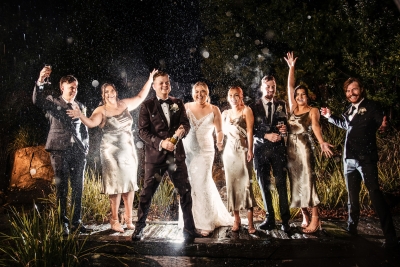
Header photo by Penny Ryan Photography


Join the conversation