
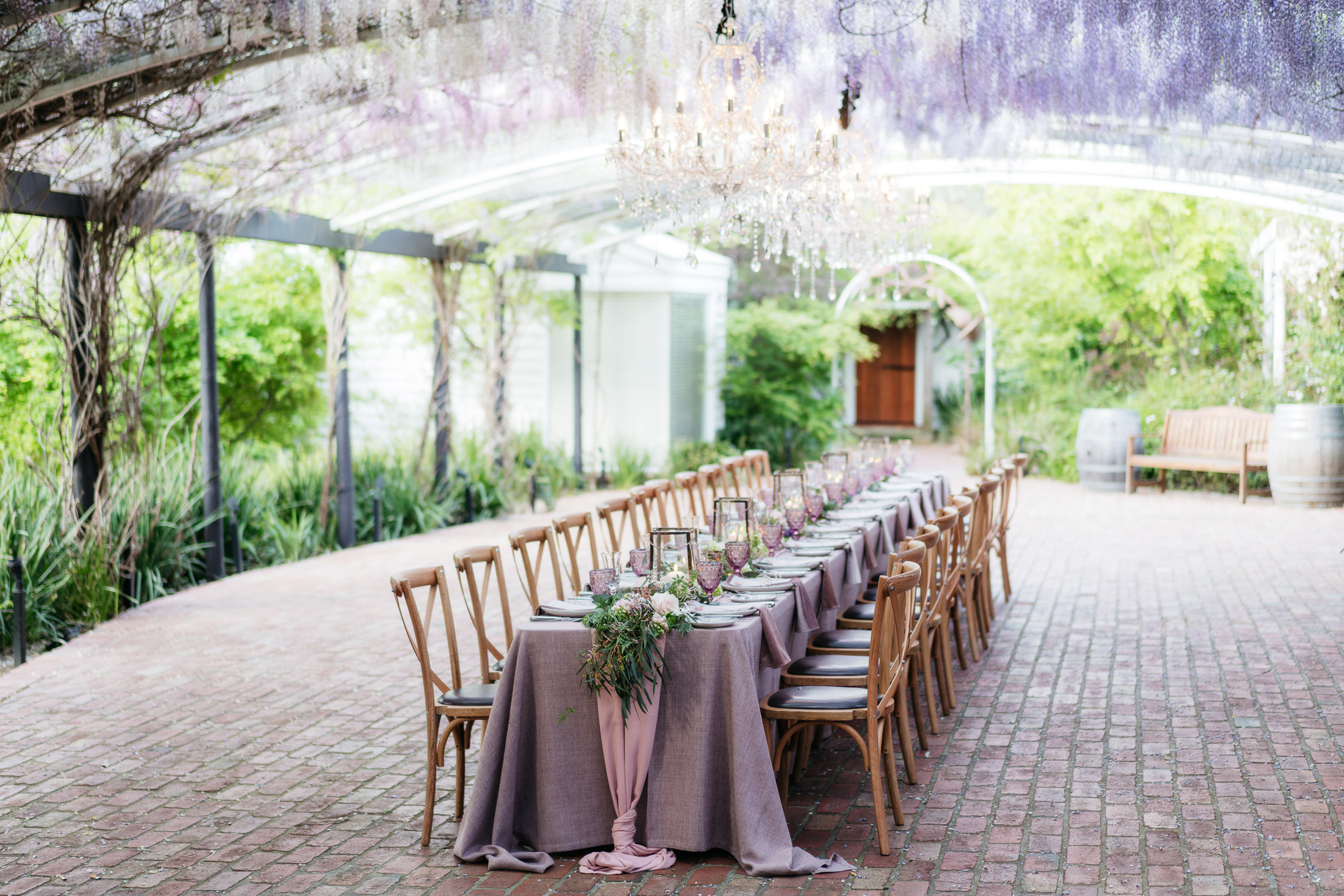
Your wedding venue sets the stage for just about everything. It shapes how your day looks, feels, how your guests experience your wedding – even what you’ll wear! It is also, for most couples, the single biggest line item in the whole wedding budget.
Wrapping your head around what venue costs might be early on your wedding planning is one of the most important things you can do. Not because you need a fixed number before you start looking, but because understanding how venue pricing works, what is included, what is not, puts you in a stronger position when you walk into your first venue tour.
As part of our ongoing Australian Wedding Budget Series, we spoke to venue professionals from across Australia, ranging from boutique estate properties to inner-city hospitality venues, to help couples understand what actually drives wedding venue costs and how to make smart decisions at every stage of the process.
A huge thank you to our contributors: Pip Metcalfe from Tindarra Resort, the team at Nudo Events, Aparna Jones from Wattle Park Chalet, Wesley Jones and Meg Free from Post Office Hotel, Jana Teivonen from The Marion, Nadene Clarke from Gledswood Homestead & Winery, and Karen Bentley from Potters Receptions.
Where to Start When Setting Your Venue Budget
We bang this drum every single time we publish a budget guide, but we will say it again. Before you look at a single venue, get clear on your priorities. As one of our contributors puts it: “Create a priority list and rank it. Write down the elements that matter most to you and number them in order, with one being your highest priority.” That list will look different for every couple, but having it before you start your search means you can make better decisions and comparisons when you are standing in a beautiful space that costs more than you planned for.
Several contributors suggest thinking across three key areas before you start comparing venues: food, beverage and styling. How you feel about each of those will shape the kind of venue that makes sense for you, and how much of your budget it will absorb.
On food, think about the style of dining experience you want. A refined, sit-down three-course dinner and a relaxed grazing table are both valid choices, but they will lead you to very different venues with very different price points.
On beverages, think about quantity, availability, and quality. How much do you want your guests to have access to? What range of drinks matters to you? And where do you sit on the spectrum from house wine to a carefully curated cellar selection? The answers will shape both your venue shortlist and your total spend.
On styling, consider how much creative work the venue itself does. “Some venues offer a wedding space often described as a blank canvas that enables couples immense creative freedom,” one contributor explains. “As you can predict, this can lead to higher costs to cover florals, linens, candles and printing. Other venues have put a lot of effort into decorating the space themselves, requiring only minimal effort to elevate it from event to wedding.” Knowing which you prefer will affect both your venue cost and your overall styling budget.
One venue professional offers a direct take: “You should be looking for a venue based on your desires, not what you think should fit into the budget. Once you pick your dream venue, everything else will fall into place.” That is not reckless advice. It is a reminder that locking in your venue early is often the move that gives the rest of your planning structure.
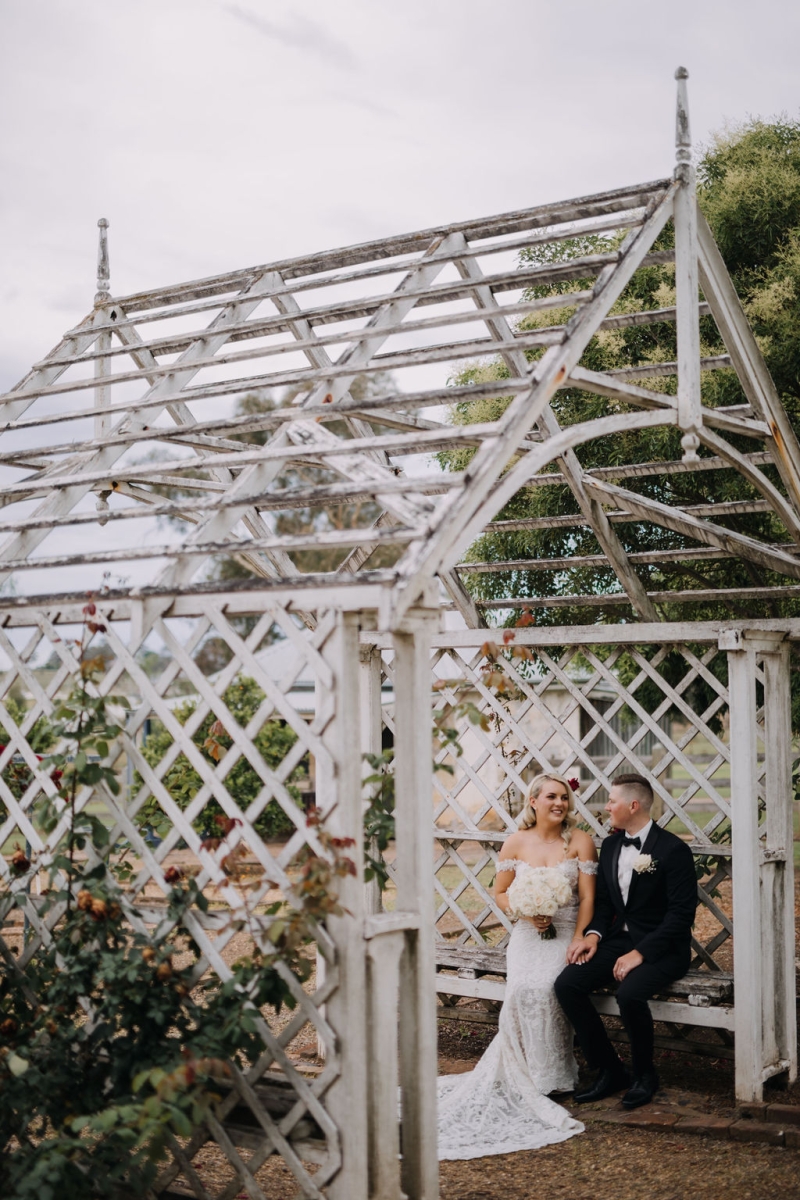
Venue: Gledswood Homestead + Winery, Photography: Zee & Cee Photography
How Much of Your Budget Should You Allocate to the Venue?
The honest answer is: it depends on what your venue includes. If your venue covers catering, beverages, furniture, staffing, and coordination, you are looking at a very different proportion than if you are hiring a blank space and bringing everything in separately.
For a fully all-inclusive venue, most of our contributors put the figure at around 40 to 60 percent of your total wedding budget. “Industry standard is about 60 percent of your budget,” one venue said, “if the venue is fully inclusive including food and beverage, furnishings, staffing, set-up and cleaning.” Others put it at 40 to 50 percent, with the variation reflecting how much is bundled into the package. One venue worked it out in concrete terms: factoring in their minimum spend alongside average costs for a photographer, celebrant, DJ, hair and makeup, cake, dress, rings, and car hire, the venue alone accounted for roughly half the total budget.
If the venue is a blank hire only, expect to allocate closer to 25 percent for the hire fee itself, with catering, beverages, and styling built separately around it.
What Does a Wedding Venue Actually Cost in Australia?
Venue pricing in Australia varies enormously, and for good reason. The type of venue, what it includes, where it is located, and when you want to hold your wedding all affect the final number.
It is also worth noting upfront that pricing differs significantly across the country. What you pay in Melbourne or Sydney will look different to what you pay in Hobart, Perth, or a regional town. We reached out to venues across multiple states, but the responses we received skew toward Victoria, so treat these figures as a useful reference point rather than a national picture.
For a wedding of around 100 guests (in the last year), our contributors gave the following ranges. These are real figures from working venues, not industry averages, so use them as a guide rather than a rule.
- A boutique country estate or winery property: $10,000 to $30,000 depending on inclusions, season, and whether catering is included.
- An all-inclusive reception centre: $15,000 to $30,000 covering catering, beverages, furniture, staffing, and coordination.
- An urban venue in a major CBD location: $15,000 to $31,500 or more, with pricing reflecting the cost of the location, the style of the space, and what is included in the package.
- A heritage or historic property: generally at the higher end of the range, reflecting both the premium of the setting and the complexity of operating events in older buildings.
Venue pricing varies more than most couples expect, and the gap is rarely about quality. “We have worked at venues where for 100 guests you can cover the minimum spend with $130 per person on food and beverage, and we have worked at venues where you need to spend at least $250 per person” tells one vendor. The difference comes down to what each venue has built, who it is built for, and what is included in the price. Understanding that before you enquire tells you a lot about whether a venue is the right fit, not just whether it is in range.
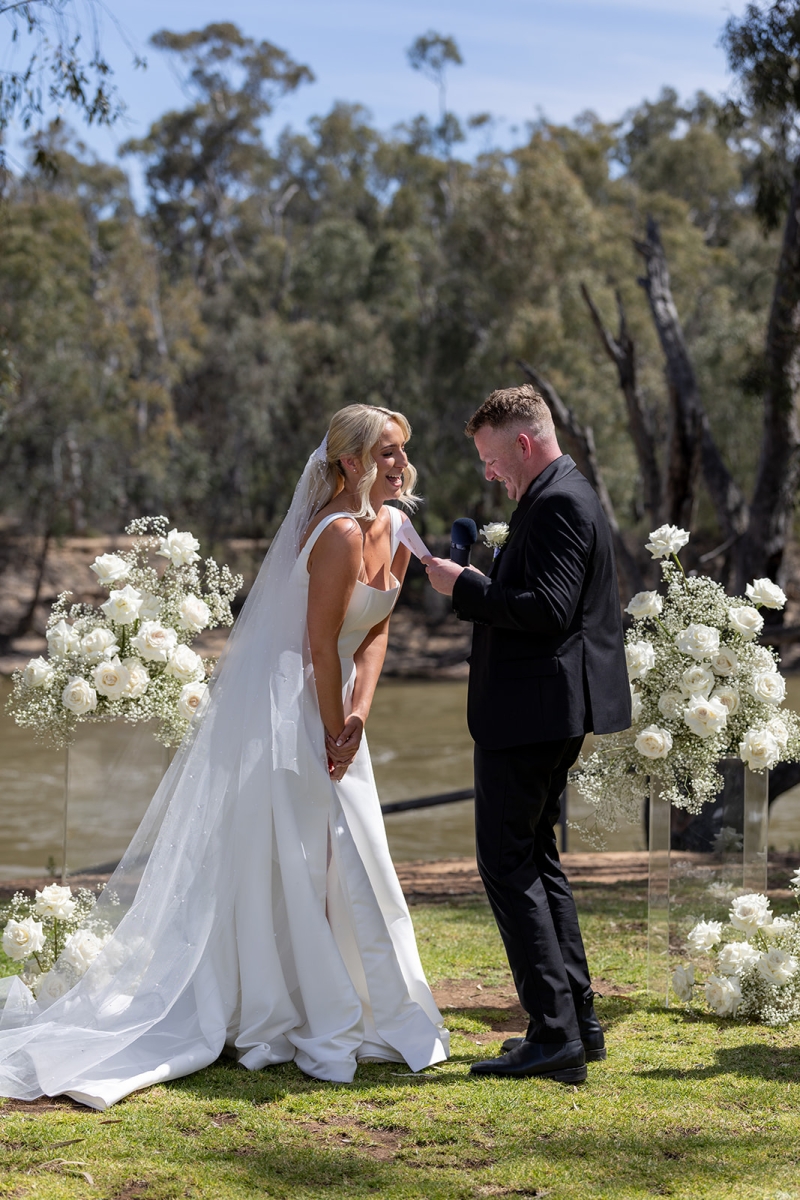
Venue: Tindarra Resort, Photographer: Love By Shae
How To Compare Venue Quotes
Venue quotes can look very similar on the surface and represent completely different products. A $20,000 quote that includes coordination, linen, ceremony hire, and AV is not the same as a $20,000 quote that does not. Comparing totals without comparing inclusions will lead you to the wrong decision.
When you put two quotes side by side, compare line by line or item by item rather than total against total. What does each quote actually cover? What would you need to source separately? What is the minimum spend, and what does it include? Always read the fine print at the bottom of a venue’s brochure and seek clarification on anything that needs further explanation. The headline number is rarely the whole story. If something is not clearly written down as being included; assume it’s not.
What Is Included in a Typical Venue Fee?
Inclusions vary significantly between venues, which is why comparing quotes on price alone rarely tells you the full story. A cheaper venue hire fee can quickly become a more expensive day once you factor in everything you need to bring in separately.
Standard inclusions at a well-equipped venue typically cover exclusive use of the space for a set period, tables and chairs, crockery, cutlery, glassware and linen, staffing for the event, setup and pack-down support, access to onsite coordination, and basic audio-visual equipment such as a PA system and microphone. Guest parking, a wedding suite, and access to ceremony spaces on the property are also common at full-service venues.
One of our contributing venues shared a detailed sense of what a comprehensive package looks like: exclusive use of a day room from 10am, three ceremony options each with seating and a signing table, crockery and glassware, fairy lights after dark, a wireless microphone for speeches, courtyard furniture, background music during pre-dinner drinks, a dance floor and stage, and access to a coordination team throughout the planning process. That is a significant amount of value that couples sometimes do not realise is already built in.
One venue coordinator makes an important point: a good venue should include a dedicated wedding coordinator, access to the venue’s recommended supplier network, and staff to actually set the tables, not just provide the items. “The venue’s resources should be available to you.”
Always ask for a full written inclusions list before signing anything. What sounds comprehensive in a conversation can look quite different in the detail.
Payment Schedules: What to Expect
Wedding venues generally require a deposit to hold your date, followed by progress payments and a final balance close to the wedding. The structure varies between venues, but here is a sense of the range our contributors described.
A common structure is a 10 to 30 percent deposit at booking, one or more instalments during the planning period aligned with key milestones, and a final balance due two to four weeks before the wedding. Some venues structure payments as monthly instalments across the planning period, which helps couples avoid a large lump sum in the final month. Others require a 50 percent balance at six months out, with the remainder due one month prior.
One critical thing to read carefully: cancellation and postponement terms. “If you decide to postpone or cancel within a six-month window, you may be expected to pay most of, if not entirely, the minimum spend.” Read those terms before you sign, not after.
All-Inclusive Packages vs. À La Carte: What Is the Difference?
Most venues will offer some version of a packaged experience, and some offer bespoke or à la carte options alongside it. Understanding the trade-off matters when you are trying to get the best value.
The all-inclusive approach eliminates a lot of decision fatigue. “Couples will be asked, do you want package A or package B, both of which cover all the food you could ask for, along with a set beverage package,” one contributor explains. “The major disadvantage is a lack of flexibility to accommodate different budgets. Very rarely can one substitute or eliminate an element of a package to reduce the overall price per head.”
À la carte requires more thought but gives you the ability to build something that better reflects your specific priorities. One venue makes the case for all-inclusive directly: “Offering à la carte options can cause costs to skyrocket. An all-inclusive package ensures quality and value while keeping the budget in check.” Another takes a different view, offering both: “Packaged solutions make planning simpler and budgeting more predictable. À la carte gives couples the flexibility to select individual elements based on their unique vision.”
The takeaway: if you know what you want and value simplicity, a well-designed package often represents genuinely good value. If you have specific preferences around food, wine, or styling that do not fit neatly into a standard package, ask whether elements can be substituted or removed before assuming you need to go fully à la carte.
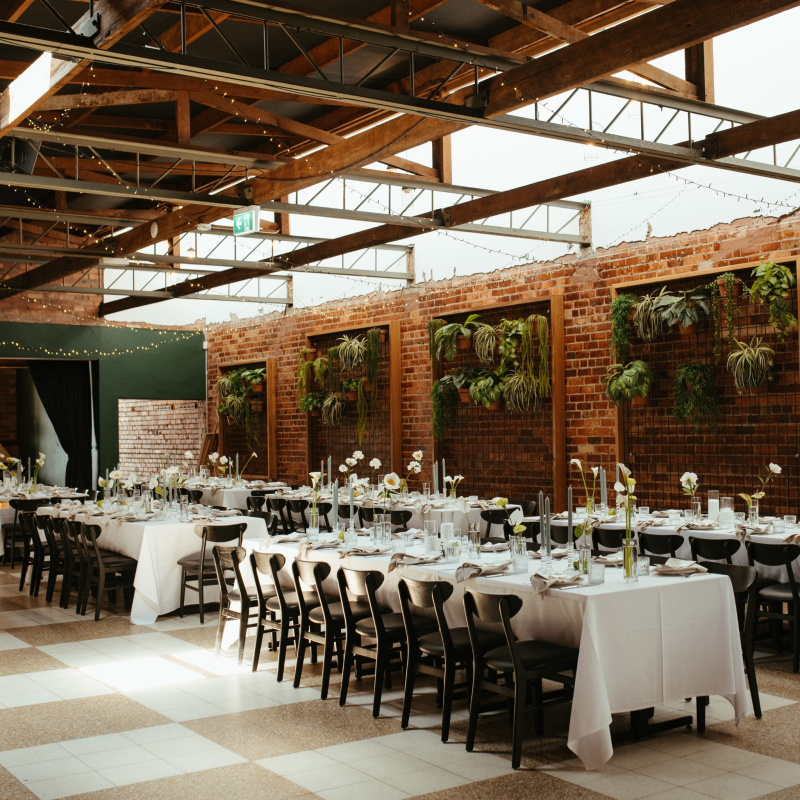
Venue: Post Office Hotel, Photographer: Rachel May Photography
What Affects the Price You Pay for a Wedding Venue?
Several factors will push your venue quote up or down. Understanding them gives you more control over the final number.
Date and season
This is the single biggest lever most couples have. Saturdays in spring and summer are in peak demand, and almost every venue prices accordingly. “Everyone wants to get married in spring or summer on a Saturday evening, therefore pricing is higher. If you look at less popular dates like mid-week dates or cooler seasons, you will often find the prices decrease and there is more flexibility.”
Saturday premiums also reflect liquor licensing. Venues can often trade later on weekends, which means higher labour costs that are passed on in the minimum spend. It is also worth knowing that some venues hold consistent pricing year-round, giving couples full flexibility to choose a date based on personal preference rather than cost. Not every venue takes that approach, but it is always worth asking.
One more practical consideration: spring and summer weddings at popular venues often need to be booked 12 to 18 months in advance. If you have a specific date or season in mind, start your venue search earlier than you think you need to.
Guest numbers
Most venues price on a per-head basis for food and beverage, which means your guest count directly affects your total spend. There is also a styling consideration couples sometimes miss: “The more guests you have, the more tables you have to style. Ensuring you have realistic expectations on investment here if your guest numbers are on the higher side.” Keep in mind, some venues will have a minimum guest count.
Venue type and location
Historic properties, boutique estate venues, and sought-after inner-city locations will generally command a premium. Location also affects logistics for your other vendors, which can have a flow-on effect to your overall costs.
Seasonal menus and produce costs
This one catches couples off guard. Venues change their menus across the seasons, and if you do a menu tasting in winter expecting to confirm selections for a summer wedding, the produce may cost more by the time your wedding comes around. If a specific dish matters to you, ask about potential price variations between tasting and wedding day.
Public holidays and Sundays
Most venues charge surcharges for public holidays and sometimes Sundays to cover additional staffing costs. Always check the terms for any date that falls on or near a long weekend.
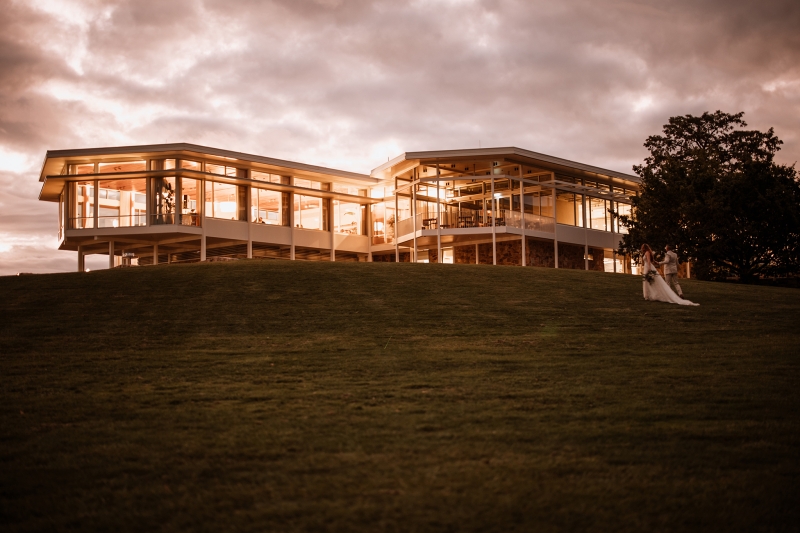
Venue: The Marion, Photographer: Leanne Doyle Photography
In-House Catering vs External Caterers
One of the biggest questions couples face is whether to use in-house catering or bring in an external caterer. Most venues have a clear preference, and it is worth understanding why.
One contributor offers a useful reality check: “Often couples believe external catering will save them on spend, but more often than not, it can result in essentially the same cost as booking food in-house, and entails more hassle. Once you factor in bump-in and bump-out details, clean-up costs, potential costs for providing external staff, and the time required to collect and return crockery the next day when you are a little dusty from the evening, the savings can evaporate quickly.”
Another explains the trade-off : in-house catering “is often included in the venue price and may offer bundled savings, streamlined service, and easier coordination, while external caterers can provide more menu flexibility but usually incur additional fees such as vendor delivery and setup charges, corkage, insurance, and typically require a higher level of coordination.”
If external catering is important to you, ask specifically what additional fees apply and whether those are listed clearly in the venue’s terms. Do not assume a venue that allows external caterers has factored all of that into the hire fee.
It is also worth knowing that the style of meal service you choose has a real impact on your catering costs, independent of who is doing the cooking. A cocktail-style reception with roving food is a different price point to a seated alternate drop, which is again different to shared plates or a buffet. On top of the base service style, add-ons like additional courses, premium ingredients, specialty items such as oysters or a cheese course, and dessert stations all push the number up. Knowing your preferred style of dining before you start comparing venues will help you read quotes more accurately and avoid being surprised when upgrades start adding up.
How Beverage Packages Work
Beverage packages are one area where couples often have real choices, and understanding how they are structured helps you spend wisely.
Most venues offer tiered packages ranging from a standard beer and wine offering up to a premium selection that might include spirits, cocktails, and higher-end wines. “Most often the main difference is the premium of the beverages you get to select from. If beverages are not a high priority, stick to the lower packages and spend the additional money elsewhere.”
Before defaulting to the most comprehensive package, it is worth asking yourselves honestly: are your guests actually going to drink spirits all night? Would a good wine and beer selection serve just as well? Beverage packages generally represent good value, but the right tier depends on your specific crowd.
Always clarify whether a beverage package is a flat per-head cost, a consumption model, or a tab arrangement, as each has different budget implications. And watch for this: some venues enforce a compulsory beverage package that covers the entire evening. “Don’t be afraid to ask venues what their policy is on a beverage package versus a simple bar tab.” If you have guests who do not drink much, a bar tab might serve you better than a blanket per-head package.
Some venues also allow you to supply your own alcohol, though this may incur corkage fees or require staff with their own responsible service of alcohol certification.
Additional Costs, Add-Ons, and Overlooked Expenses For Wedding Venues
This is where couples most commonly get caught out. Some of these costs are genuinely easy to miss. Others are optional extras that are easy to say yes to in the moment without realising how quickly they add up.
“Planning a wedding is crazy,” one contributor puts it plainly. “You will be asked: do you want to upgrade your napkins to a different colour and how do you want it folded? How many chairs do you want for your ceremony? How many dozen oysters do you think you and your guests can eat? All these factors can impact and increase your venue budget.” Always read the fine print at the bottom of a venue’s brochure and ask for clarification in writing on anything that is not clear. Some of the most important cost details live there, not in the headline package description.
A few of these deserve a proper explanation because they can genuinely be confusing.
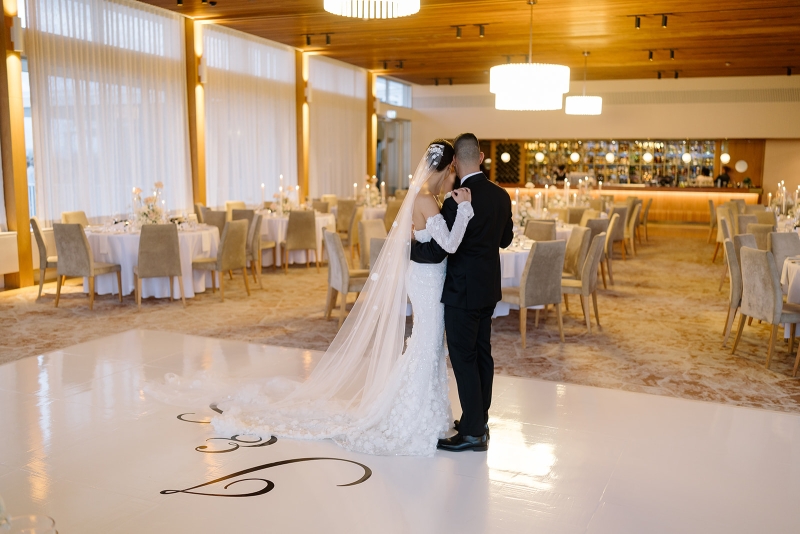
Venue: The Marion, Photographer: Keepsake Photo
Ceremony hire
Many venues charge separately for use of their ceremony space, even if the reception is held on the same property. “Most often, the ceremony hire fee is a separate charge. Always confirm with the venue.”
Setup time
Setup time is a separate charge from cleaning at some venues. Where cleaning covers the pack-down after your event, setup time refers to staffing the venue in the hours before your wedding begins. If you or your vendors need earlier access than the standard advertised time, ask specifically whether that attracts an additional charge. It is not universal, but it is common enough to ask.
Extension of hours and liquor licensing
Most venue packages include a set number of hours. Going beyond that costs extra, and if you want the bar to stay open later, extending the venue’s liquor licence may carry an additional fee on top of the staffing costs. Factor both in before you set your reception timeline and print your invitations.
Vendor meals
This is one of the most consistently overlooked costs. Your photographer, videographer and other vendors working a full day need to eat. “It is important to feed your vendors and keep them happy.” Most venues offer a crew meal option at a reduced rate. Always ask, and budget for it.
Cake cutting and plating
Some venues charge a cake-cutting or plating fee. It takes time for venue staff to cut and plate a wedding cake for a full room, and that labour is a real cost. Couples frequently assume it is included when it is not.

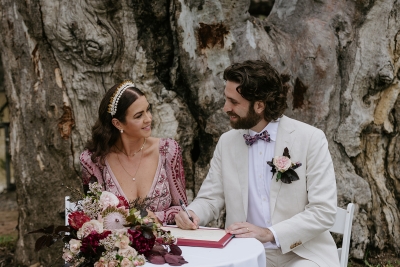
Venue: Post Office Hotel, Photographer: Nikki McCrone Photography
GST
Always ask whether quoted prices include GST (they should, but you don’t want to be caught out). It is a detail that can shift your perceived total by ten percent, and it is surprisingly easy to miss in a brochure.
Other costs worth asking your venue about:
- Staffing, cleaning, linen dry-cleaning, furniture hire, crockery and glassware hire, which are sometimes bundled and sometimes charged separately
- Corkage fees if supplying your own alcohol
- AV and lighting upgrades, fairy light installation, removal of existing artwork or plants, and use of a ladder for setup
- Dietary requirement surcharges, particularly where alternative meals require separate preparation
- Public holiday and Sunday surcharges
- Weather contingency costs, including marquee hire, furniture repositioning, heating and cooling
- Guest transport or shuttle services, particularly for venues outside the city or not well-serviced by public transport
- Onsite accommodation for the couple, wedding party, or travelling guests
- Power access or generator hire for outdoor or semi-rural setups
- Additional hours, which may also require extensions to beverage packages
- Glass breakage bonds and security personnel
- Popular upgrades: premium beverage packages, styling additions, late-night snacks, spirits and cocktail additions, coffee carts, champagne towers, lawn games, photobooths, fire pits, and floral installations. Some your venue may have, some you may need to organise yourself.
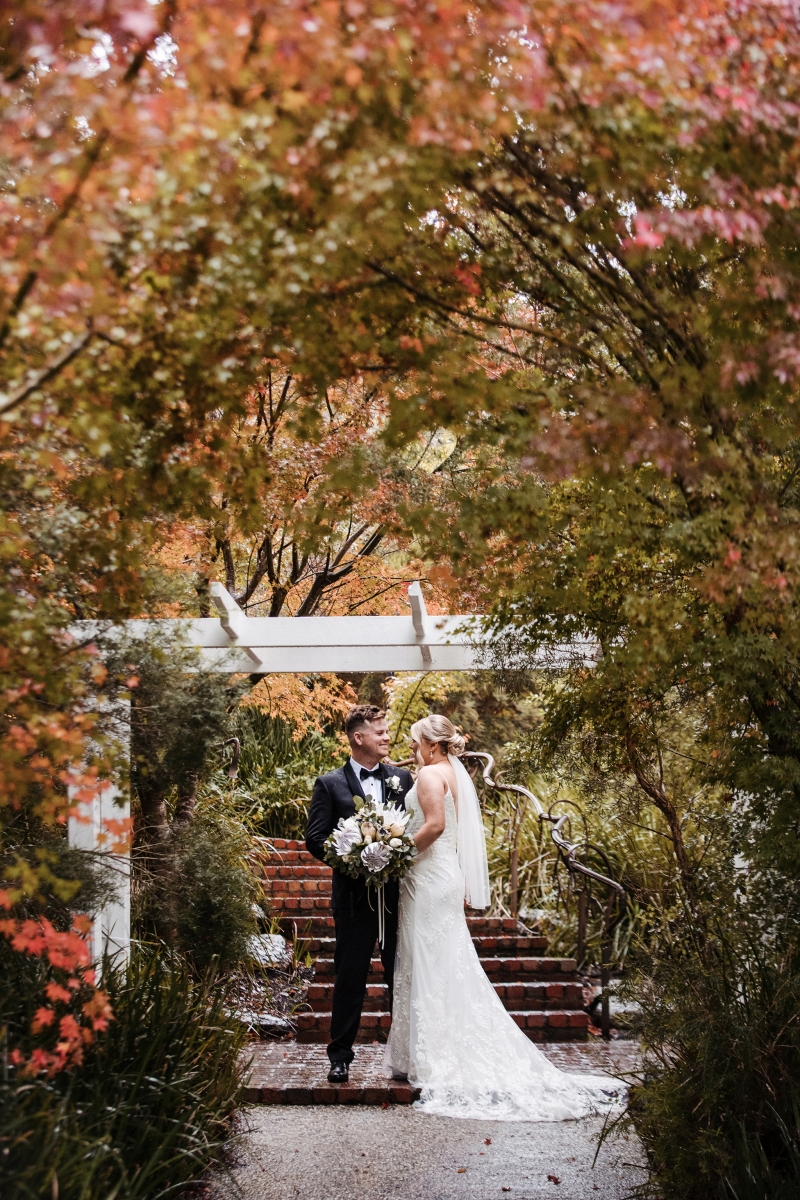
Venue: Potters Receptions, Photographer: Lemon & Lime Photography
Bringing in External Vendors
Most venues welcome external vendors, but that does not mean they come without additional costs. “Bringing in external vendors can incur additional costs such as supplier delivery or setup fees, venue insurance requirements, corkage or cake-cutting charges, storage or staging fees, and sometimes extra staffing to coordinate or supervise vendor services.”
Florists in particular often need earlier bump-in access than the standard advertised time. Staffing a venue for an earlier bump-in can result in additional charges. The same applies if venue staff are required to assist with any part of an external vendor’s setup.
Some venues do not charge external vendor fees at all, provided they are working within standard operating hours. But early access, extended hours, or anything outside the norm is usually assessed on a case-by-case basis.
Be upfront with your venue about every external vendor you plan to bring in, what they need, and when they need access. Ask specifically whether any of that will attract additional charges. It is a much easier conversation before you have signed, than after.
What Goes Into the Price You Pay for a Wedding Venue
Venue pricing is not just about the space and the food. A significant portion of what you pay covers things you never see on the day: the coordination time, the compliance costs, the staff wages, and the operational overhead that goes into running a professional events business. As one contributor put it, “there’s so much more that goes into creating a seamless wedding experience than meets the eye.”
The time investment
The hours that a venue team puts into your wedding start long before you arrive. Across our contributors, estimates ranged from 25 hours of direct coordinator contact, through to 35 to 40 hours of pre-event work plus 12 hours on the day, up to 50 to 70 hours for more complex packages. One vendor described what that time actually looks like: “everything from the very first enquiry, venue tours, and detailed planning meetings, to liaising with suppliers, coordinating rehearsals, and of course, delivering the big day itself.” And that is just one person. As another noted, those hours “do not take into account the hours required from all other staff involved with the wedding, and only take into account the estimate of hours invested by the wedding coordinator.”
Staffing and labour
Every person working your wedding, from the coordinator who has spent months on your file to the floor staff clearing plates at 10pm, is part of what you are paying for. Venues carry wages, superannuation, and workers’ compensation across their entire team. Saturday and Sunday events attract higher labour costs than mid-week, which is part of why weekend pricing is higher. Public holidays push those costs further still.
Running costs and compliance
Behind every well-run venue is a long list of operational costs that most couples never see. One contributor named them plainly: “administration and accounts, property maintenance, cleaning, staffing, insurance, liquor licensing, payroll, superannuation, and meeting ongoing legislative and safety requirements. All of these elements work together behind the scenes to ensure the venue is not only stunning, but also safe, compliant, and professionally operated.” Another got more specific: venue costs include “electricity for heating, cooling and lights, gas for the beer kegs and soft drink taps, dry cleaning of linen, replacing anything that was broken, and the cost of the venue manager organising your wedding.” It is a long list, and it sits behind every quote you receive.
How to Make Your Venue Budget Work Harder
There are genuine ways to reduce your venue spend without compromising the experience. Our contributors shared their most practical advice.
Choose an off-peak date
This is the most effective way to save on costs that is available to most couples. Mid-week dates, winter months, and shoulder seasons often unlock significantly lower minimum spends and more venue availability. “Don’t hesitate to ask venues for discounts or added incentives. It never hurts to ask, and you may be surprised at what they are willing to include to secure your booking.”
Be honest about your budget from the first conversation
“My recommendation is to always be honest with the venue about your budget and ask: with my budget, when can I book?” Venues work with budget constraints more often than couples realise. The right venue will tell you what is possible rather than just showing you what costs more.
Approach it like buying a car
One contributor offered a comparison that stuck with us. “When you buy a car, you shortlist around ten models, test drive three, and make a decision. The same approach works for venues. Shortlist ten that feel aligned with your vision and go through their brochures. What do they charge across food and beverage on average? What do you both love about each? What are the deal-breakers? Narrow it to three that best match both of your priorities and book tours from there. It is a methodical process that takes the emotion out of the decision just enough to make a clear-headed choice.”
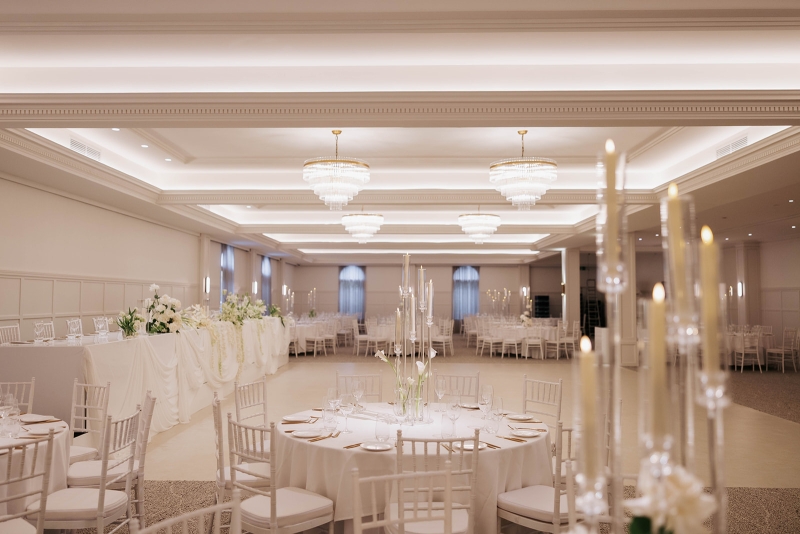
Venue: Huntley House (Nudo Events), Photographer: Art of Grace Studios
Use what the venue already has
Familiarise yourself with the venue’s existing inventory before spending on external hire items. “Ask about furniture and inventory so you can utilise the amazing items already at the venue.” Many venues have styling pieces, props, and furniture included in the hire fee that never get used because couples do not ask about them.
Focus upgrades where they matter most
If food and beverage are your highest priority, put your upgrade budget there. If they are not, stick to a lower beverage package and spend the difference on something that matters more to you. Most package upgrades are optional. Skipping the ones that are not priorities is a legitimate way to manage the total.
Trim the guest list
Because most venues price per head for food and beverage, every guest you remove from the list reduces your total spend. It is worth having an honest conversation early about who actually needs to be there.
Consider in-house options first
Bundling services through in-house options streamlines coordination and often offers better value than sourcing everything separately. If the venue has a preferred supplier network, it is worth understanding why they recommend those vendors before automatically going elsewhere.
Build in a contingency
Focus upgrades where they matter, trim where they do not, and build in a buffer. Setting aside 10 to 15 percent of your venue budget as a contingency for unforeseen expenses or last-minute adjustments is advice that sounds conservative until you are three weeks out and need it.
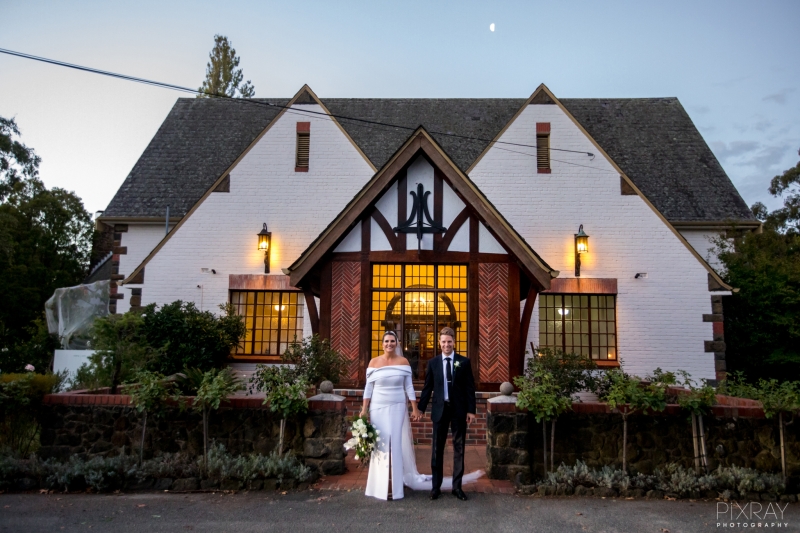
Venue: Wattle Park Chalet, Photographer: PixRay Photography
Final Thoughts on Wedding Venue Budgets
Your venue is more than a backdrop. It shapes the atmosphere, the flow, and the emotional experience of your whole day. Getting it right is worth spending time on, and getting the budget right is about being honest and practical about your “must haves” from the very first conversation. Final general advice for our venue experts:
“Couples should thoughtfully align their budget with their guest count and key priorities, selecting venues that offer open communication and transparent pricing. Asking questions early on about what is included, any styling limitations, and the extent of coordination support ensures clarity and avoids surprises.”
“When setting a venue budget, expect it to be one of your largest expenses. Ask for itemised quotes to spot hidden costs. Build in a small contingency. Focus spending on your top priorities and do not be afraid to negotiate off-peak dates or packages to get the best value.”
And finally, a reminder that goes beyond the numbers: “Every venue has different strengths and weaknesses. Whatever you book, I am sure you will receive a fantastic service. But if you are planning a wedding with a coordinator you vibe with and get along with, the planning process can feel more relaxed and even fun. Remember to not only love the venue, but also the staff you will be working with along the way.”
A huge thank you to our incredible contributing venue professionals: Pip Metcalfe from Tindarra Resort, the team at Nudo Events, Aparna Jones from Wattle Park Chalet, Wesley Jones and Meg Free from Post Office Hotel, Jana Teivonen from The Marion, Nadene Clarke from Gledswood Homestead & Winery, and Karen Bentley from Potters Receptions.
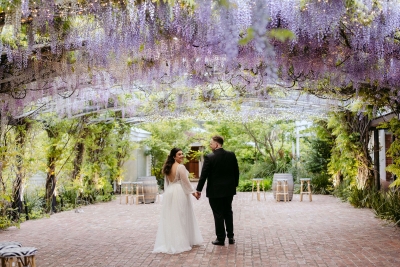
Main image – Venue: Potters Receptions, Photographer: Rick Liston & Co



Join the conversation