
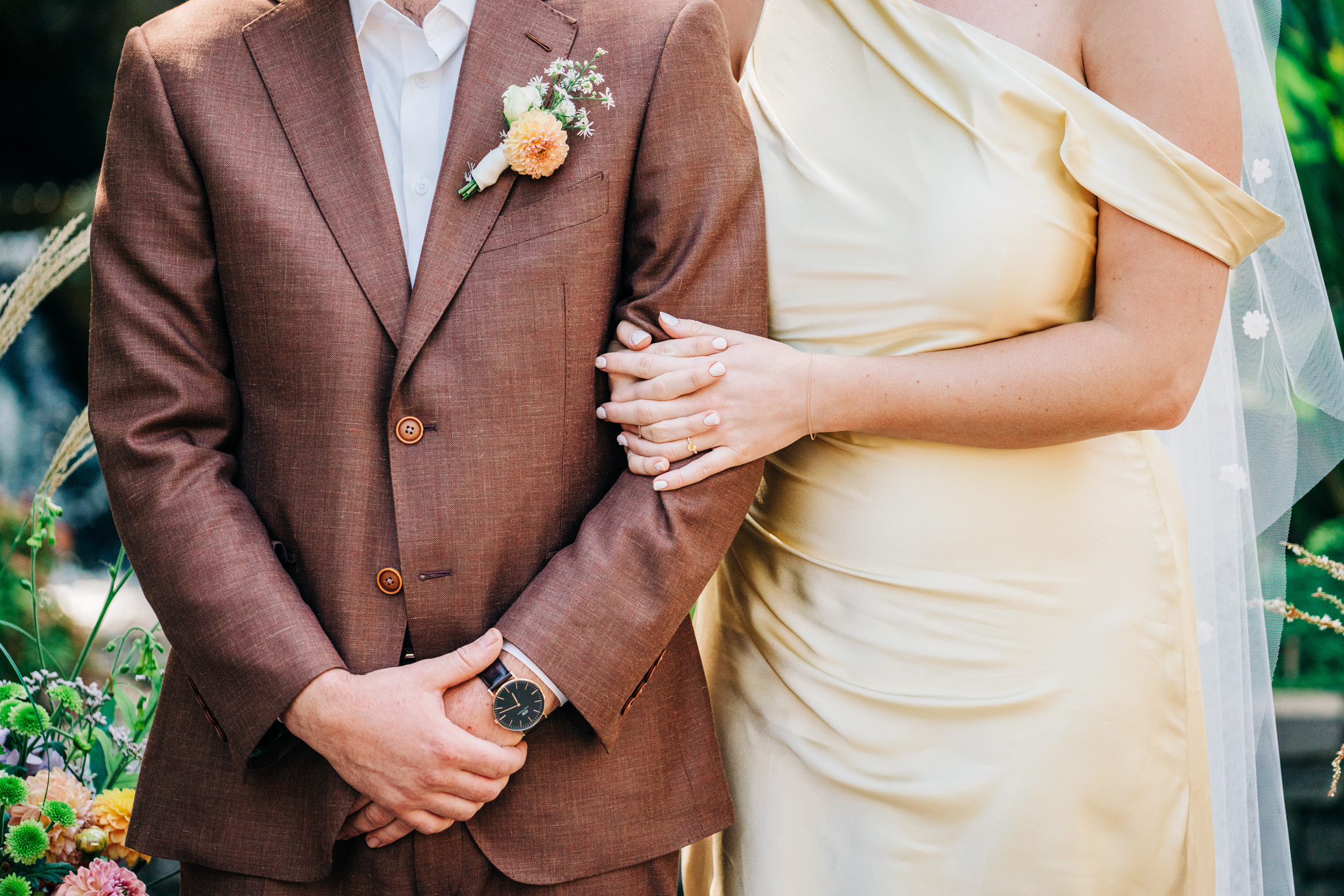
A few weeks after the wedding, a couple sat in Amanda Lambros’s counselling room feeling confused. They’d loved their day. So why did they feel so flat now? Amanda’s a relationship therapist with over 25 years of experience, and she says this comes up more than people realise. If you’ve felt strangely low, guilty, or unsure why the excitement disappeared once the planning stopped, this one’s for you.
A few weeks after their wedding, a couple sat in my counselling room looking completely confused.
“Amanda,” one of them said, “I think something’s wrong with me. I loved our wedding. It was everything we’d hoped for… so why do I feel so flat now?”
I smiled because, despite how lonely it can feel, they weren’t the first couple to ask me that question.
Over the past 25 years as a relationship therapist, I’ve had countless newlyweds quietly admit that once the celebrations were over, something shifted. They felt exhausted, emotional, unmotivated or unexpectedly sad. Almost every one of them followed that confession with the same sentence: “I feel guilty for feeling this way.”
The truth is, there’s nothing wrong with you.
You’re probably experiencing what’s often called the post-wedding blues, and it’s far more common than most people realise. The strange thing is that we spend so much time talking about planning the wedding, yet almost no one prepares us for what happens afterwards.
For months, sometimes years, your wedding becomes a major part of your life. There are venues to visit, budgets to manage, dresses or suits to choose, seating plans to shuffle, family opinions to navigate and endless decisions to make. Friends ask how the planning is going. Your weekends become filled with appointments and checklists, and your evenings are spent researching, organising and dreaming about the big day.
Then, almost overnight, it’s over.
The flowers have wilted, the dress is hanging quietly in the wardrobe, the thank you cards are waiting to be written, and life returns to its usual rhythm. After months of anticipation, the calendar that was once overflowing suddenly feels empty.
That’s a huge emotional adjustment.
One of the biggest misconceptions is that feeling low afterwards somehow means you’ve made the wrong decision about getting married. It doesn’t.
Most people aren’t grieving the marriage. They’re grieving the end of a chapter that was exciting, meaningful and filled with anticipation.
As the Director of the Grief Recovery Institute of Australasia, I’ve learnt that grief isn’t limited to death. We grieve endings, life transitions and changes in identity. Finishing university, retiring from a career, selling the family home, children leaving home, or even returning from an incredible holiday can all bring unexpected sadness because something important has come to an end.
A wedding is no different.
Sometimes we’re not grieving because something was bad. We’re grieving because something beautiful has finished.
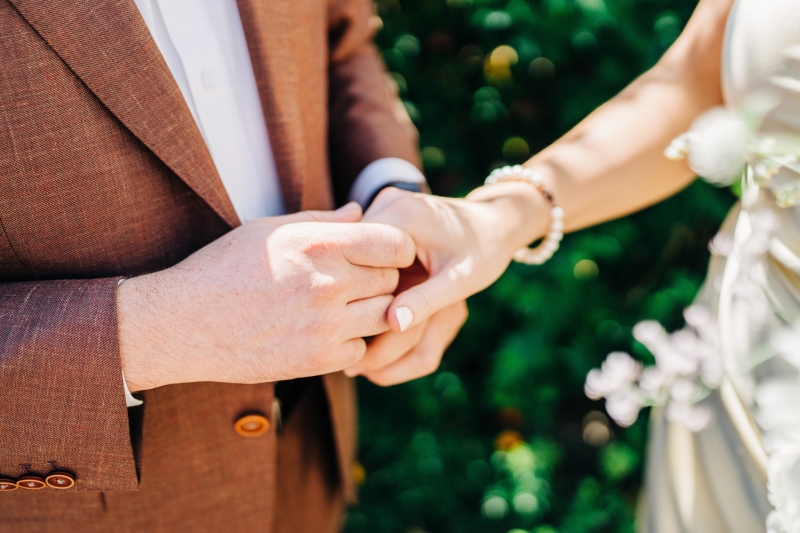
Another part of post-wedding blues that doesn’t get talked about nearly enough is what happens when one partner experiences it and the other doesn’t. One person might happily slip back into everyday life within a few days, while the other continues feeling emotional for weeks. Perhaps one partner spent hundreds of hours planning every little detail, while the other was simply excited to marry the love of their life.
Neither response is right or wrong.
The challenge comes when couples begin comparing their emotional experiences instead of trying to understand them. I’ve heard people say things like, “I don’t understand why you’re still upset,” or, “I should be over this by now.”
Healthy relationships aren’t built on having identical emotional responses. They’re built on creating space for each other’s different experiences with curiosity rather than judgement. Sometimes simply saying, “Tell me what this feels like for you,” can be far more powerful than trying to fix the emotion.
I’ve also noticed that post-wedding blues can look quite different for neurodivergent people, and it’s something we don’t discuss often enough. For someone with ADHD or autism, a wedding can be one of the biggest social, emotional and sensory experiences of their life. Bright lights, loud music, changing schedules, constant conversations, physical affection and the pressure of being “on” all day can leave the nervous system completely exhausted.
Even when every moment was joyful, recovery afterwards can take days or even weeks. What looks like sadness is sometimes emotional depletion. Understanding that difference allows both partners to respond with compassion rather than confusion.
Perhaps the hardest part of post-wedding blues isn’t actually feeling flat.
It’s feeling guilty for feeling flat.
I’ve worked with people who say, “It was the happiest day of my life. I should just be grateful.”
But gratitude and sadness aren’t opposites.
You can feel deeply thankful for your wedding while simultaneously missing the excitement, the anticipation and the shared purpose that surrounded it. Human emotions are wonderfully complex, and more than one feeling can exist at the same time.
If you’ve found yourself feeling unexpectedly emotional after your wedding, be gentle with yourself. Talk openly with your partner instead of pretending everything is fine. Give yourself permission to rest after months of emotional, mental and physical energy. If you’re struggling more than expected, don’t hesitate to reach out to someone you trust or speak with a mental health professional. Sometimes simply knowing that what you’re experiencing is normal can be incredibly reassuring.
One practical suggestion I often share with newly married couples is to create something new to look forward to together. It doesn’t need to be another huge event. It could be planning your honeymoon, taking a weekend away, learning a new skill together, starting a shared project or simply creating a weekly date night that becomes part of your new rhythm as a married couple. Having another chapter to anticipate helps gently shift your focus from what has ended to what is just beginning.
Because while your wedding was one extraordinary day, your marriage is hopefully made up of thousands of ordinary ones.
Those ordinary days are where the real magic happens. They’re built through morning coffees, shared laughter, difficult conversations, quiet weekends, acts of kindness and choosing each other over and over again.
The wedding may have marked the end of one beautiful chapter, but it also marks the beginning of another.
And if your emotions feel a little messier than you expected along the way, please know you’re not failing.
You’re simply experiencing one of the many beautifully human parts of life’s biggest transitions.
About the author: Amanda Lambros is a relationship therapist, forensic sexologist, author and Certified Speaking Professional with more than 25 years of experience. Known as “The Love Coach”, she helps individuals and couples strengthen communication, navigate life’s transitions and build healthier, more connected relationships. Find her via her website here or on Instagram here.
Photos by Dani Bartlett Photography via Sophie & Daniel’s Relaxed Garden Party Wedding in Fitzroy



Join the conversation