
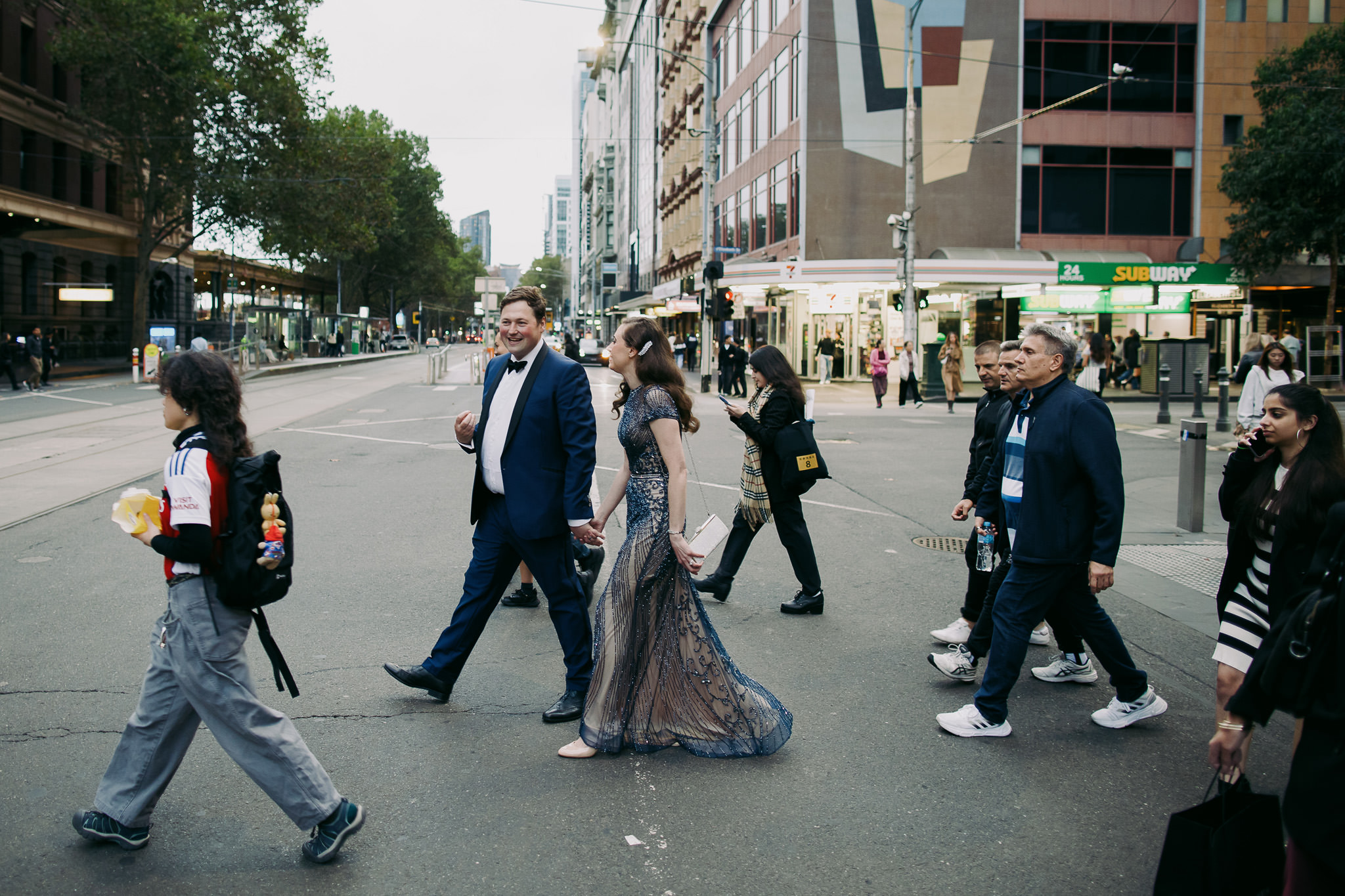
A wedding is a huge hit on a nervous system. A nervous system that let’s be honest, in 2026, is probably already holding down a full time job, managing finances in a cost of living crisis, and keeping all the other balls in the air. And when you add a wedding on top, with all its tasks, its family and financial pulls, and the emotional rollercoaster of it all, your nervous system may end up far more in fight or flight than you realise.
So if you have found yourself suddenly starting to struggle, starting to see the little cracks appear, starting to find everything a little harder than you think it should be. You’re probably right where everyone else is. You’re allowed to find this hard.
So, as a part of The Mindful Issue, we asked four experts, who live and breathe regulated, calm nervous systems, all about it.
So what’s actually happening in your body?
When you’re in stress mode, when you get that buzzy, on-edge feeling, the fight or flight, what is actually going on?
It’s a bit like hitting snooze on your alarm, says Carlie Byrom, counsellor and founder of Life Brain Training. “It feels fine in the moment, until suddenly you’re running late and everything is thrown into chaos.” Over months of planning, the body holds stress, building it layer upon layer, and the nervous system, as health and wellbeing coach Lauren Antonenko points out, doesn’t really care whether the threat is a lion or a never-ending list of emails, invoices, seating charts and family opinions. If it feels relentless, it responds accordingly.
Mick Owar, founder of Primal Recovery, a Melbourne facility specialising in stress recovery and nervous system regulation, sees it constantly in the athletes he works with. Elevated cortisol, higher adrenaline, constant mental load. “The body doesn’t distinguish between good stress and bad stress,” he says. “It just responds to pressure.” And Suzana Mihajlovic, performance coach and certified HeartMath Institute trainer, adds that the emotional dimension is where a lot of the damage happens. “Emotions drive our physiology more than thoughts do,” she explains. During prolonged stress, cortisol stays elevated, keeping the body in fight or flight for extended periods, which research links to burnout, disrupted sleep, irritability and physical symptoms like headaches and stomach pain.
Your body is not being dramatic (and neither is your mind!). It’s doing exactly what it’s designed to do. The problem is it was designed for short bursts of threat, not six months of seating charts.

How do you know when your nervous system is struggling?
Sometimes it creeps up on you. It’s the short fuse. The forgetting little, obvious details. The inability to make a small decision that normally wouldn’t register.
Lauren says it often shows up in ways people don’t immediately connect to stress. Feeling unusually emotional, struggling to concentrate, feeling like everything is suddenly too much. “Even simple choices like flowers or seating arrangements can start to feel disproportionately difficult,” she says. Carlie calls it “the wired but tired feeling, where you can’t fully relax even when you get the chance.” Mick adds that emotional reactions start to feel bigger than they should, and tension between couples is one of the most common signs he notices.
Physically, Suzana encourages couples to pay attention to stomach pain, headaches, changes in digestion, getting sick more often. These aren’t random symptoms. They’re the body signalling that something needs attention. That feeling of being constantly switched on with nowhere to come down can become the new normal before you even realise it’s happened. Lauren also points out that the focus can shift, from “we’re getting married” to “everything has to be perfect,” which just adds more pressure to an already full system.
None of this means you’re weak. It just means you’re human, planning one of the biggest days of your life, while everything else keeps moving around you.
So what actually makes it worse?
We can make this nervous system overdrive much worse on ourselves without even realising it.
Pushing through is the big one, says Lauren. More caffeine, more rushing, more pressure. It might feel productive in the moment but it just drives the nervous system further into stress. Mick agrees, adding that alcohol can compound things in the lead-up, disrupting sleep and recovery even when it feels like it’s helping you wind down. “Family pleasing, people pleasing and wedding planning,” says Carlie, “are a brutal combination.” Trying to make every detail flawless usually creates more stress, not less, and filling every spare moment with wedding admin without building in recovery time is one of the ways couples burn themselves out before the day even arrives.
Suzana points to late nights watching emotionally heavy content, unnecessary scrolling and leaning on things that offer momentary relief but don’t actually let the nervous system rest. “The relief feels real,” she says, “but the underlying tension stays.” And constantly talking about the wedding, even with the best intentions, can keep the nervous system in a low hum of stress without either of you noticing. Sometimes the most radical thing a couple can do is have one evening (regularly) where the wedding is completely off limits.
What actually helps?
Looking after your nervous system might feel like another thing on the to-do list. It should actually be at the top of it.
Suzana says it doesn’t have to be complicated. “You don’t need an hour of meditation every day.” A few minutes of slower, deeper breathing focused on the chest area has been shown to activate the parasympathetic nervous system, releasing calming hormones and bringing the body back into balance. Mick agrees that simple things work best. Daily movement, short breathing sessions, and clear boundaries around when wedding talk is off limits. Lauren keeps it even more basic. Eat regularly, drink enough water, get enough sleep, move your body. “Keep checking in with each other as humans,” she says, “not just as co-managers of an event.” Set dedicated time for planning rather than letting it bleed into every dinner, every weekend and every conversation.
Carlie adds that creating regular space where the wedding isn’t discussed at all, even just one evening a week, can give the nervous system a genuine reset. She also works with clients using NeurOptimal® neurofeedback, a gentle, non-invasive approach that helps the brain reset and reorganise itself during high-stress periods.
Recover as you go. Not after. Not once it’s all over.
How do you get to the day feeling present?
By the time you get to the wedding, you can feel overwhelmed. The excitement is sending you buzzing, but so are the tasks, the expenses and the family issues. So how do you make it to the day feeling calm, and give your mind and body enough space to actually be there?
Pull back rather than push harder in the final days, says Mick. Think of it like tapering before a big event. Lauren puts it simply: proper meals, sleeping as well as possible, staying off the phone where you can, not overcommitting socially. “You want to arrive in your body,” she says, “not just in your outfit.”
Carlie says perfectionism is the thing most likely to derail you at this point. Simplify anything that can be simplified and let go of the idea that everything needs to be perfect. Suzana’s advice for the final stretch comes back to the same practice she recommends throughout: slower, heart-centred breathing, and returning to the reason you’re there in the first place. “Focus on the love, the joy, the person in front of you,” she says. “Let go of everything else.” Even a few moments stepping away for a quiet pause on the day itself can help. The goal isn’t to eliminate nerves. It’s to create enough calm that you can actually feel what’s happening.
What if you’re already completely overwhelmed?
If you’re feeling overwhelmed right now, it’s incredibly normal. You’re juggling a wedding, with everything it entails, alongside a full life.
Slow down, say all four of them. “Nothing about the day improves if you’re both burnt out,” says Mick. Lauren would help you zoom out and ask what actually matters, what can be delegated, what can be let go of. “Most overwhelmed couples don’t need more hacks,” she says. “They need less pressure.” Carlie would remind you that the wedding is one day, but the relationship is the reason for all of it. Suzana would start by listening, then help you build a picture of what you actually want this time to feel like.
You get to decide what this period looks like. Not Instagram. Not your family. Not whatever version of a wedding everyone else seems to be pulling off without breaking a sweat.
You’re allowed to find wedding planning hard. Most people do, they just don’t talk about it.
Oh, and if you are neurodivergent? Check out our guide on how to plan a wedding with ADHD.
Meet the experts
We couldn’t have written this without these four:
Carlie Byrom is a counsellor and the founder of Life Brain Training and Counselling, supporting clients across Australia using nervous system regulation strategies and NeurOptimal® neurofeedback.
Lauren Antonenko is The Mojo Mentor, a health and wellbeing coach helping busy humans improve the daily habits that impact energy, stress, mindset and resilience. You can find her on Instagram here.
Mick Owar is the founder of Primal Recovery, a Melbourne facility specialising in nervous system regulation, contrast therapy and stress recovery for athletes and high-pressure individuals.
Suzana Mihajlovic is a multiple bestselling author, elite performance and success coach, certified HeartMath Institute trainer, and the founder of Your2Minds.
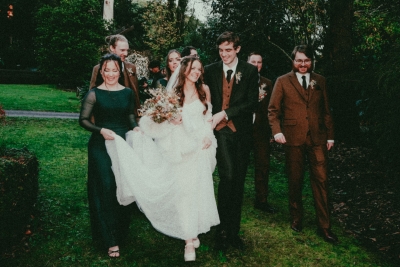
Photos by Leo Farrell via Caitlin & Alex’s Black-Tie Marriage Celebration at Rendezvous Hotel






Join the conversation