
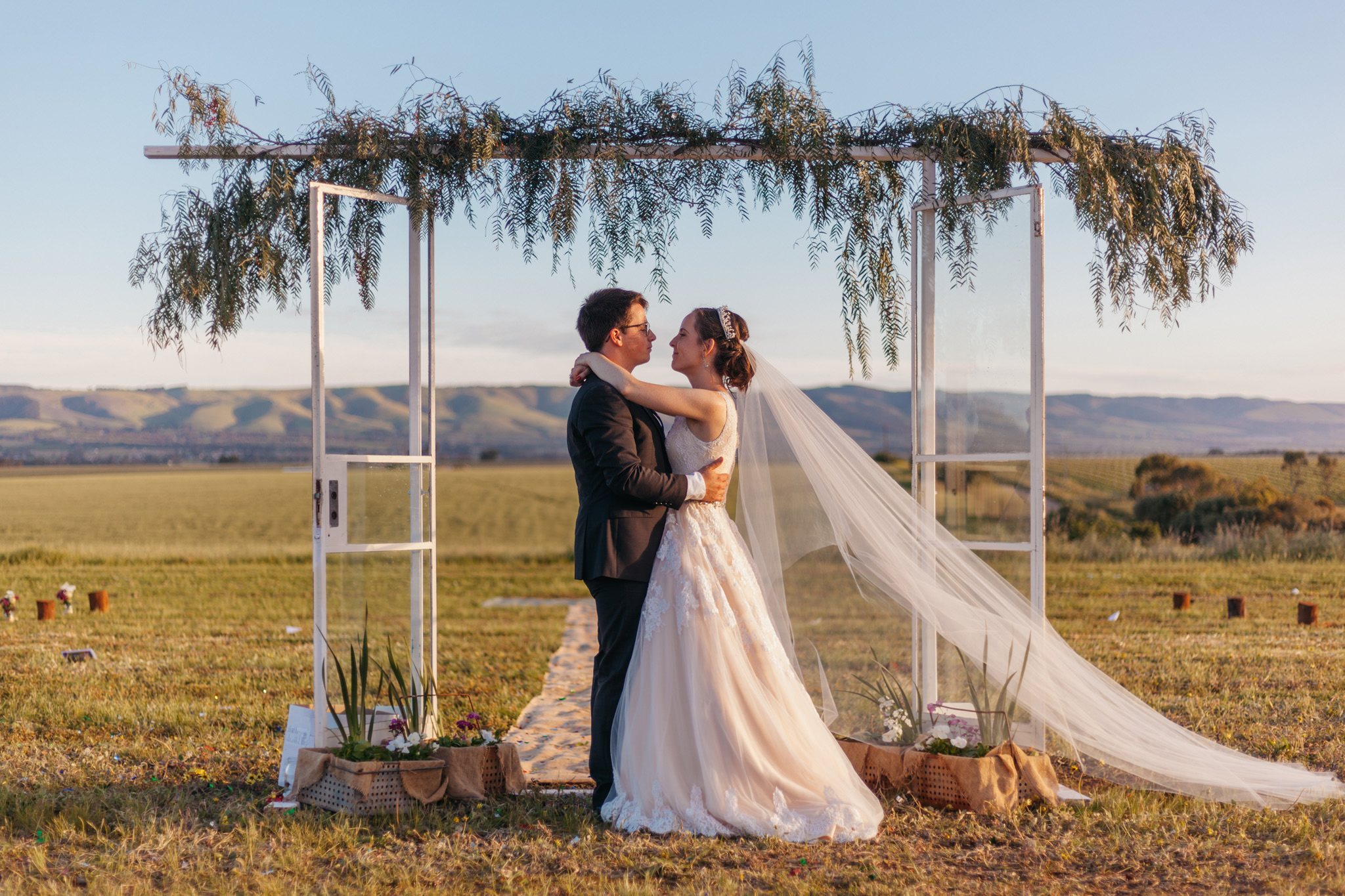
Elise Mezner is a wedding photographer, sustainability coordinator and the kind of person who met her husband while lobbying parliament on the Foreign Aid Budget. So when she writes about ethical and sustainable weddings, she’s not working from a checklist. She’s writing from a decade of photographing couples who’ve thought deeply about what their wedding says about their values, and from her own wedding, which started with Fairtrade gold rings and a commitment to doing things differently. Here’s her guide to making your wedding as ethical and sustainable as possible.
So, you want to have an ethical and sustainable wedding? What exactly does that mean and how does one execute this? The Dictionary definition of ethical states:
‘Relating to beliefs about what is morally right and wrong.’
The Dictionary definition of sustainable states:
- Able to continue over a period of time
- Causing, or made in a way that causes, little or no damage to the environment and therefore able to continue for a long time.
Therefore, in order to be ethical and sustainable we need to think about longevity, the environment and right and wrong. There is a lot of greenwashing around sustainability and what being an ‘ethical’ person is these days. So how does this correlate to the wedding industry?
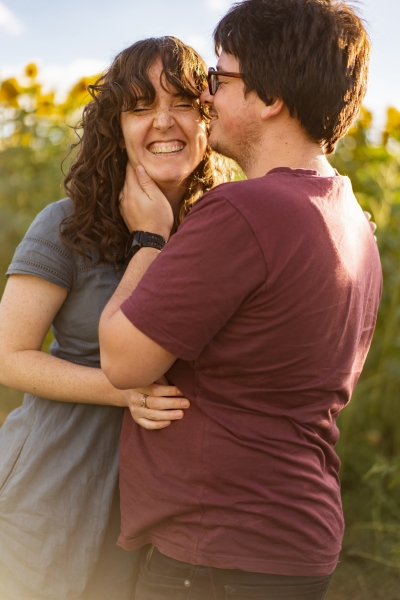
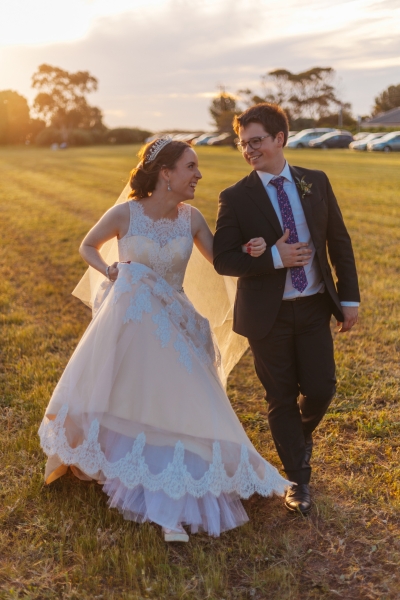
Elise and Will. Photograph by Tangerine Creative Elise and Will at their wedding in 2016. Photograph by Jewel Chenoweth Photography
My husband, Will, and I got married in 2016. We met in 2013 on The Roadtrip to End Poverty, an advocacy action run by Oaktree that saw 1000 young people jump on buses and head to Parliament House in Canberra to speak to politicians about the Foreign Aid Budget and how we as Australians should be doing more to help others (we are the lucky country after all). Will and I soon worked out we went to the same university and started a Fairtrade group there, lobbying the university to become Fairtrade accredited, eliminating child labour from the coffee, tea and chocolate sold on campus. It was a success and along with seeing our university become Fairtrade accredited, we also fell in love. Soon enough, we were planning our own wedding and wanted to make sure that every part of it was as ethical and sustainable as possible.
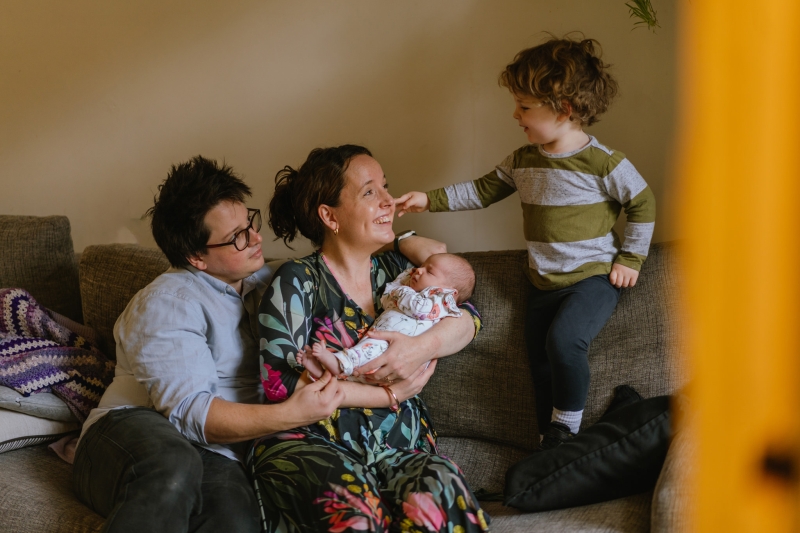
Elise with her husband Will, son Thomas and daughter Madeline. Photographer: Tangerine Creative
As a result of planning my own wedding and through the weddings I have photographed over my decade as a wedding photographer, I have a few tips for anyone who wants to make their wedding as ethical and sustainable as possible.
Wedding Clothes:
When choosing how to be ethical and sustainable with what you’ll wear to your wedding, think about the following:
- Could I get my outfit made by someone personally? This is what I ended up doing through Etsy. There are so many artists on there who you can connect with that can create a masterpiece for you.
- Could you repurpose an outfit and give it your own spin like Allie, Naomi and Chana? I borrowed my tiara from my grandmother, which was a very special element to my outfit.
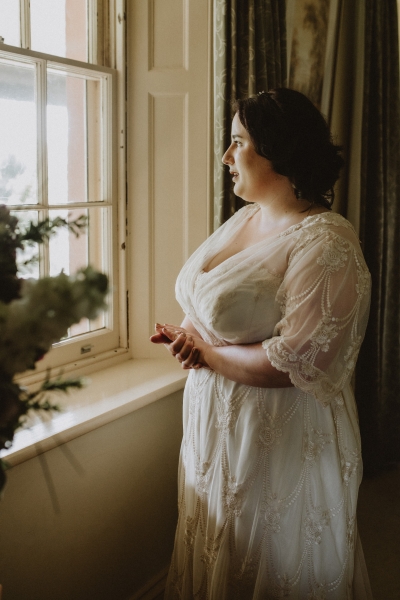
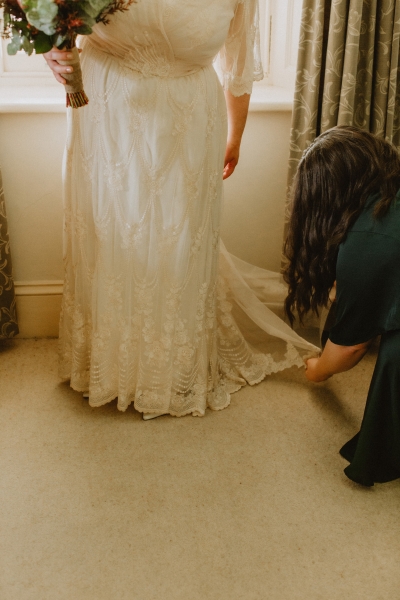
Allie wearing her repurposed wedding dress. Photographer: Elise Mezner Photography
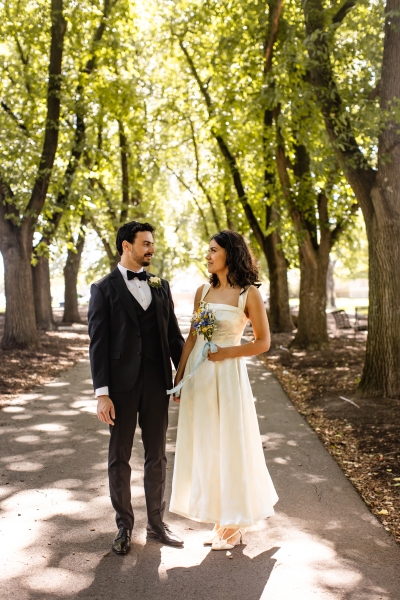
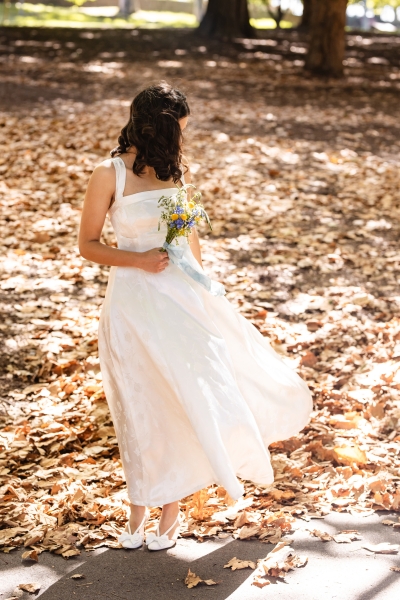
Naomi wearing her repurposed wedding dress. Photographer: Elise Mezner Photography
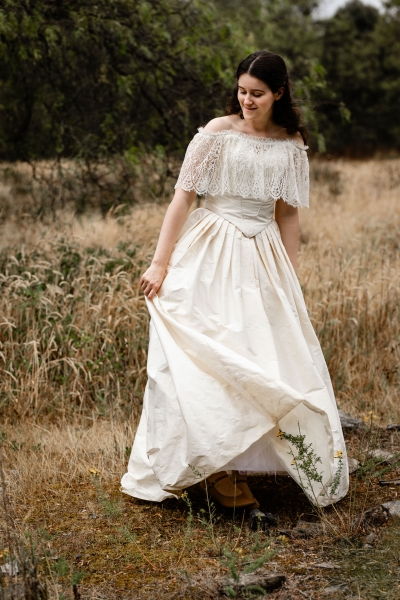
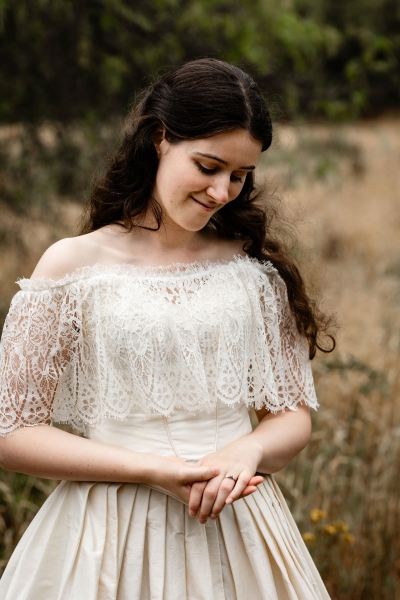
Chana wearing her repurposed wedding dress. Photographer: Elise Mezner Photography
- Another option is to choose businesses that make their dresses here in Australia, or follow the Fairtrade accreditation (such as Hope and Harvest, an incredible company that makes their dresses in Australia and with Fairtrade agreements off shore).
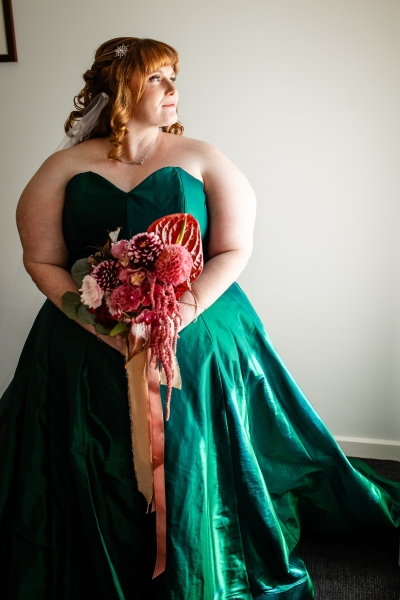
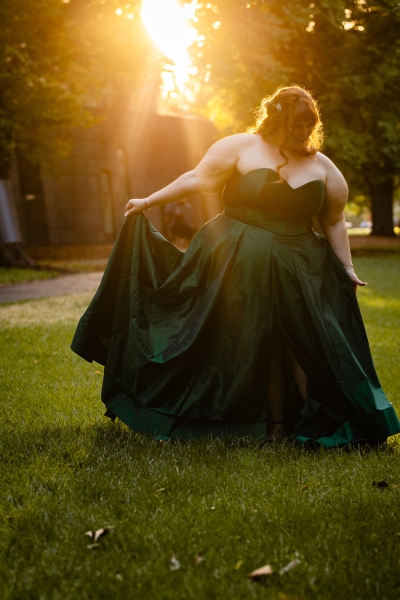
Hope and Harvest Gown. Photographer: Elise Mezner Photography
- Still White is an excellent source of second hand wedding dresses
- Op Shops – sometimes you can get lucky and if you have the time, it’s a wonderful way to put love into an old dress
- If you are talented enough (I know I certainly am now), making your own dress like Audrey below, is such a sustainable and ethical way of creating exactly what you want.
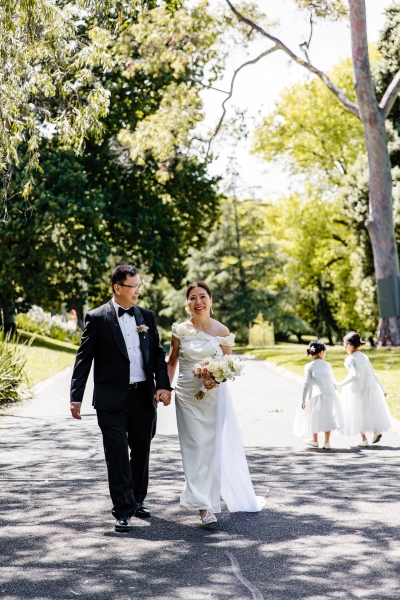
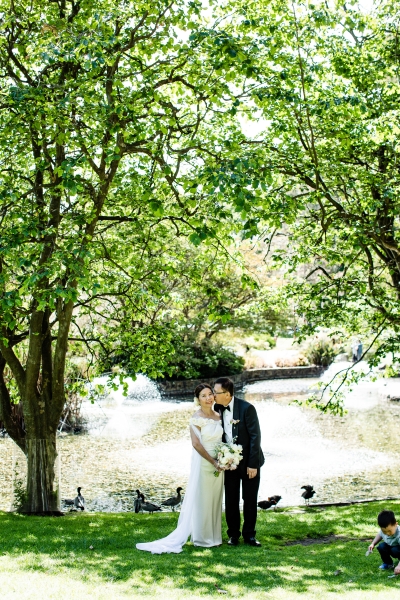
Audrey wearing her wedding dress that she made. Photographer: Elise Mezner Photography
Also know that just because you’re having a wedding does not mean you need to go the traditional white dress/black suit option. I’ve photographed couples in green suits, green outfits, blue outfits, sparkly outfits, orange outfits and everything in between. Regardless of how you choose to source your outfit, wear your values with pride.
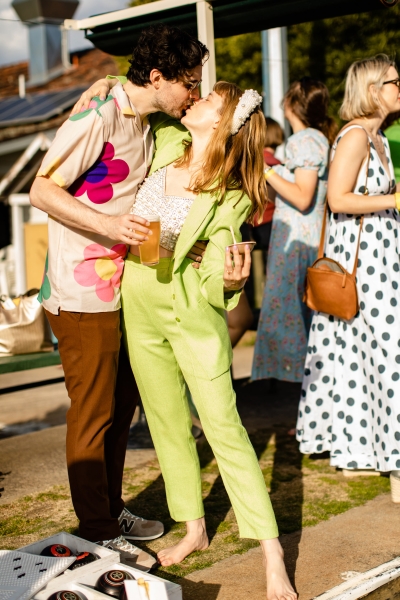
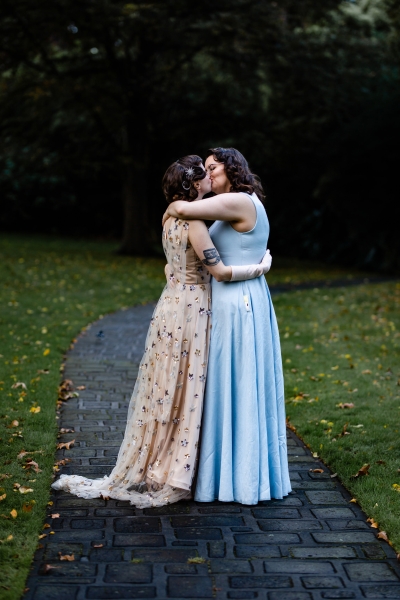
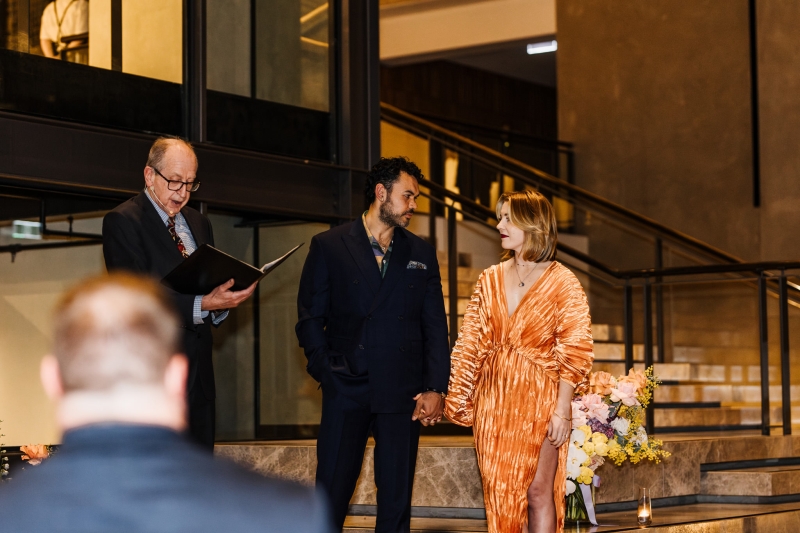
Photographer: Elise Mezner Photography
Florals:
When choosing a florist, it is important to choose a vendor that doesn’t use floral foam. Floral foam is a huge waste problem and contributes to the microplastic problem.
Did you know that many cut flowers are sourced from overseas? The people who grow these flowers overseas for us are often exploited and the shipping costs are not great for the environment along with biosecurity concerns. Source florals that are in season and are local to the area that you are getting married in. Even better if your florist has social impact like The Beautiful Bunch in Melbourne does.
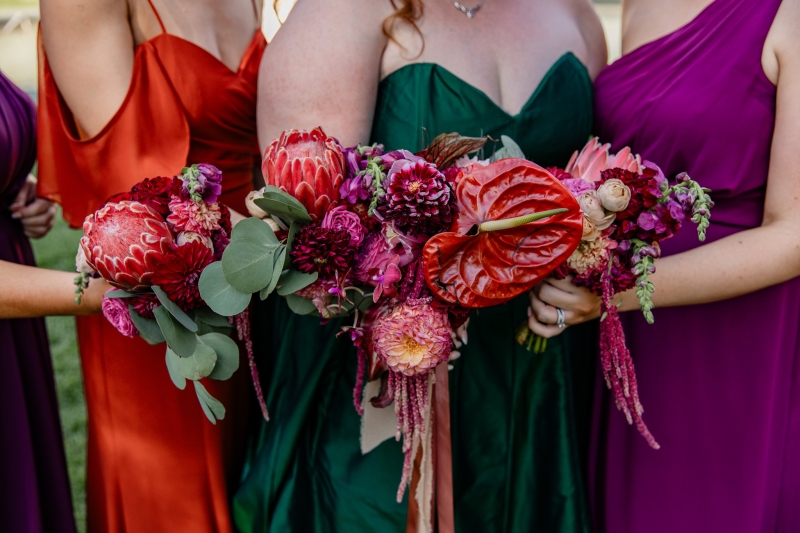
Florals: The Beautiful Bunch. Photographer: Elise Mezner Photography
If you have the sewing capabilities, you could also do like Tash did for her wedding and crochet all of the florals used throughout the wedding. A beautiful element that will last forever.
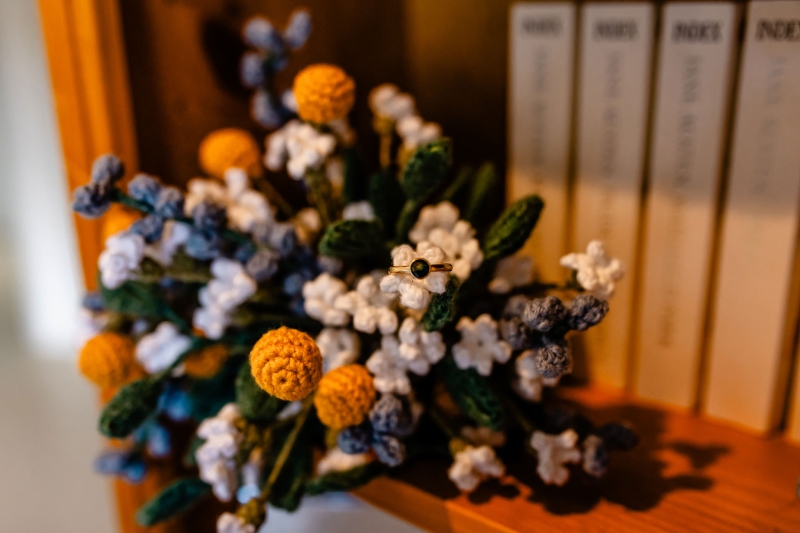
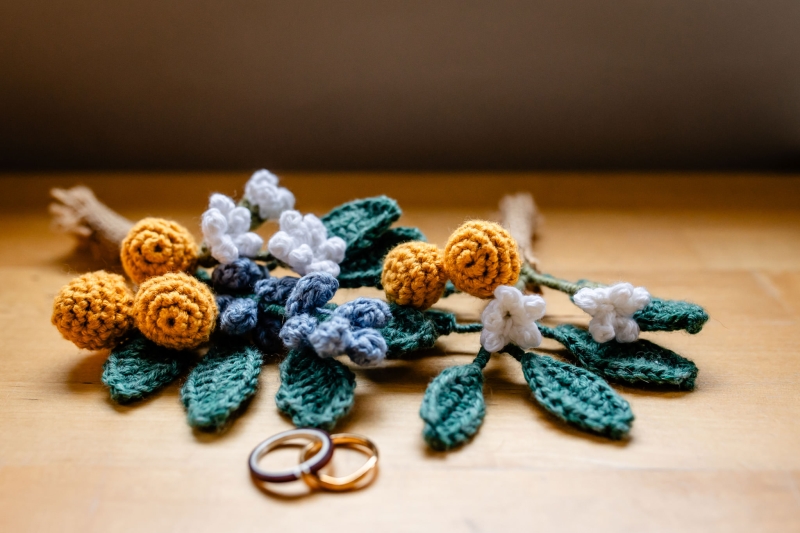
Florals: Made by the bride, Tasha. Photographer: Elise Mezner Photography
Confetti:
There are many biodegradable options available nowadays. This is what we chose for my own wedding. No need for plastic confetti – this doesn’t degrade at all and lasts thousands of years. I personally love when couples make their own confetti through dried petals or leaves. It’s also great when the guests throw the confetti ‘up’ rather than ‘at’ the couple. Bubbles are also a fantastic option and make for such cute photos.
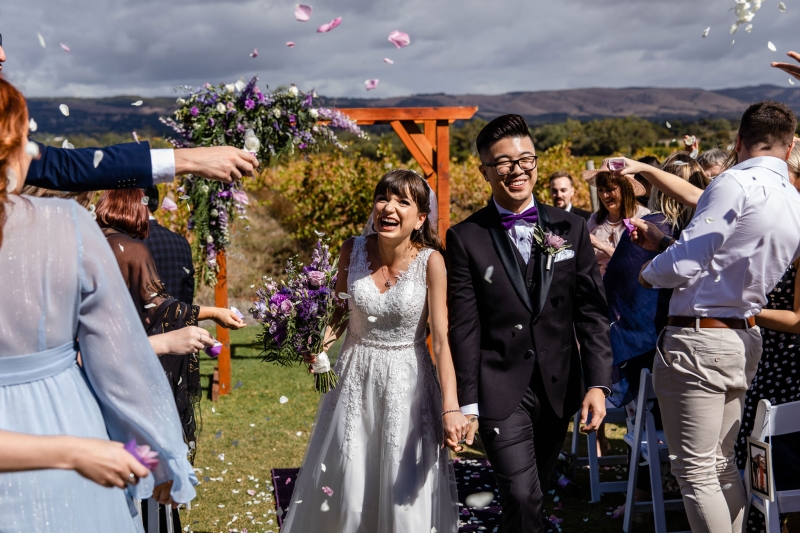
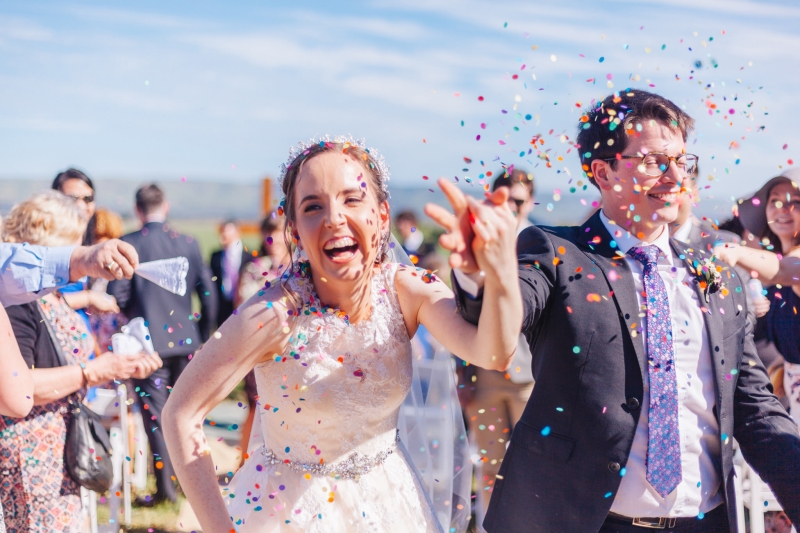
Photographer: Elise Mezner Photography. Elise and Will at their wedding in 2016. Photograph by Jewel Chenoweth Photography
Bonbonerie
I have photographed countless weddings and seen countless bonboneries left behind. Some more sustainable options:
- Seeds that your guests can plant and grow themselves. Rosemary is a popular one at a recent wedding I attended.
- Succulents. Most of these were taken by guests and were very appreciated.
- At my own wedding we did a lolly bar. It was very 2016 but very popular.
- Mugs! Every guest gets to take home a mug of their choice. This was hugely popular. The couple collected mugs from op shops in the lead-up to the wedding and guests could then use the mug at the reception and take it home.
- Donate to a charity that you love. This is one of my all time favourite ways to give back to your guests.
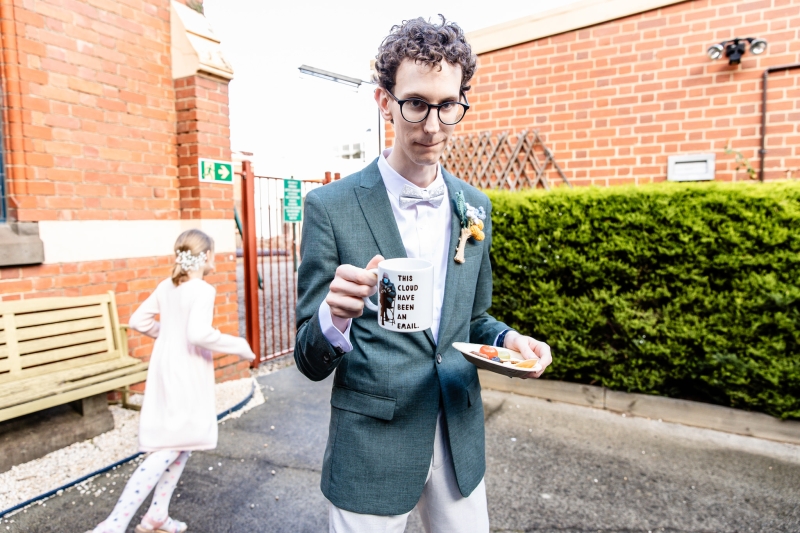
One of the mugs that guests could take home as bonboneries. Photographer: Elise Mezner Photography
How to get to the wedding:
At my own wedding I walked to the ceremony and reception. I got married down the road, which made it very easy. Here are some other options that can save petrol plus add more fun and community to your day:
- Bus your guests to and from the venue: this cuts down on costs and allows your guests to not drink and drive.
- Encourage car sharing and help facilitate this for your guests. This is something I wish I facilitated more at my wedding.
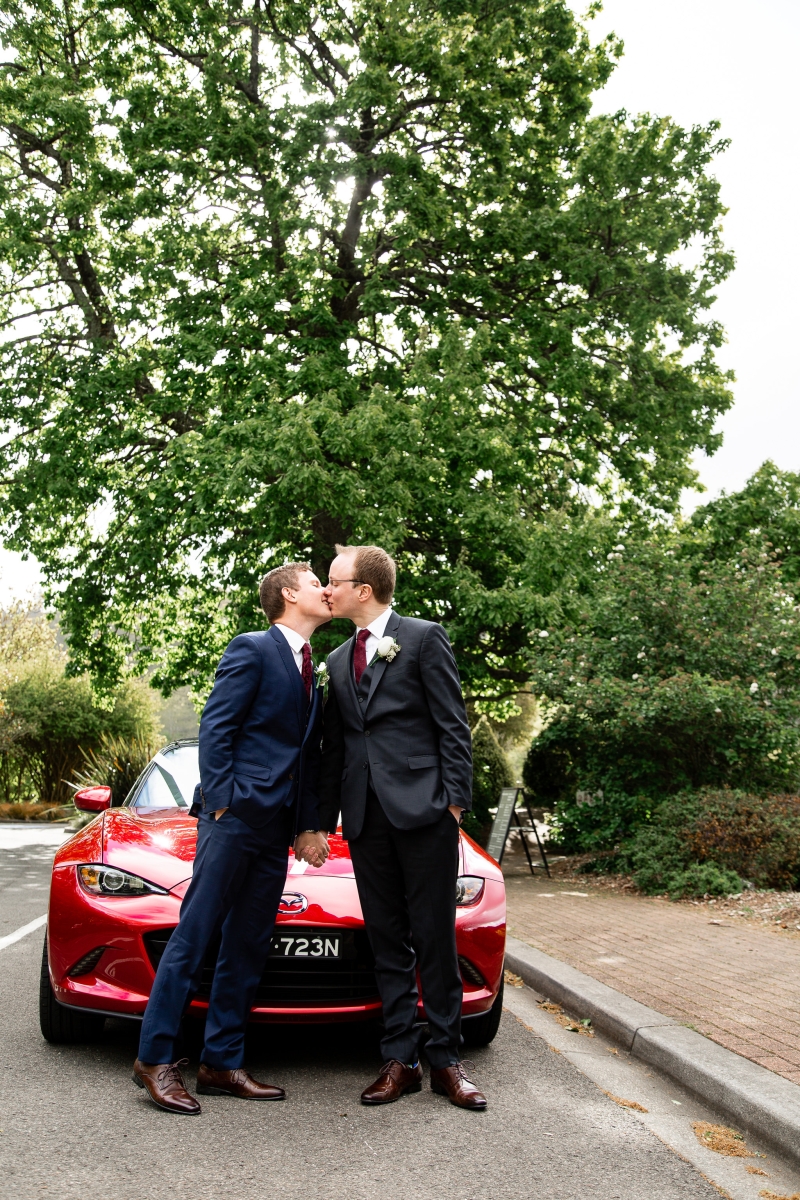
Photographer: Elise Mezner Photography
Menu
One of the aspects that I think is vitally important in how you can share your values is through food.
If you are vegan or vegetarian, I would 100% showcase how good a vegan or vegetarian wedding can taste and be for the environment. I’m sure your guests will be shocked when you tell them it’s actually all vegan/vegetarian.
If you are not vegan or vegetarian, one aspect I would consider when choosing your menu is where your food comes from. I photographed a wedding at Hazel in Melbourne, and they pride themselves on having a menu that truly is “Farm to Table, Table to Farm”. When you have your wedding at a venue such as Hazel, you know directly where the food that you are eating has come from and how those farmers are impacted. How cool is that!
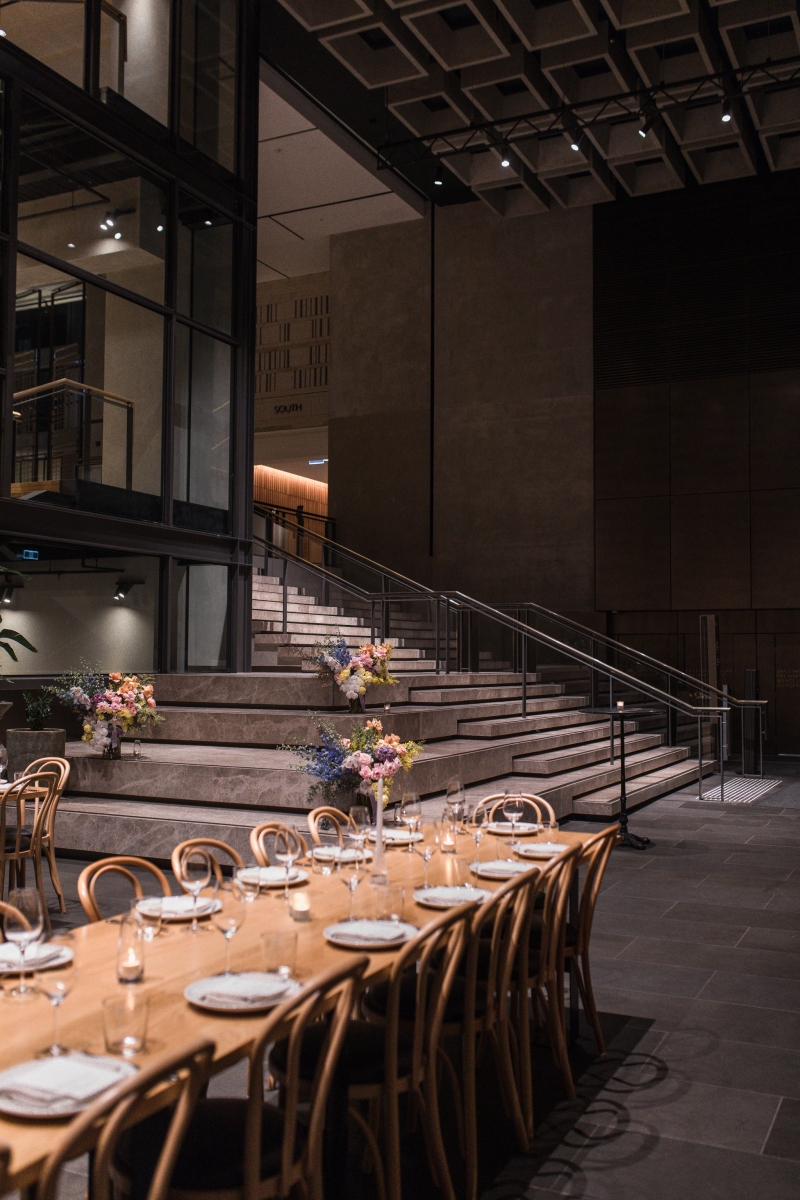
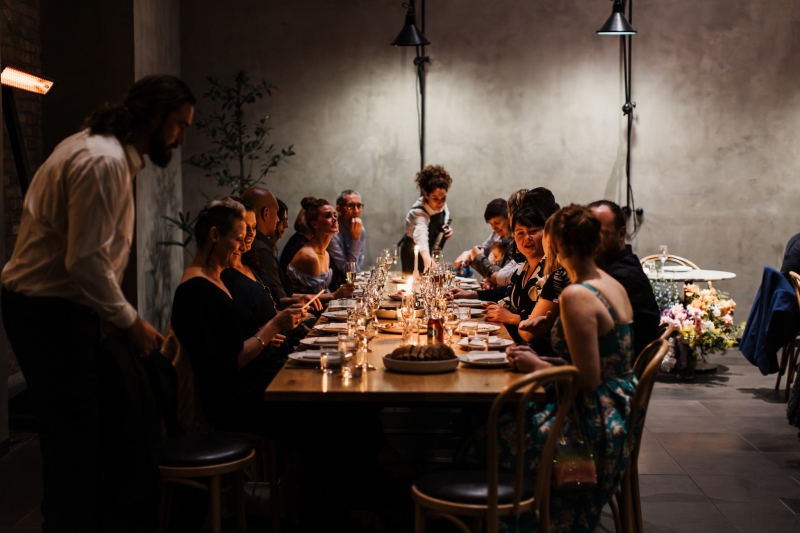
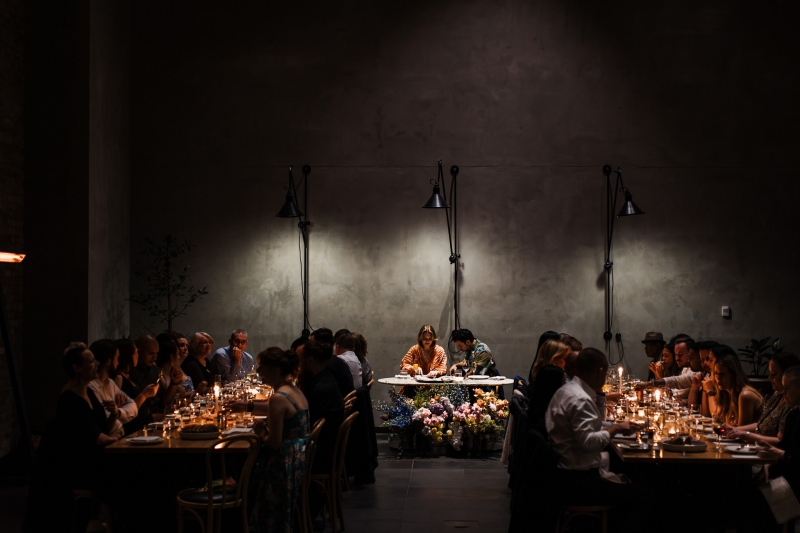
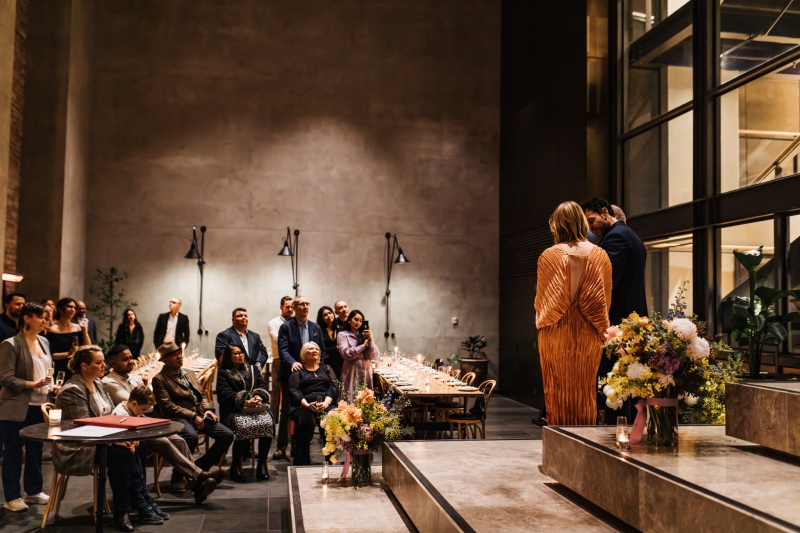
The reception venue at Hazel, Melbourne. Photographer: Elise Mezner Photography
Jewellery
This is an aspect that was very important to Will and I. There is a lot of exploitation within the jewellery industry, and as Fairtrade advocates, we knew that we wanted, if possible, fairtrade wedding rings. We chose to have our wedding rings made by Zoe Pook Jewellery. My wedding ring represents an Irish Claddagh ring and acts as my engagement and wedding ring, while also representing my Irish heritage. Both Will and my rings are 18k fairtrade gold and Zoe creates exquisite jewellery that can be made from fairtrade gold or recycled gold.
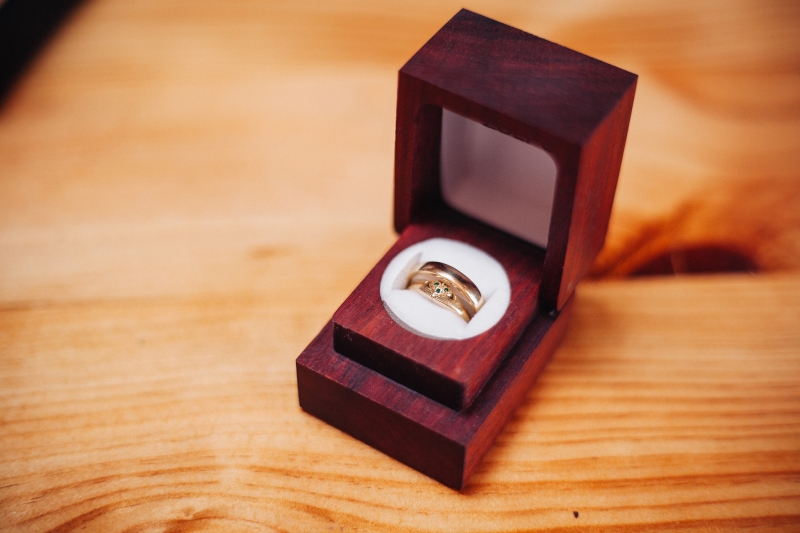
Elise’s fairtrade wedding ring. Photograph: Jewel Chenoweth Photography
Photography/Videography
Some areas to think about when choosing an ethical and sustainable photographer and videographer for your wedding:
- You need to click with the vendor. You will be spending the entire day with them and they will make lasting memories for you. If you don’t feel like you could be best friends, they probably aren’t the person for you.
- Someone who has the same values as you. I believe in allowing my couples a bit of time and space during the day for them to soak in the day and just be with each other to say “we did it!” Therefore, I factor that into the timeline when working with my couples.
- We live in an AI world. There is a lot unknown about this world, and the ethics around it is complicated. This is a discussion worth having with your vendor about how and why they use AI.
- Social Media. Likewise with AI, how a vendor uses social media also makes an ethical vendor. It is important that the vendor respects your decisions around social media.
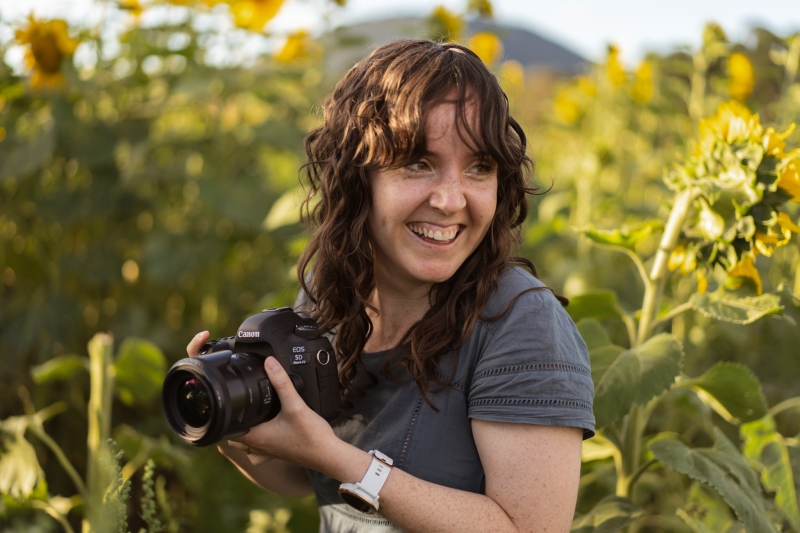
Elise for Elise Mezner Photography. Photographed by Tangerine Creative
Intention
At the core of it all is your intention as a couple. I have seen many weddings where the couple ends up extremely stressed planning their wedding and almost don’t want it to happen. Some of my favourite weddings to photograph are ones where the couple has thought about the importance of the day to them and how they want to start their marriage. I’ve had couples meet each other at the start of the aisle and walk down together to symbolise how they want to start their marriage – together. Others have planted a tree in their ceremony to represent new life.
Will and I decided to separate the legal aspect of the wedding for when marriage equality was made legal and we joined our surnames together to represent the creation of a new family.
For me, a truly sustainable wedding is one where at the heart of it you, as a couple, want to declare your love for each other in front of your nearest and dearest. How you do it, where you do it, actually doesn’t matter. The weather doesn’t matter and what you wear doesn’t matter. At the end of the day what truly matters is that you get married and that your marriage encourages others and lifts them up through whatever life throws at them.
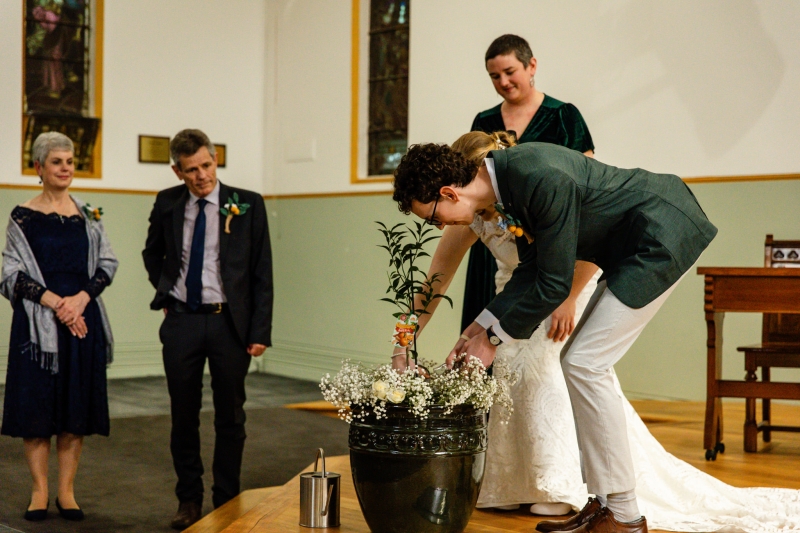
Planting a tree in the middle of their ceremony. Photographer: Elise Mezner Photography
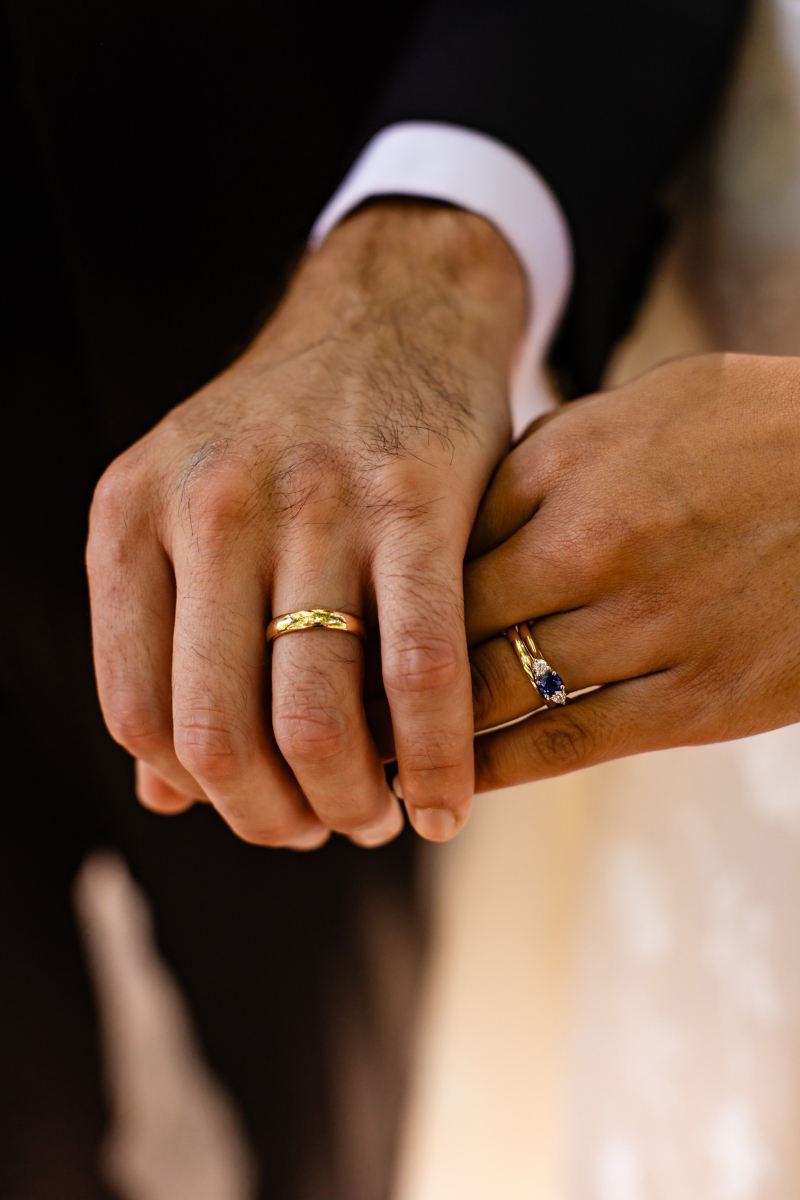
Photographer: Elise Mezner Photography
My husband and I have this mantra that we have carried throughout our nearly 10 year married life so far: that marriage is like a river, something that is always changing and ain’t too much to love. It seems rare to see longevity in a marriage and when it is seen, it should be celebrated. The dictionary definition of sustainable states, being able to continue over a period of time; that is what a sustainable wedding should encapsulate, a sustainable marriage first and foremost. To me, I think this is the most important aspect of having a truly ethical and sustainable wedding.
About the author: Elise Mezner is a wedding photographer based in Australia with a decade of experience capturing couples who want their day to reflect their values. She is also a History teacher and Sustainability Coordinator, a Fairtrade advocate, and someone who genuinely walks the talk. You can find her work at elisemeznerphotography.com.au


Join the conversation