
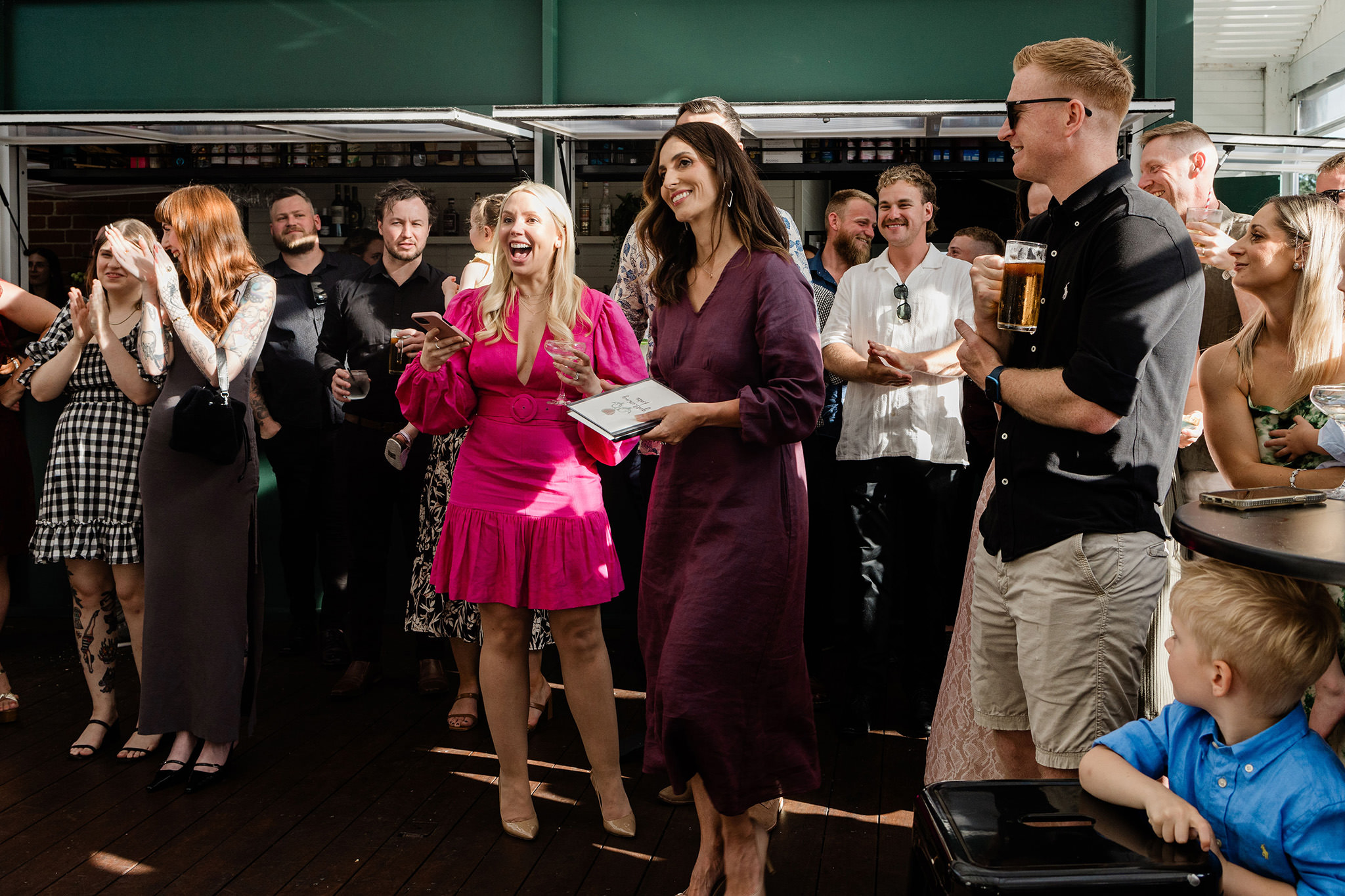
Kate Cadet of Gathering Kate has spent her career as a celebrant watching the way couples approach marriage change in real time. Not the big cultural shifts that make the news, but the quieter ones, the conversations in the lead-up to a ceremony, the things couples ask for and the things they’ve stopped asking for altogether. Here, she reflects on what the data says about modern love in Australia, and what it actually looks like from where she stands.
There was a time when weddings followed a familiar sequence: meet, fall in love, get engaged, marry. A neat arc. A recognisable script. But modern love in Australia doesn’t follow scripts anymore.
And perhaps the most interesting part? Couples aren’t losing something in that shift. They’re gaining clarity, intention, and a deeper sense of ownership over what marriage actually means.
Research from the Australian Institute of Family Studies shows that relationships today are increasingly shaped by lived experience rather than tradition alone. And nowhere is that more visible than in how couples are choosing to marry.
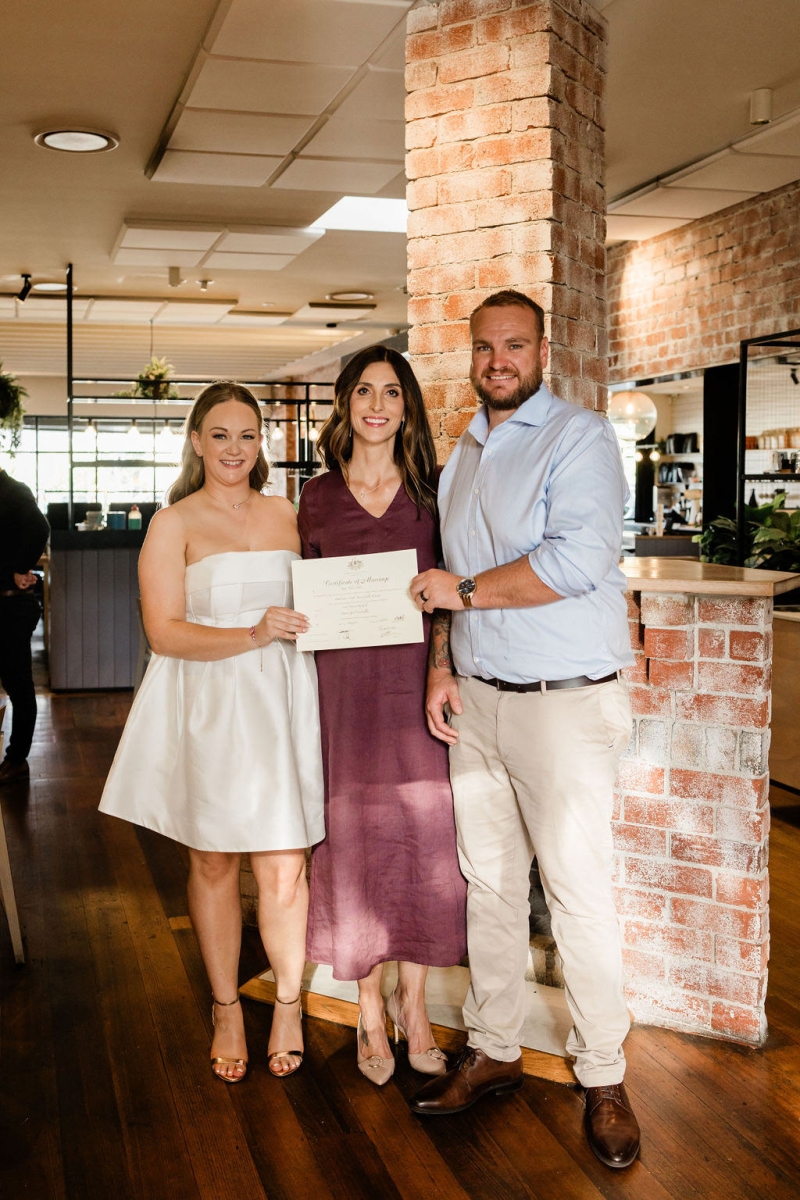
One of the clearest indicators of this shift is cohabitation. Around 80% of couples now live together before marriage. By the time they reach the wedding day, they are not stepping into something unknown, they are formalising something already fully lived. This reframes the ceremony entirely. It is no longer a beginning in the traditional sense, but an acknowledgement of what has already been built in everyday life: shared routines, shared responsibilities, and the quiet rhythm of partnership.
Australians are also marrying later than ever, with the median age now sitting between 30 and 32 years. That additional time often brings something invaluable into relationships: perspective. A clearer understanding of self, of values, and of what it means to choose someone as a life partner.
Yet despite these shifts, marriage has not diminished in meaning. Australia continues to see around 4-5 marriages per 1,000 people. The difference today is not whether people marry, but why they do. Increasingly, it is a choice made with intention rather than expectation.
This is perhaps most evident in the rise of civil ceremonies, which now account for approximately 77-80% of marriages in Australia. Couples are moving away from prescribed formats and towards ceremonies that reflect their own values, stories, and ways of being together. As a celebrant, this is one of the most meaningful shifts to witness. Couples are no longer asking for “how a ceremony should go.” They are asking for something that feels like them.
In the conversations I have with couples, the focus is rarely on tradition for tradition’s sake. It’s on how their relationship actually works, the small, everyday ways they support each other, and what they want that to look like into the future. The ceremony becomes a way of giving language to something they already understand, but may not have paused to articulate.
Modern relationships are rarely linear. Many couples arrive at marriage having already navigated blended families, previous relationships, long-term partnerships, or intentional decisions about what family looks like for them. Around one in three marriages now involves someone who has been married before, further reflecting the layered reality of modern connection.
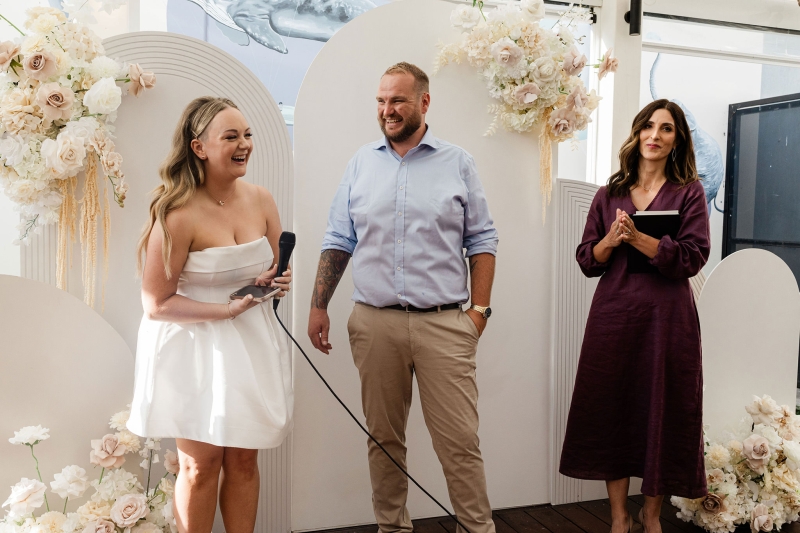
What emerges from all of this is not a dilution of tradition, but a redefinition of it. Commitment has become more conscious. Weddings have become more personal. And ceremonies have evolved into something far more meaningful than formality. They are now moments of recognition. A pause in the everyday where two people acknowledge not just how they met, but how they have already chosen each other in ways that rarely appear in speeches, photographs, or highlight reels, but define everything underneath them.
The most powerful ceremonies today are not the most elaborate. They are the most honest. They reflect real relationships, not idealised ones. Couples are not abandoning tradition. They are refining it. Shaping it. Making it their own.
For those of us who stand beside them as celebrants, it is a privilege to witness that shift, and to help translate it into ceremonies that feel grounded, personal, and deeply reflective of real life. Because modern love in Australia is not less committed than before. It is simply more conscious of itself. And that changes everything about how we celebrate it.
References
Australian Institute of Family Studies
- Marriages in Australia
- Couple relationships in Australia today
Key data referenced:
- 80% cohabitation before marriage
- 77-80% civil ceremonies
- Median age at marriage: 30–32 years
- 1 in 3 marriages involve remarriage
- 4-5 marriages per 1,000 people annually
About the author: Kate Cadet is a wedding celebrant known for creating thoughtful, personal ceremonies that reflect modern relationships. She works with couples across Australia and shares insights on love and marriage at gatheringkate.com.au and via her Substack, Love Gathered.


Join the conversation