
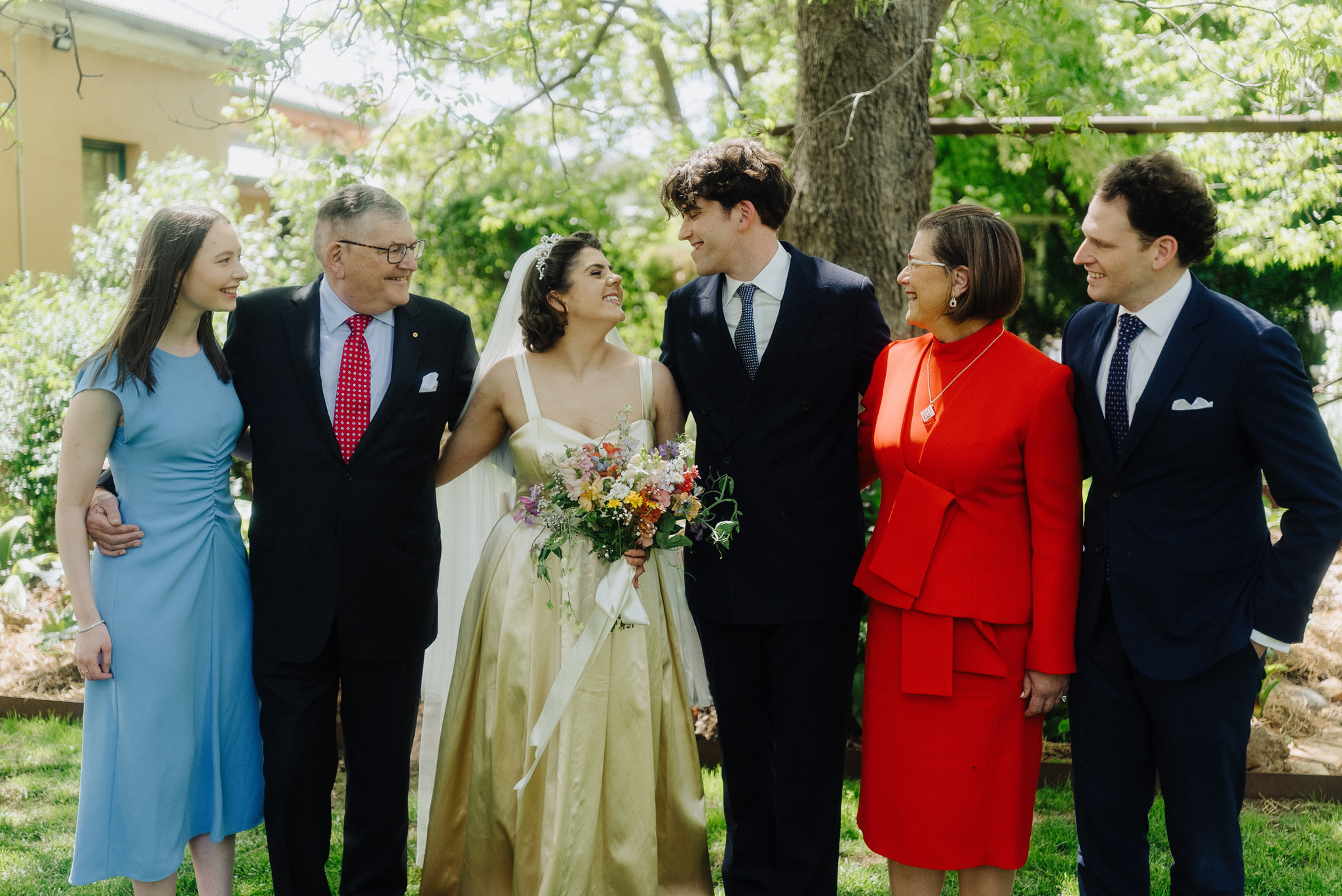
We were recently honoured to have Annie share the story of her and Bobby’s beautiful wedding with us. Alongside all the joy and colour, Annie also shared today’s moving piece about what it meant to plan a wedding while her father-in-law, Stu, was unwell, and the lessons she and Bobby learned along the way. It’s a story that reminds us that weddings are never just about one moment. They hold all the bittersweet and beautiful parts of life at once.
“We can get married next week if we need to, my Noni can fly down, and we can fast-track the license. We won’t get married without your dad there.”
These were the words I found myself saying to my then-fiancé Bobby last May, when we received the news that his father Stu had been diagnosed with a terminal brain tumour. We were five months away from our November wedding date, with Bobby’s brother Andrew scheduled to marry his fiancée just six weeks after us in December.
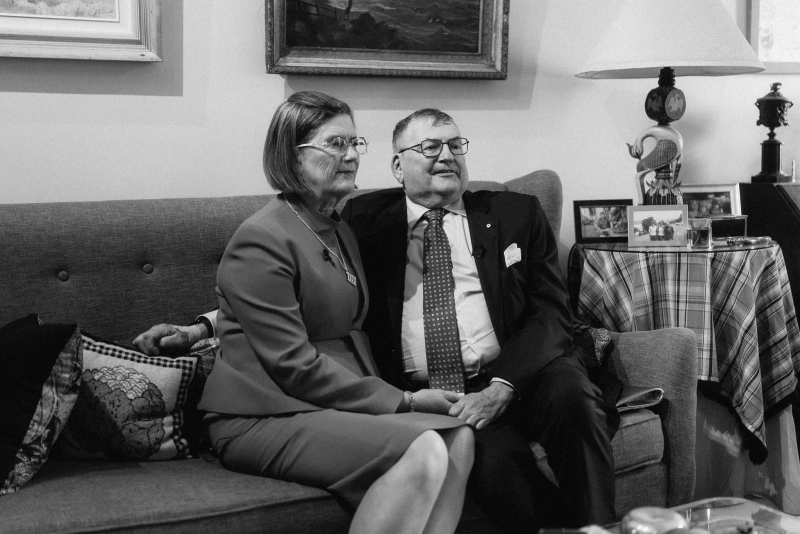
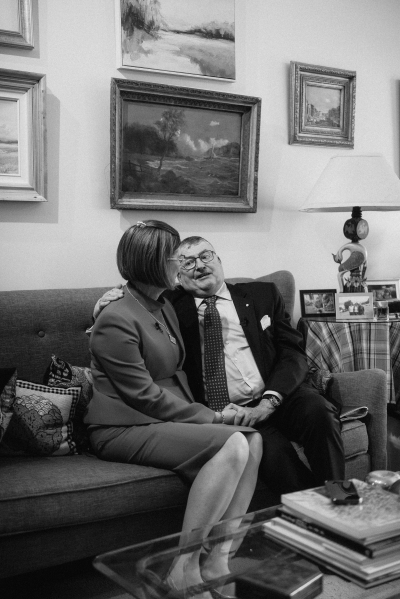
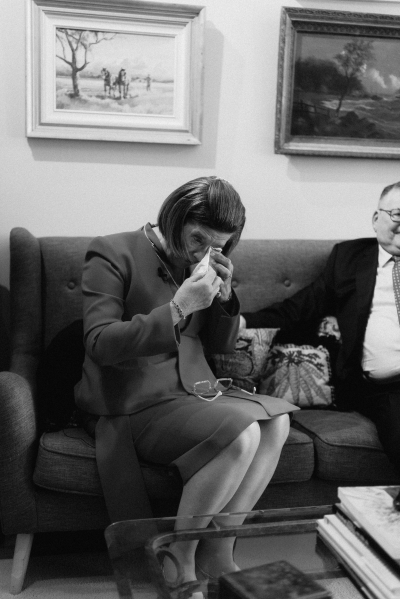
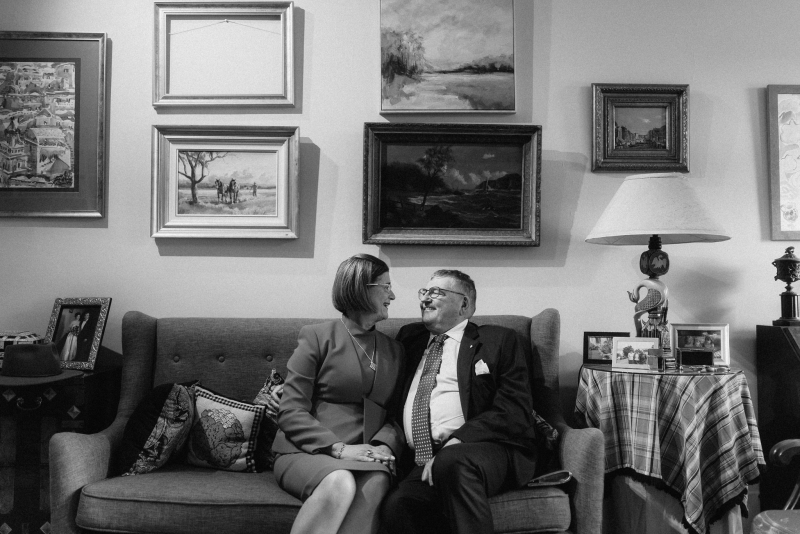
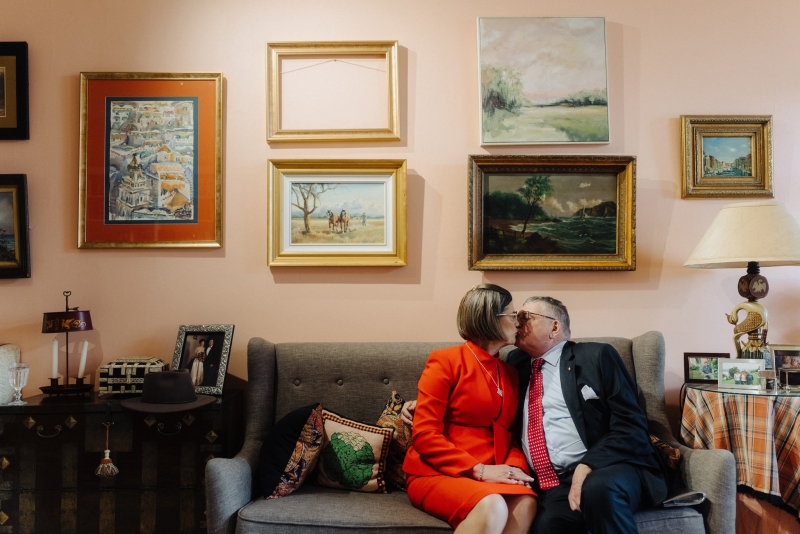
In an instant, our wedding planning shifted from discussions of colour schemes and guest lists to treatment schedules and contingency plans. The diagnosis changed everything – and nothing – all at once. We still wanted our wedding day, but now it carried additional weight: the urgency of creating memories that would last beyond Stu’s illness.
At the time, I scoured the internet for advice on how to adapt a wedding day for a circumstance like ours. I found lots of articles about how to commemorate a loved one who has been lost, but not many about planning when someone is undergoing treatment for an illness. It would have been invaluable then, and that’s why we have written this., It’s our hope that it may be useful to someone else.
While most couples consult venue availability calendars and weather forecasts, we found ourselves coordinating with oncologists and treatment protocols. Bobby’s mother, Narelle, became our liaison with the medical team.
“The doctor has planned everything around the boys’ weddings,” she would tell us repeatedly. “All the treatments have been spaced to make sure he’s as well as possible on each day.”
This medical timeline became our new wedding planner. We learned to be flexible with vendor meetings, understanding that a good day with Stu took precedence over meal tastings or floral arrangements. The usual wedding stress seemed trivial by comparison.
When faced with decisions, we’d ask ourselves: “Will this matter in the long run? Will this help create memories with our families?” These questions became our guiding principles, helping us cut through the wedding industry noise to focus on what truly mattered.
“We’re going to capture this day from every possible angle,” I told Bobby as we expanded our photography and videography budget beyond what we’d initially planned.
We had already hired Fable Films for professional video and photography, but we added content creator Jill for behind-the-scenes moments, placed disposable cameras on reception tables, asked a friend to carry an Instax for immediate memories, and we even encouraged Stu to bring his camera to take photos when he felt up to it.
We were straightforward about our situation to our vendors. “We need you to be especially attentive to father-son moments,” we explained. “Even the quiet ones that might normally go uncaptured.” We created detailed shot lists that included moments like Stu helping Bobby with his tie and casual family conversations during downtime.
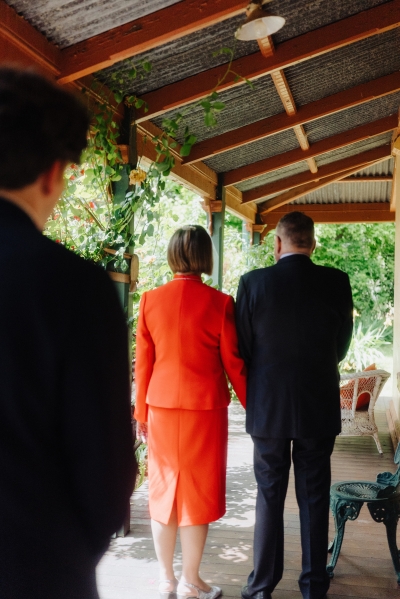
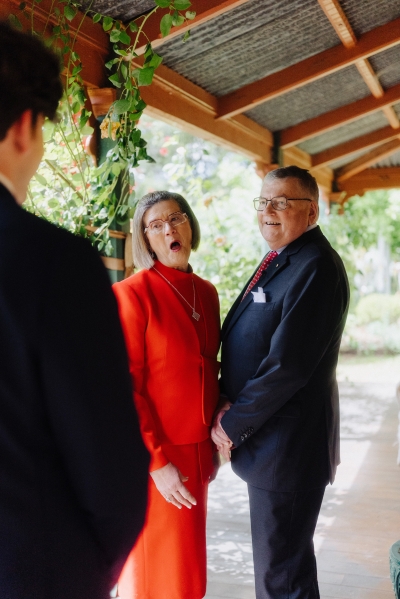
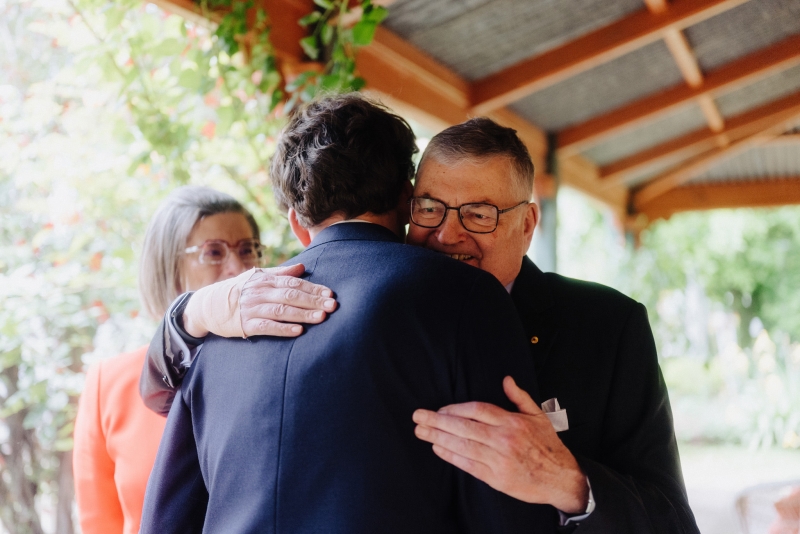
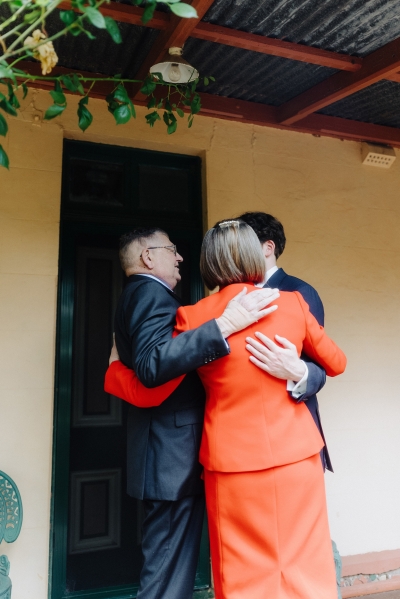

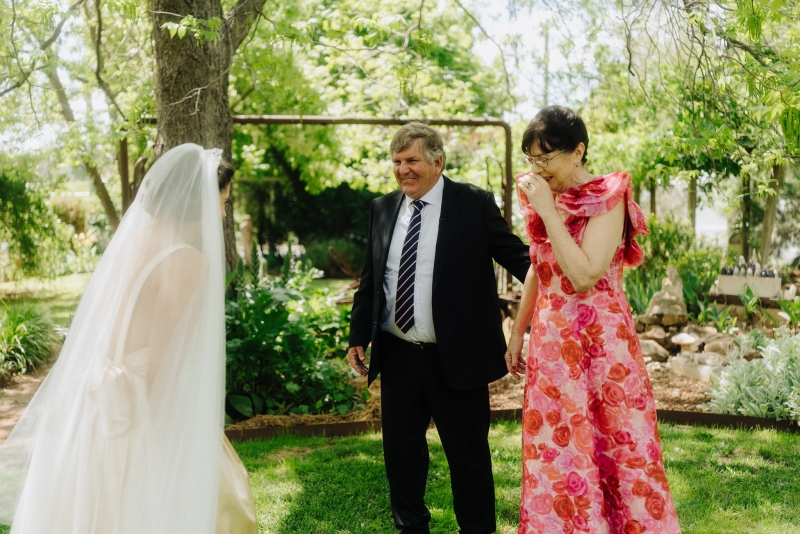
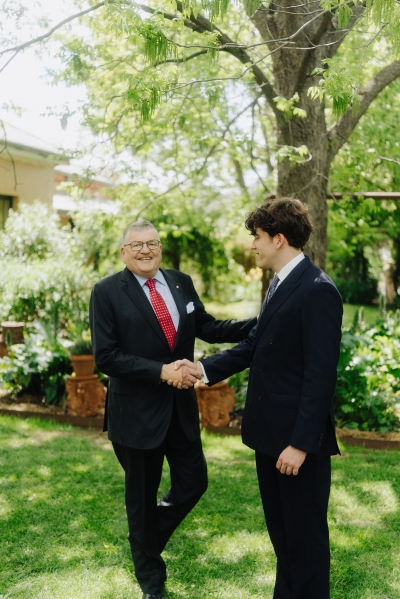

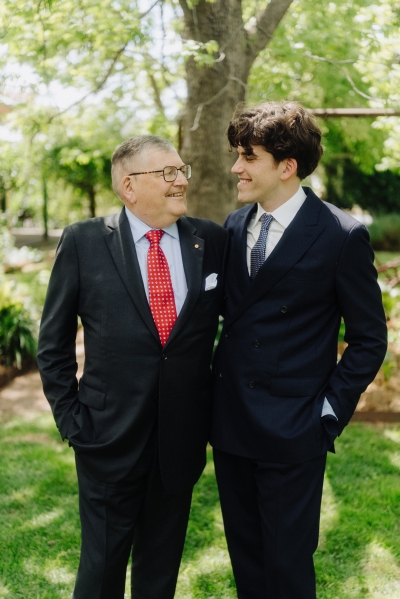
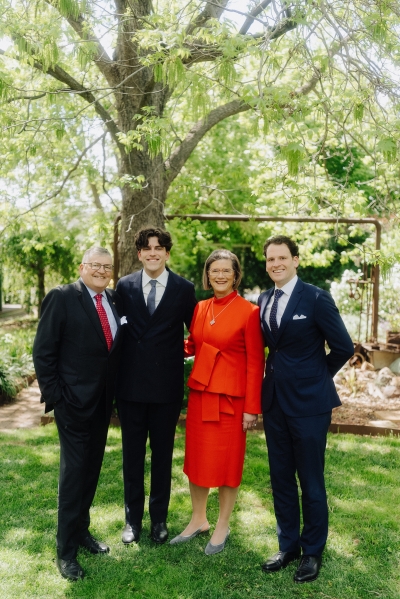
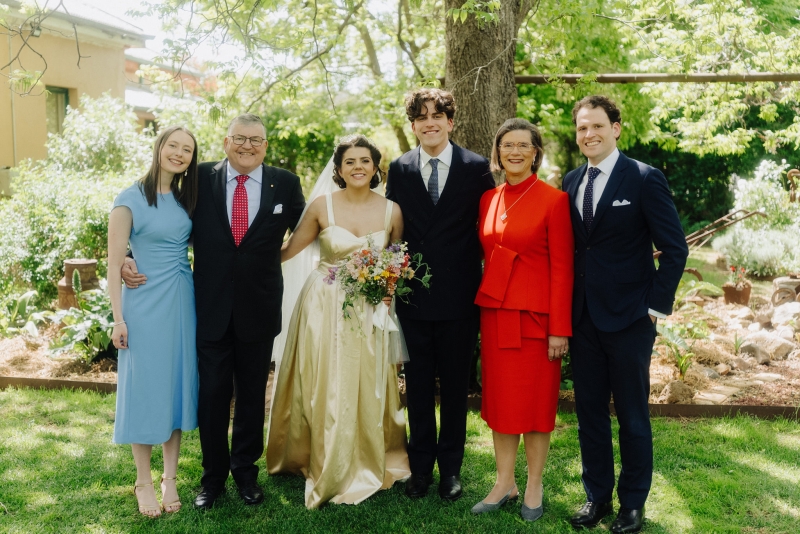
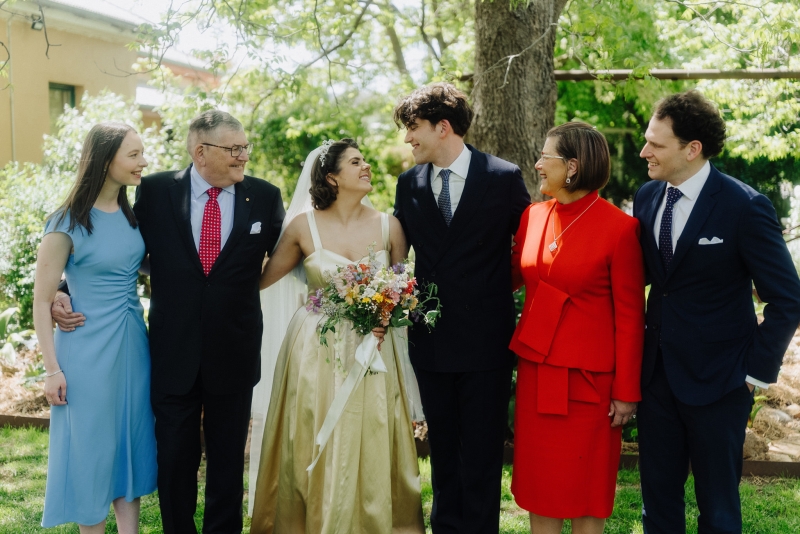
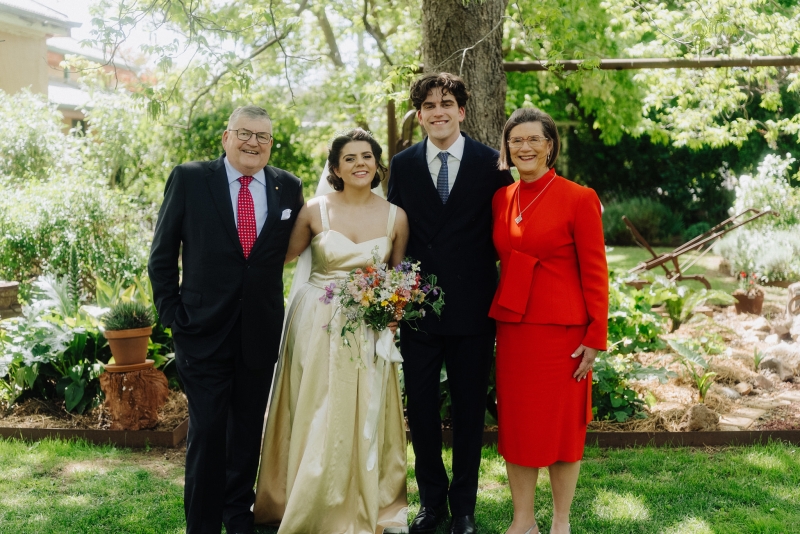
One of our most heartbreaking realisations was that Stu didn’t feel up to giving a reception speech, so we found alternative ways to preserve his thoughts and wishes for us on film. Fable Films nailed the assignment when we requested sit-down interviews with our parents during the getting-ready hours and integrated some of what Stu said into our wedding film. These documented moments have already become invaluable, giving us perspectives of the day we couldn’t have experienced firsthand.
The wedding industry’s focus on the bride became starkly apparent as we planned. The traditional emotional moments – first looks with parents, walking down the aisle, parent dances – are typically centred around the bride’s experience.
“I should have these moments too,” Bobby insisted to me. “Especially with dad.”
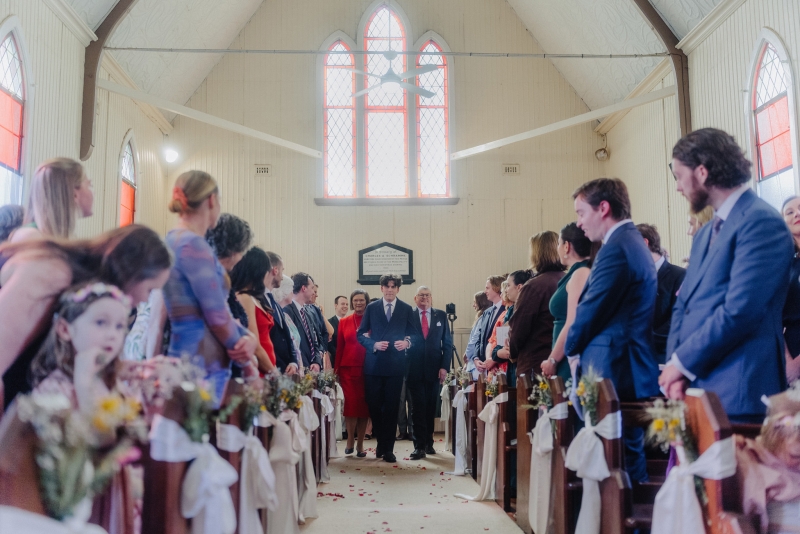
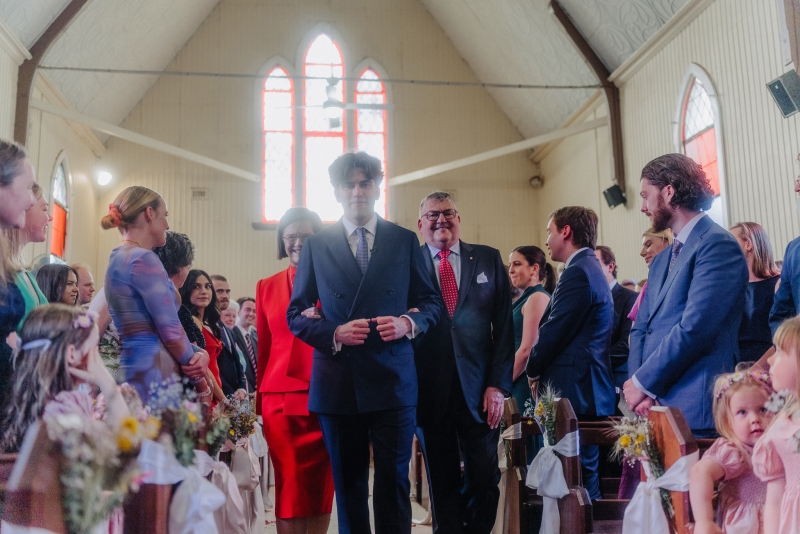
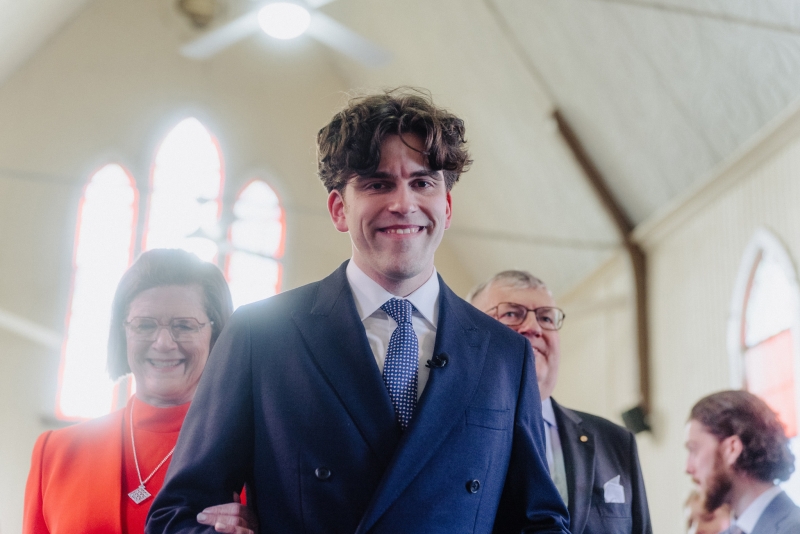
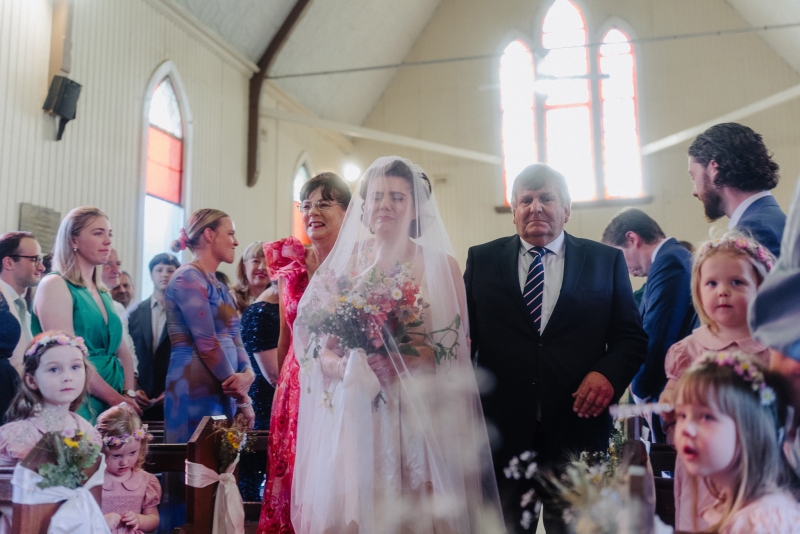
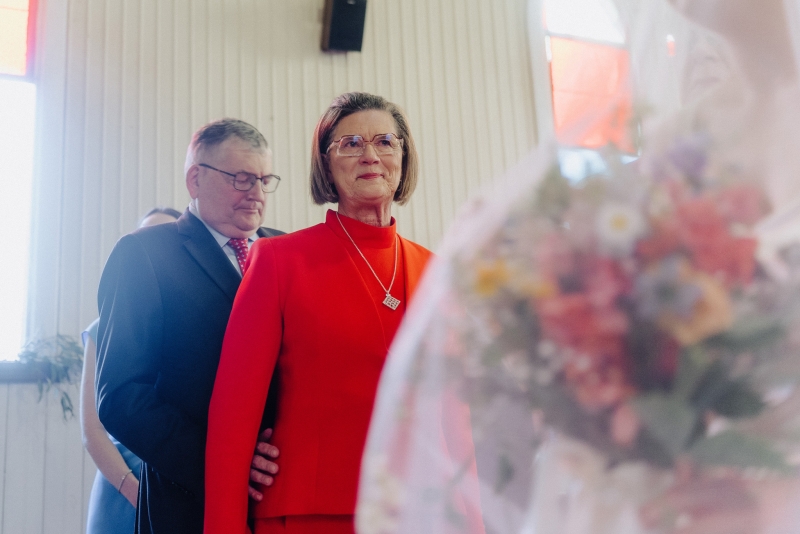
We arranged for Bobby and his parents to walk down the aisle together to a meaningful song, “Suzanne” by Leonard Cohen, just as I would later do with my parents to “Stand By Me”. Fable captured the surprised and moved expressions of our guests – a departure from tradition that became one of the day’s most cherished sequences.
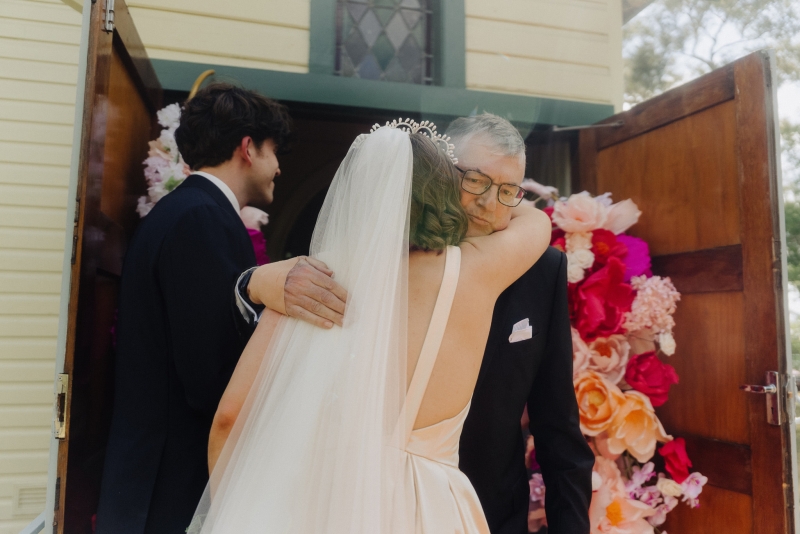
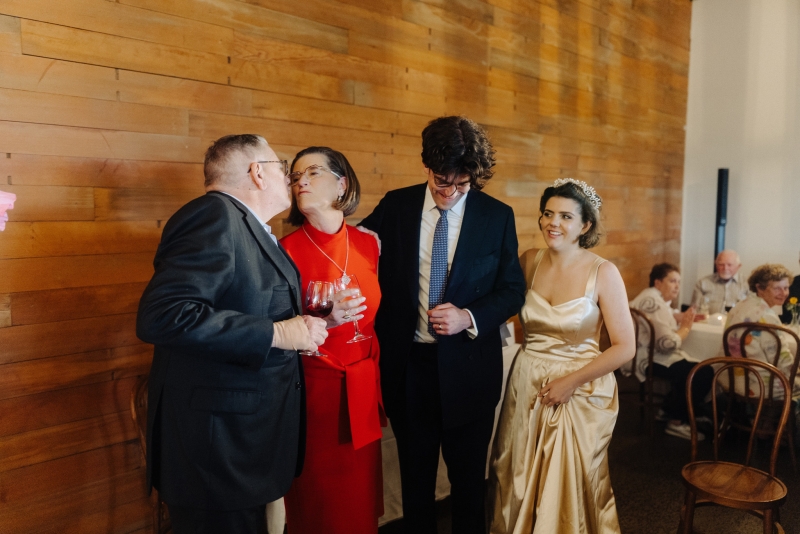
We also scheduled first looks for both of us with our parents, creating private moments for emotions to flow freely before the ceremony began. These symmetrical traditions acknowledged that both families were experiencing profound emotions that deserved equal space and recognition.
Wedding planning is emotional under normal circumstances. Planning while watching a parent face terminal illness requires a different kind of emotional management altogether.
Tasks that should have been straightforward often took weeks. Finalising the ceremony with our Reverend, which typically is brief, stretched across multiple tearful meetings and emails. Creating photo lists would trigger worries about what moments we might miss. Suit shopping with his dad left Bobby in tears afterwards.
“We need to build crying time into our schedule,” I said one evening. It became our half-joking, wholly serious approach to planning. We learned to anticipate the emotional landmines and give ourselves permission to navigate them without rushing.
Not pushing these feelings aside actually made room for genuine joy to emerge alongside them. Our wedding was not a day free from sadness, but rather a day where love was big enough to hold all our complex emotions.
The practical demands of wedding planning, coupled with supporting Stu and Narelle through treatment, meant self-care often fell to the bottom of our priority list. We learned the hard way that neglecting our own wellbeing only diminished our ability to be present for both the celebration and the caregiving.
We instituted non-negotiable breaks from wedding planning – entire evenings where talk of centrepieces and seating charts was banned. On particularly difficult days, we gave each other permission for one of us to step away from responsibilities without guilt.
Perhaps the most challenging aspect was navigating the emotional terrain of a day that was simultaneously joyful and shadowed by illness. We wanted to celebrate our love without pretending away the reality of Stu’s diagnosis, but we also didn’t want grief to overshadow the celebration.
We communicated openly with our guests through personal conversations, letting them know that tears might mingle with laughter throughout the day. This transparency gave everyone permission to experience the full emotional spectrum alongside us.
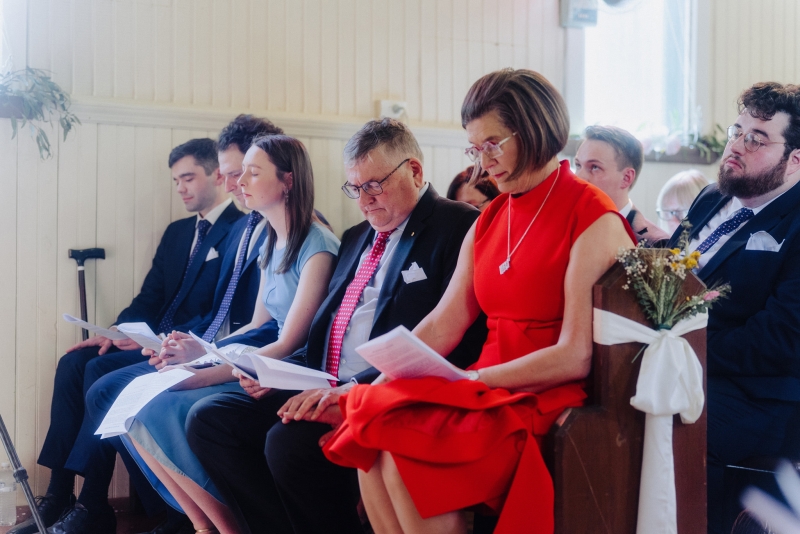
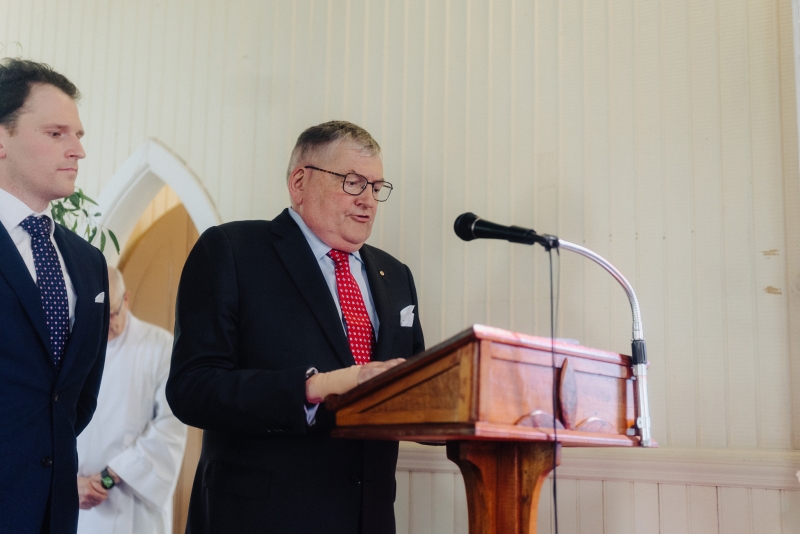
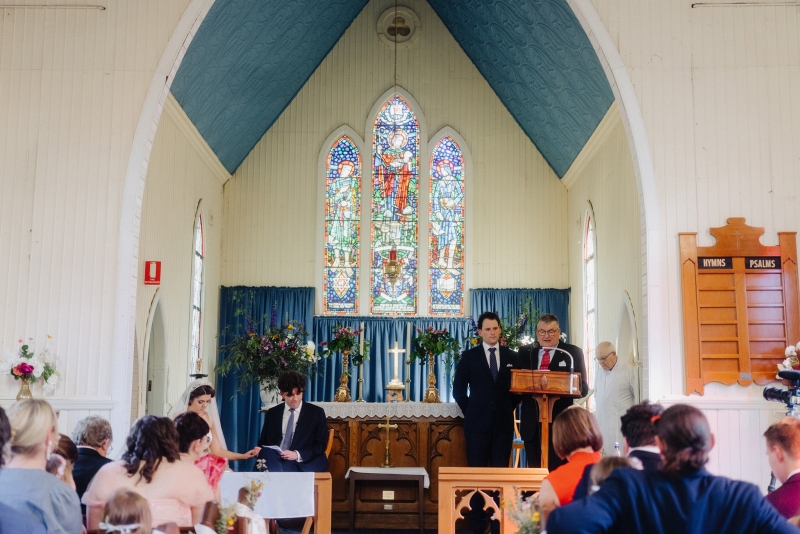
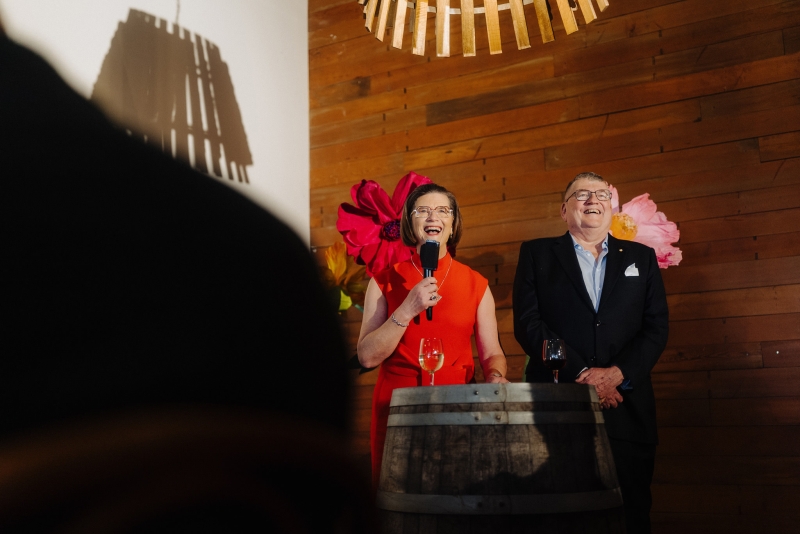
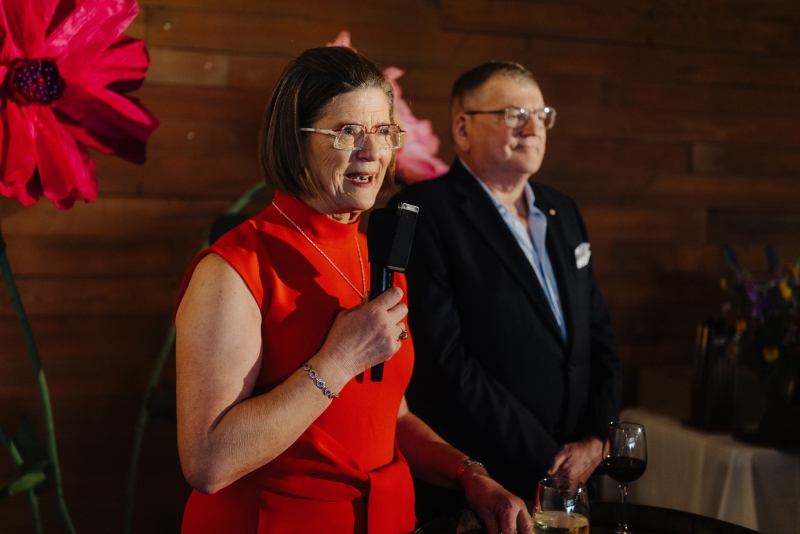
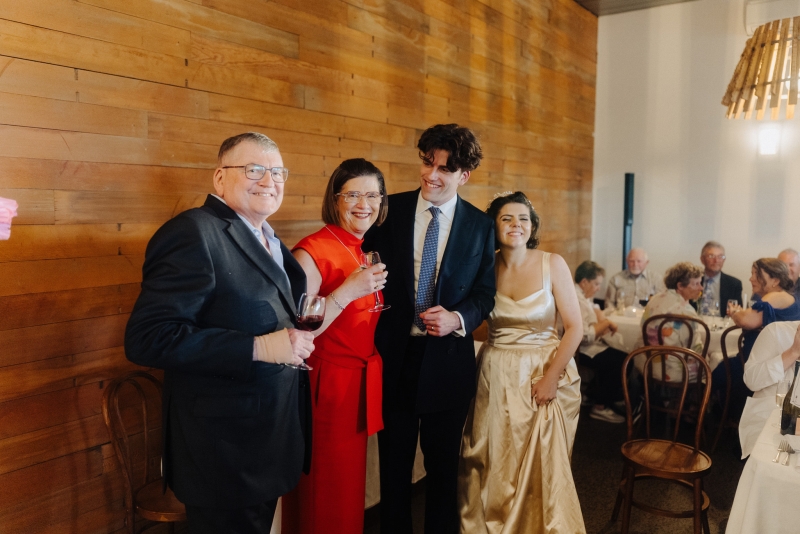
At the ceremony, Stu said a short prayer for us, with Bobby’s brother standing next to him, ready to take over if the need arose. At the reception, we incorporated subtle acknowledgments of our circumstances while maintaining a celebratory atmosphere. Bobby and I recognised the effort made by both sets of parents to create this day in our speeches.
We also want to mention that Bobby’s brother chose to include Stu by having him be the signatory on their marriage license and asking him to say grace before we started dinner at their reception. We all found our own balance not by compartmentalising joy and sorrow, but by allowing them to coexist.
Like many couples, we weren’t always perfect in our wedding planning process. Through our experience and the subsequent wedding of Bobby’s brother six weeks later, we learned invaluable lessons about managing such complex circumstances:
Over-communicate.
We should have sent follow-up emails after every verbal conversation about important details, especially regarding the ceremony, family photos and schedule changes.
Designate advocates.
We appointed trusted family and friends to serve as point people for both Stu’s needs and our own throughout the day, allowing everyone to be fully present.
Create buffer time.
Our timeline included intentional breaks that could accommodate both medical needs and emotional moments without derailing the schedule.
Trust your community.
When friends and family asked how they could help, we learned to give them specific tasks rather than the standard “we’re fine” response. I expect many people would be surprised at how much their loved ones want to show up and help.
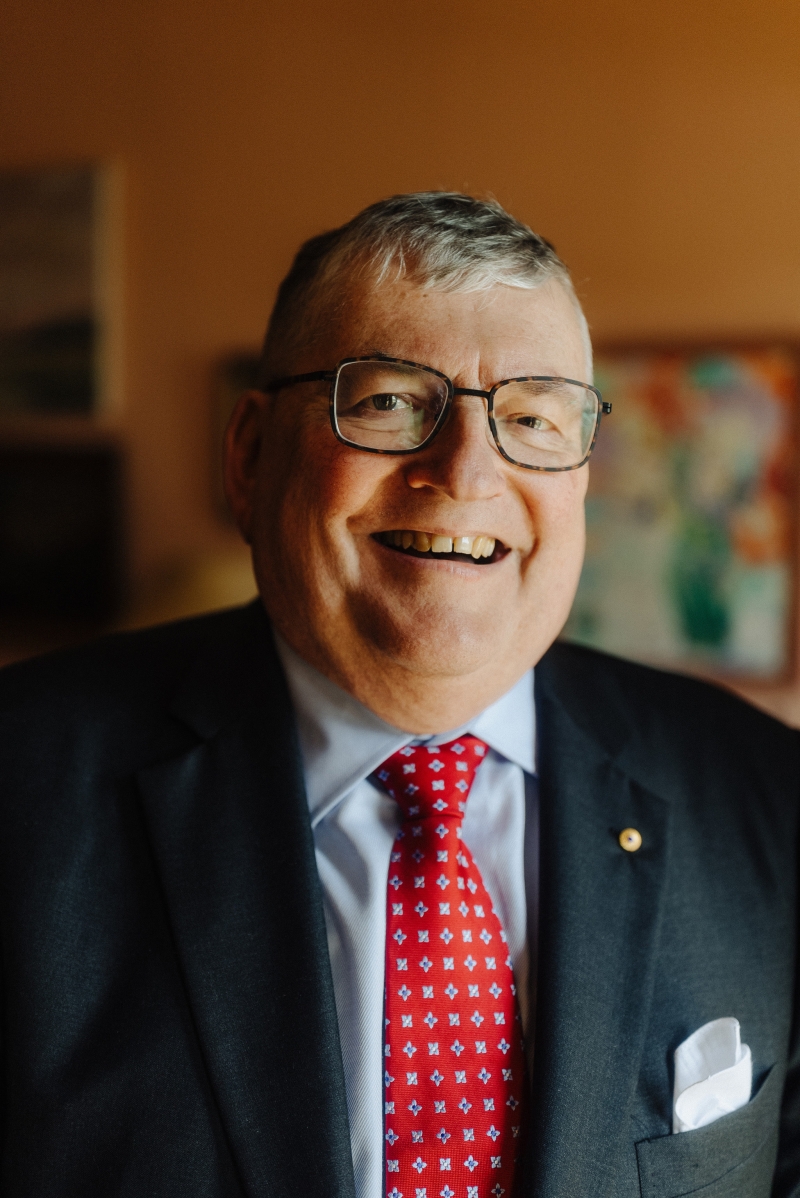
In retrospect, our wedding became something more profound than we had originally envisioned. It wasn’t just the beginning of our marriage, but a powerful demonstration of how love expands to meet life’s most challenging circumstances.
The diagnosis changed our wedding plans, certainly. But it also clarified what matters most: being fully present with the people we love for whatever time we have together.
And that, perhaps, is the truest purpose of a wedding day.




What a moving and yet joyful story with so much great advice that you’ve shared. Including your guests and family in the emotions the day bought, honoured not only your family but also the guests.