
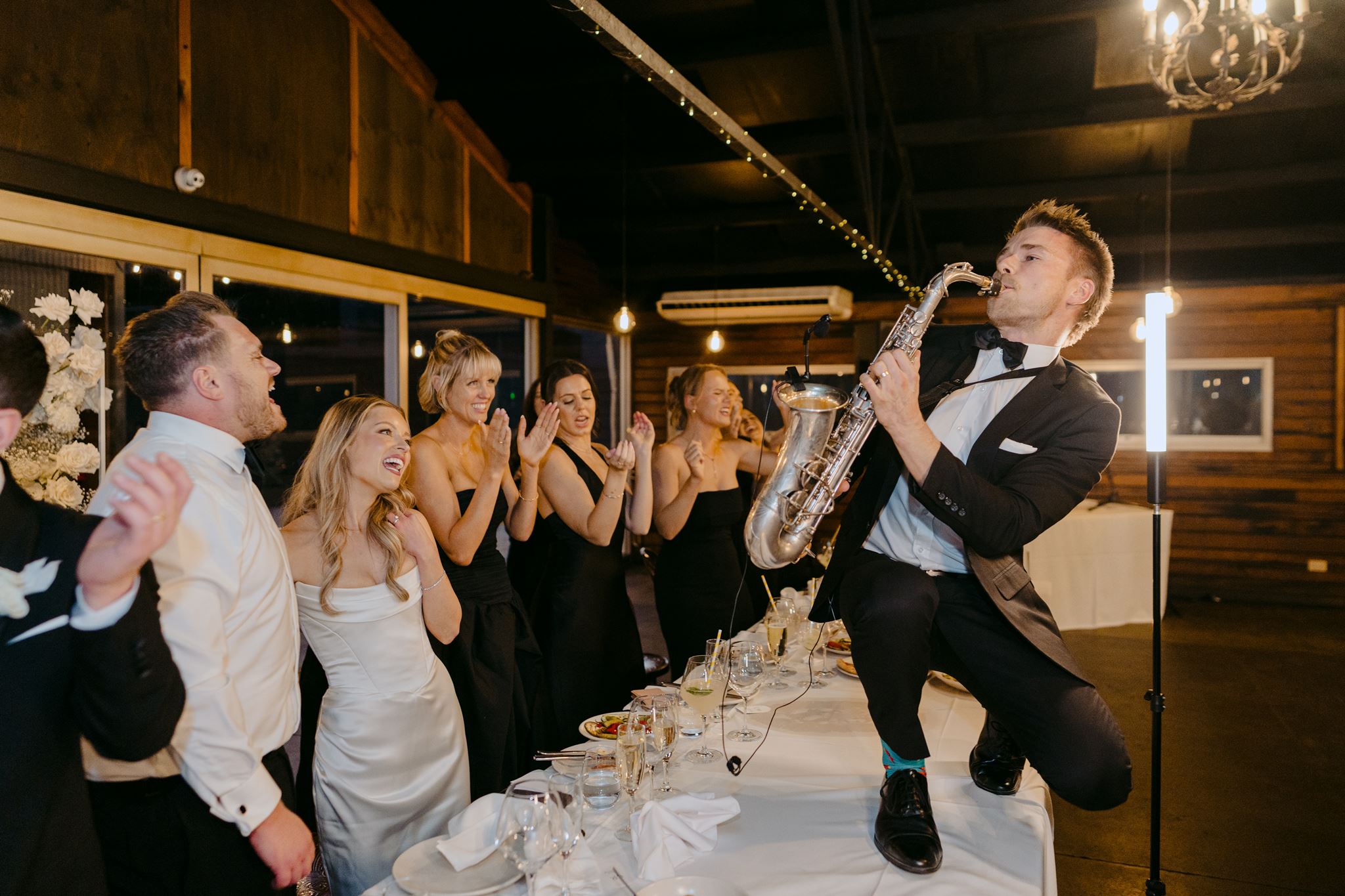
Our Australian Wedding Budget Series continues, and today we’re talking entertainment. It might feel like an afterthought, but the right entertainment can bring your whole day together.
It’s the musicians playing as the doors open and one of you walks down the aisle. It’s the energy that kicks off cocktail hour. It’s the finely tuned reading of the room that keeps your dance floor packed and the night feeling like the celebration you deserve.
And, as with every wedding vendor expense, it comes down to priorities. Some couples would rather spend less on florals and more on a band that keeps the room moving until midnight. Others are happy with a great playlist and a single acoustic musician for the ceremony. Neither approach is wrong. Knowing where good music sits on your list before you start getting quotes will save you plenty of second-guessing later and help you make better decisions.
But with so many options, how do you know what to spend? What’s included? What’s not? What’s the ballpark?
We were lucky enough to have eleven different entertainment pros from across Australia contribute to this guide; from DJs and live bands to acoustic musicians and the agencies that represent them.
A big thank you to: Serge of DJ:Plus! Entertainment, Jono of Tubbzmix Entertainment, Baker Boys Band, Melbourne Entertainment Company, Aleks and Eddy from One More Song, Josh of Married to the Groove, Jordyn of Hey Jack!, Wendy of Wendybird Music, Ryan and Amelia of Paper Hearts, Josephine of Event Entertainers, and Alex of Unity Entertainment.
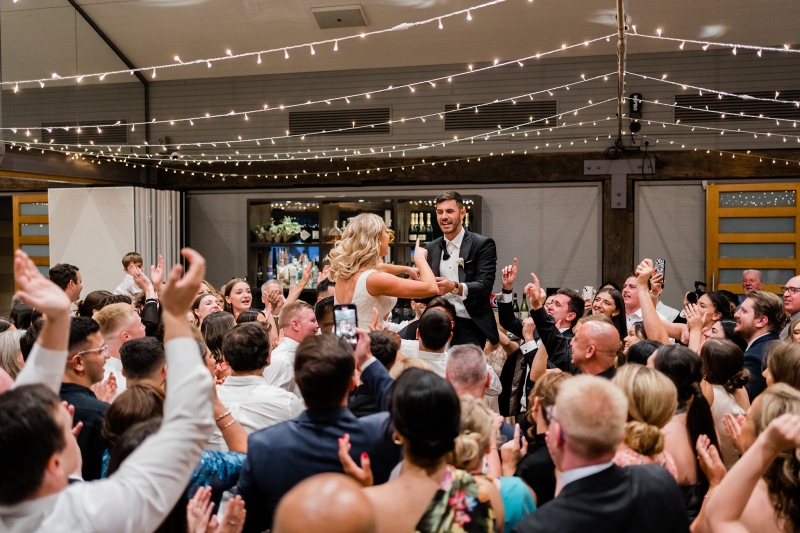
Entertainment: DJ: Plus! Entertainment, Photographer: Captured Frames
Where to Start When Setting Your Wedding Entertainment Budget
Before you look at a single quote, get clear on where entertainment sits among your priorities. Is it the thing you’d spend more on than almost anything else, or do you simply want it covered well without letting it dominate the budget? What vibe are you after? Your answers will shape everything: the kind of act you book, how much of your day you want covered, and whether you want a DJ who reads the room or a live band that commands it.
Entertainment can span more of your day than most couples realise. Ceremony, cocktail hour, and reception all call for different energy, setups, and often different formats. Budgeting for a solo musician and a DJ will land in a very different place from budgeting for a live band across the full day. One contributor put it well: “Music sets the tone for everything, so your budget should start with feeling, not numbers. Think about the atmosphere you want, how much of the day you want covered, and whether you’re after something simple and understated or a full-scale experience.”
Entertainment also doesn’t scale in the same way catering does. A great DJ costs roughly the same whether you have fifty guests or a hundred and fifty, so thinking in percentages only gets you so far. Decide what kind of night you want, then build the budget around it.
It’s also worth thinking about your guests early. Who is coming? What will resonate with them? As one contributor put it: “What is the demographic of guests in attendance? What style of music do you like, but also do your guests like?” A crowd that spans three generations needs different consideration from a group of thirty-somethings who all want to dance until midnight.
Before you start getting quotes, do a little research to understand the average price range for each category. As one contributor put it: “Weigh up what the priorities are for you versus how much money you have in the budget.” Having some context makes every conversation with a vendor more productive.
Finally, personality matters as much as the portfolio in an industry built around trust and timing. One contributor put it plainly: “It can be tempting to organise your entire wedding by email, but you learn so much more about a person by meeting with them. There are no do-overs for weddings. You get one shot, and you need to get it right.”
How Much of Your Budget Should You Allocate to Wedding Entertainment?
So what does all of that mean in dollars?
Most contributors put the figure somewhere between five and fifteen percent of your total wedding budget. “A typical guideline is around eight to twelve percent,” said one. “For couples who prioritise a packed dancefloor and overall guest experience, this can increase to fifteen percent or more.”
Others pushed further. “If you want a party people rave about for years, aim for ten to fifteen percent,” said one contributor. “If you’re all-in on fun and energy, twenty percent is the sweet spot. That’s what I personally spent on my own wedding, and I’d do it again in a heartbeat.”
If a fun atmosphere matters more to you than the aesthetic of your wedding, entertainment should rank among your biggest investments. As one contributor put it: “The right entertainment will shift the entire mood of the day.”
A few contributors took a more practical view. “I don’t love this way of phrasing the question because entertainment doesn’t really scale until you have a lot of guests,” noted one DJ. “Good entertainment will cost pretty much the same for a fifty-person wedding as it will for a hundred and fifty.”
Most contributors agreed on one thing: treat music as a priority, not an afterthought. As one put it: “Music is basically the emotional glue of the whole party. It brings everyone together.” Couples who look back and wish they had spent differently often wish they had spent more here. Prioritise good music.
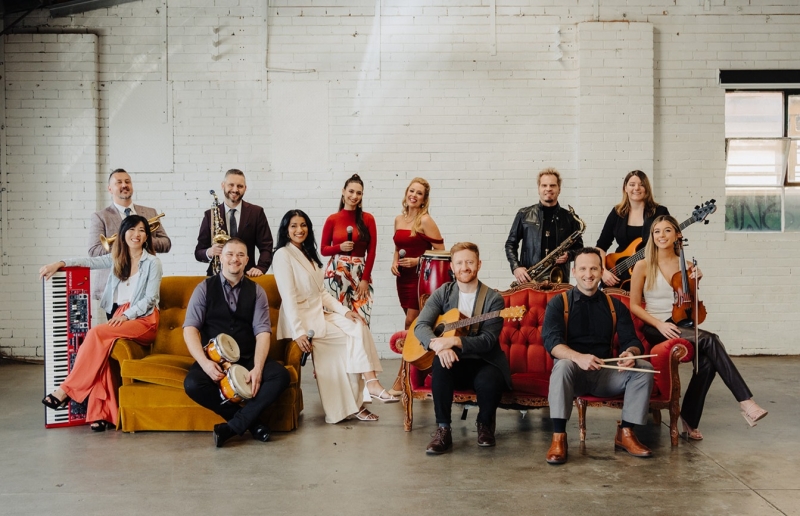
Entertainment: Baker Boys Band, Photographer: Baker Boys Creative
What Does Wedding Entertainment Actually Cost in Australia?
Wedding entertainment pricing in Australia varies widely, and the gap between the lowest and highest quotes does not always come down to quality. Experience, inclusions, format, and how much of your day you want covered all shape the final number.
It’s also worth noting that these figures skew towards Victoria and New South Wales, where most of our contributors are based. Treat them as a useful reference point rather than a national picture.
For a wedding in 2026, our contributors gave the following ranges:
A wedding DJ for the reception: $1,200 to $3,000 or more for most bookings, with the average sitting around $1,500 to $1,600 for a standard five-hour reception. One contributor was direct about what that range actually means: “You can pick up a random Facebook DJ for $600, but if we’re talking about wedding-focused DJs, $2,500 to $5,000 is probably about right.”
A ceremony musician, solo or duo: $300 to $2,500 depending on the performer, the format, and how long they play.
A live band for the reception: $2,500 to $7,000 for most acts, with larger or more established ensembles sitting above that. As one contributor put it simply: “Band size is the biggest factor in the price.”
A DJ and saxophone combination: $2,000 to $5,000, depending on configuration.
A professional MC booked separately: $700 to $2,000. If your DJ also feels comfortable on the mic, adding MC duties to their booking often costs less than hiring a standalone MC and can work just as well.
Across all of the options, the range remains significant. Experience, demand, package inclusions, and the amount of coverage you need all shape the final quote.
And entertainment goes well beyond DJs, bands and musicians. Singing waiters, caricaturists, live painters, fire performers, circus acts and interactive games can all bring something different to your day. Some couples weave them through the whole celebration, while others save them for a late-night surprise. Ask your entertainment provider what’s possible before you assume an idea sits outside your budget.
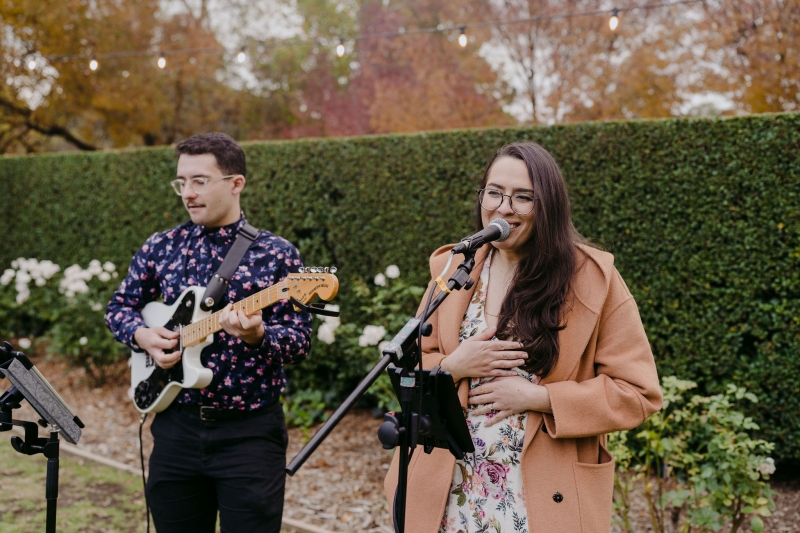
Entertainment: Wendybird Music, Photographer: Michael Briggs Photography
What Is Included in a Typical Wedding Entertainment Package?
Inclusions vary significantly between entertainers, which makes comparing quotes on price alone tricky. A lower base fee can look very different once you understand what sits outside it.
Most standard DJ packages include a reception set, professional sound equipment, dance floor lighting, and music planning support in the lead-up. Ceremony coverage, cocktail hour music, MC duties, extended hours, and lighting upgrades often sit outside the standard package. As one contributor explained: “As a general rule, packages include the equipment for one main area, usually the reception, and setup and pack-down time. If you require more than one setup, for example ceremony and reception in separate locations, or extra speakers, there may be additional costs.”
Live band packages usually centre on the reception and cover a set block of time, most commonly three to five hours. Most bands bring their own sound equipment for the space, but larger venues or outdoor setups may require extra production beyond the base quote. As one contributor noted: “More coverage naturally means more time, planning, and coordination.”
For couples wanting live music throughout the day, one contributor shared a popular and cost-effective flow: “A favourite option is a duo for the ceremony, a trio for canapés, and a five-piece band for the reception.” Costs generally rise with the size of the group, so you can build the experience around both your vision and your budget.
One point came up consistently among contributors: the time you see on the quote only represents part of the work. “When you see a two-hour ceremony or five-hour reception on a quote, that is just the on-stage time,” explained one contributor. A ceremony musician booked for an hour will typically spend three to four hours on site once travel, setup, and pack-down enter the equation. A DJ whose reception runs from six until eleven has usually been working since mid-afternoon.
If you’re booking a DJ, most celebrants genuinely appreciate having one on site to handle ceremony music because it lets them focus fully on the ceremony itself. If your celebrant plans to handle their own audio, ask whether having a DJ there would improve the experience for everyone.
Always ask for a full written inclusions list before signing anything. What sounds comprehensive in conversation can look quite different once you read the detail. And, as one contributor put it reassuringly: “There should not be any hidden fees if you’re booking through a reputable and highly regarded wedding entertainment company. They will clearly outline the total cost of your package and all inclusions.”
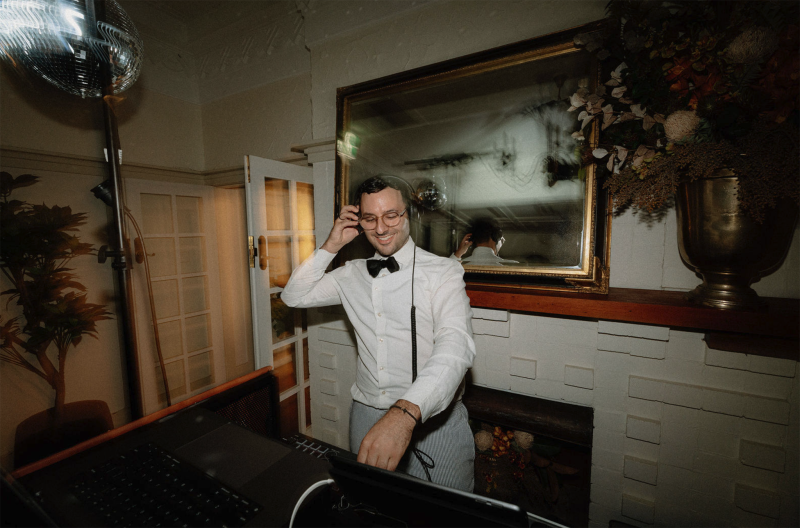
Entertainment: Unity Entertainment, Photographer: Moments Photography
What Affects the Price You Pay for Wedding Entertainment?
Several factors can push your entertainment quote up or down. Understanding them before you start getting quotes means fewer surprises when the numbers arrive.
Date and season
Peak wedding dates, particularly Saturdays in spring and autumn, create high demand across all vendors, including entertainment. Some entertainers hold consistent pricing year-round, giving couples full flexibility to choose a date based on preference rather than cost. Others fluctuate slightly. “Prices do vary slightly depending on demand and availability,” noted one contributor, “but only slightly.” Public holidays can tell a different story. Easter Saturday, for example, can attract penalty rates of double time and a half across setup, performance, and pack-down, with those costs passed on to the couple.
How much of the day you want covered
The amount of coverage you need gives you one of the biggest levers over your entertainment budget, and it catches couples out more often than you might expect. A DJ for the reception alone will cost very differently from a DJ covering ceremony, cocktails, and reception. As one contributor explained: “The duration of the performance directly affects the cost. Entertainers usually charge by the hour, so longer events incur higher fees.” Most packages centre on a standard five-hour reception. Extra hours attract additional charges.
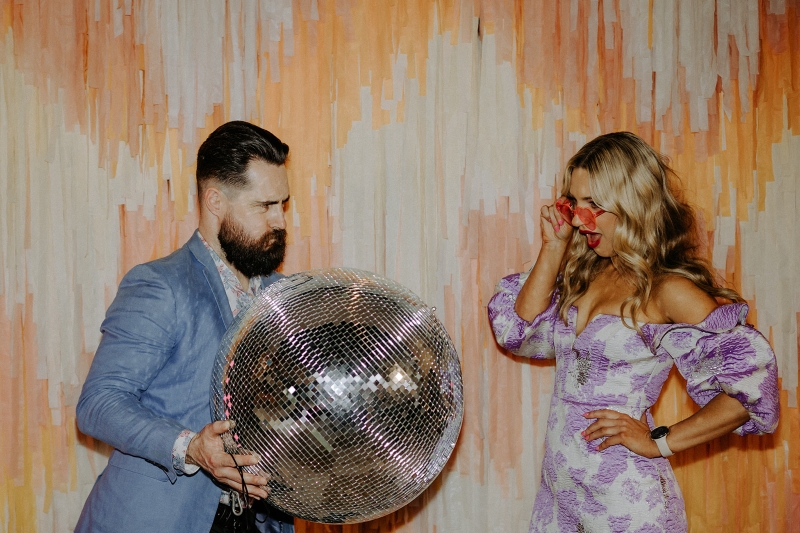
Entertainment: One More Song, Photographer: Caity and Duncan
Venue and logistics
The venue can affect entertainment costs more than many couples expect. CBD locations frequently attract surcharges because of difficult load-in, limited parking, and tight bump-in windows. Larger rooms or outdoor spaces may need additional speakers or production beyond the entertainer’s standard kit. One contributor was frank about it: “I have a surcharge for CBD venues because they typically have a tighter bump-in schedule, less direct load-in, and no onsite parking.”
Before you fall in love with a particular act, check your venue’s sound restrictions. Some venues enforce noise curfews, decibel limits, or space restrictions that can rule out a live band or require alternative equipment. As one contributor warned: “Always check the venue’s sound policies first. It can directly affect the type of music you’re able to have.”
Cultural elements and program complexity
Weddings with cultural traditions, multilingual MC-ing, live drummers, or extended program elements can require more preparation time and additional performers. Share your run sheet and cultural requirements as early as possible. As one contributor put it: “Cultural features like live drummers, singers, or traditional performances mean longer call times and more coordination.” Flag requirements early and get them included in the quote upfront.
Experience and demand
Experienced entertainers with strong reputations command higher rates, and the difference reflects real value. As one contributor explained: “Years of experience, Google reviews, reputation amongst vendors and venues, the availability of DJ samples and video content captured at actual weddings all influence the price. And of course their availability and demand dictates price.” Another put it equally plainly: “Experience in weddings specifically means a higher price point. Playing in a bar or club is very different to the pressures of a wedding.” Entertainers who consistently deliver also tend to fill their calendars first. Book early.
Additional Costs, Add-Ons, and Overlooked Expenses
Getting a quote is one thing. Understanding what sits outside it is another. The budget can quietly grow here.
One contributor summed it up well: “There is so much more than just the performance on the night. Costs include professional-grade equipment, maintenance and backups, insurance, travel, and hours spent planning, preparing, and communicating with couples. There is also setup and pack-down time, which often adds several extra hours to the job.” Understanding what sits outside the base quote means fewer surprises closer to the day.
A few of these deserve a proper explanation.
Multiple setups
If your ceremony, cocktail hour, and reception happen in different locations, even within the same venue, you may need separate sound systems for each space. As one contributor flagged: “One of the biggest overlooked costs is multiple setups and bump-in time. If your ceremony, canapés, and reception are in different locations, it can require separate sound systems and earlier arrival times. That additional labour and equipment is often charged as an add-on, even if it’s the same act performing throughout.”
MC services
MC services rank among the most consistently overlooked costs. Many couples assume their DJ will MC the night as a matter of course, but not every DJ offers the service, and not every DJ excels at it. A good MC does more than make announcements. As one contributor described it: “They help guide the flow of the night, coordinate with vendors, and keep everything running smoothly.” One contributor sees the alternative play out regularly: “About one in three weddings I am booked for DJ-only, a guest is tasked with MC duties, they end up backing out closer to the date and I am enlisted to save the day.” Sorting MC duties early costs far less than fixing the problem late.
Extended hours
Most packages centre on a standard five-hour reception. Going beyond the agreed timeframe costs extra, typically between $150 and $500 per hour depending on the format. Factor the cost in before you set your reception timeline and print your invitations.
Travel and accommodation
Regional or destination weddings often require travel fees, and accommodation may also come into play. Budget between $100 and $400 depending on distance, and allow more for overnight stays. As one contributor noted: “Travel and accommodation can also sneak up, especially for regional venues. Travel fees are fairly standard, but if your location requires early starts or late finishes, accommodation may be required for performers as well.”
Special song requests and custom edits
A first dance mash-up or learning an aisle song does not happen automatically. Custom edits require studio time and typically cost between $200 and $400. Learning a new song for a live musician adds $100 to $300 depending on complexity. Allow time as well as budget.
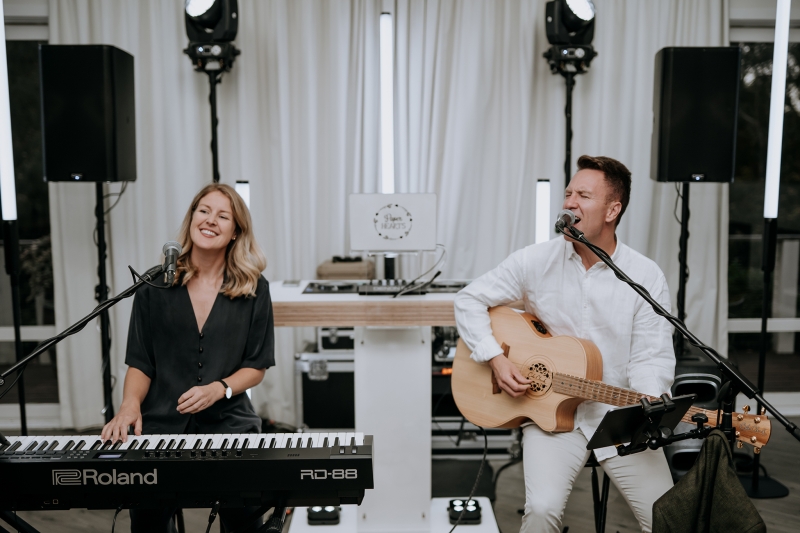
Entertainment: Paper Hearts, Photographer: Sorrento Weddings Photography & Films
Early start fees
If your timeline requires your entertainers to arrive and set up well before the booking start time, some charge an early arrival fee. As one contributor explained: “If the band needs to be fully set up more than thirty minutes before the booking start time, there is an additional fee.”
Feature performers
Adding a live element to a DJ set, such as a saxophonist, percussionist, or vocalist, can lift the energy on the dance floor. One contributor had a note of caution though: “Book a good one. Nothing more annoying than a very average sax player honking along for two hours.” Expect to pay $800 to $1,500 for a quality feature performer.
AV and production upgrades
For large venues or rooms with more than 200 to 250 guests, standard speaker setups may not provide enough coverage. Additional subwoofers, speakers, or dedicated AV support can add $300 to $1,000 or more. Some venues also require couples to use their in-house AV system, which comes with its own hire fee and can prevent your entertainer from using their own equipment. Ask your venue about its AV policy before you book your entertainment.
Other costs worth asking your entertainment provider about:
- Lighting upgrades, including uplighting, monogram projection, and dance floor effects, typically $150 to $500
- Roving entertainers, including champagne servers, visual performers, or interactive elements, from $600 to $1,500 each
- Ceremony sound setup if your celebrant does not have their own PA system
- Crew meals and parking, often overlooked but standard for full-day bookings
- Peak date surcharges for public holidays and high-demand Saturdays
- Photobooth hire, typically $350 to $1,500 depending on the format
On payment, most entertainment providers follow a similar structure to other wedding vendors. Expect a deposit of between twenty and fifty percent at booking, with the balance due anywhere from two weeks to two months before the wedding. Some providers offer payment plans if you ask. Before you sign anything, read the cancellation terms carefully and get the payment schedule in writing.
Entertainment: Baker Boys Band
What Goes Into the Price You Pay for Wedding Entertainment?
Entertainment pricing covers far more than the performance. A significant portion of what you pay covers things you never see on the day: planning and preparation, professional equipment, business overheads, and the years of experience that make the whole thing look effortless. As one contributor put it: “You are not paying for time. You are paying for years of experience and the ability to entertain.”
The time investment
An entertainer’s work starts long before they arrive at your venue. Estimates from our contributors ranged from nine to twelve hours for a straightforward DJ booking through to twenty to thirty-five hours for a full-service DJ and MC package. One contributor broke it down in detail: “Minimum twenty-four to thirty-five hours, including personal consultations, sourcing special requests, custom recordings, a custom agenda, pre-reception coordination, event preparation, travel, setup, and performance.” Another put it simply: “On the day itself, a typical wedding might be a five-hour performance, but the total time invested is usually closer to fifteen to twenty hours.”
Equipment and maintenance
Professional sound systems, microphones, instruments, lighting rigs, and backup gear all cost significant money to buy, maintain, transport, and replace. One contributor gave a sense of the scale: “A good DJ owns about $20,000 to $30,000 of equipment. Factor in replacement costs, wear and tear, and the regular testing and tagging of electrical items, and that’s a meaningful ongoing expense built into every booking.” Another noted that behind-the-scenes costs also include public liability insurance, superannuation for musicians, and ongoing marketing and software costs that most couples never see.
Software, music libraries, and licensing
Professional entertainers also invest heavily in the software and music that power their performances. “I spend about $10,000 a year on software subscriptions and another $3,000 to $4,000 on music,” said one contributor. “No one understands how quickly expenses add up until they start their own small business.”
One useful clarification: couples generally do not pay music licensing fees directly. Venues in Australia must hold APRA and PPCA licences covering live and recorded music. If an entertainer mentions licensing as a cost, they carry it as a business expense within their pricing rather than adding it to your bill.
Business running costs
Behind every professional entertainer sits a long list of operational costs most couples never see: public liability insurance, admin, tax, accounting software, equipment maintenance, and ongoing professional development. As one contributor put it: “They’re not hidden costs, just the costs of doing business. Just like couples planning their weddings, we are also consumers and are affected by rising living and business expenses.” It’s a long list, and it sits behind every quote you receive.
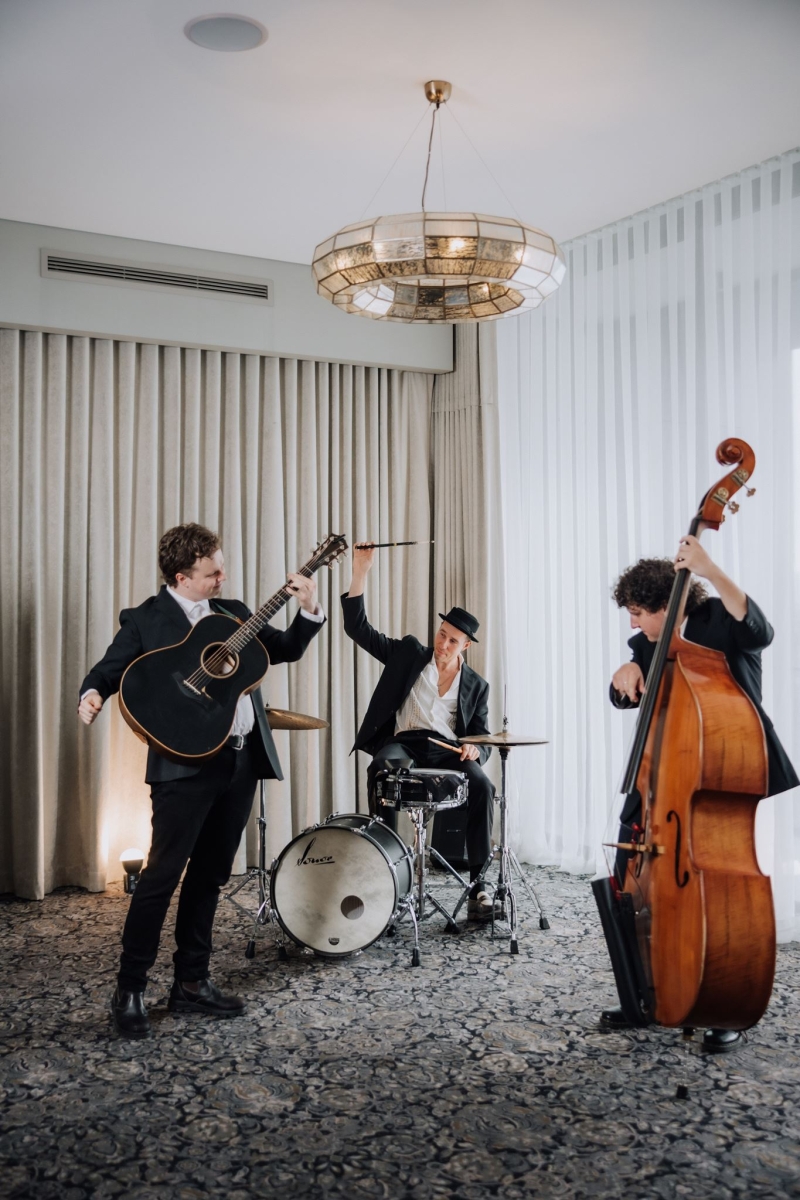
Entertainment: Event Entertainers, Image courtesy of Event Entertainers
How to Make Your Entertainment Budget Work Harder
There are genuine ways to reduce your entertainment spend without compromising the experience. Our contributors shared their most practical advice.
Choose an off-peak date
An off-peak date gives you one of the most effective ways to reduce your spend. Fridays, Sundays, and winter dates often attract discounts of ten to twenty percent with the same entertainers. One contributor put it simply: “Want the same entertainer for less? Book them on a Friday, Sunday, or winter date. Same energy, smaller price tag.”
Start with a great DJ
If you’re watching your budget, a skilled DJ can deliver the highest-value single booking in the entertainment category. They can cover ceremony, cocktail hour, and reception, handle basic MC duties, and deliver a strong dance floor without the cost of a full live band. As one contributor noted: “A DJ for the reception can be great bang for your buck. Big impact for all guests for a good portion of the night, and one of the more moderately priced vendors compared to others.”
Use the same act across multiple parts of your day
Booking one act to cover the ceremony, cocktails, and reception will almost always cost less than booking three separate acts. One contributor explained the most popular flow: a singer and guitarist for the ceremony, joined by additional musicians for cocktails, then transitioning into a band or DJ for the reception. “Using the same musicians across all parts of your day is a great way to keep costs down.”
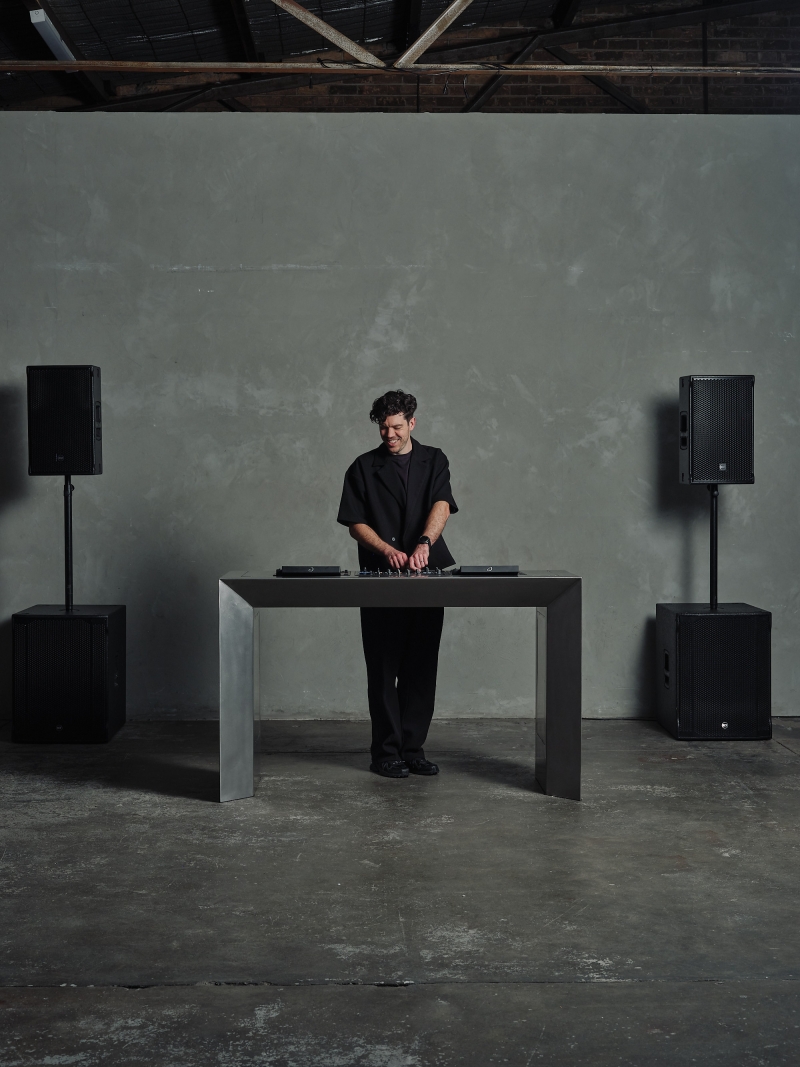
Entertainer: Married to the Groove, Photographer: Simon Shiff Says
Avoid booking two separate companies for the same night
One contributor flagged a pattern they see regularly: couples book a band for the reception, then a separate DJ company for the final hour, ending up paying for two complete sound setups. Adding an extra hour to your existing entertainment booking will almost always cost less and create a cleaner experience on the night.
Consider a hybrid performer
A musician who can also DJ, or a DJ who can provide acoustic coverage for earlier parts of the day, can give you broad coverage with fewer people and fewer invoices. As one contributor put it: “Generally, the less people, the less costs.” Another suggested: “An acoustic soloist who can also provide a DJ service to perform from ceremony through to reception” is one of the most budget-friendly options available.
Add a feature rather than a full act
If you love the idea of live music but a full band sits outside your budget, adding a saxophonist or percussionist to a DJ set gives you live energy for a fraction of the price. As one contributor put it: “A good DJ for reception is our non-negotiable. Booking a DJ over a live band or musicians will always be more budget friendly.”
Think about what kind of wedding you actually want
If a packed dance floor isn’t your top priority, ask whether a different format might suit you better. One contributor offered a perspective that does not come up often enough: “Maybe do a lunchtime wedding with no pressure of a packed dance floor, then kick on with your mates afterwards.” Not every wedding needs to peak at midnight. Design your day around what actually matters to you.
Be honest about your budget from the first conversation
Entertainers work with budget constraints more often than couples realise. Many will tell you what they can offer within your budget rather than simply showing you the most expensive option. If you love someone’s work but their quote sits slightly beyond your reach, ask whether they have a more budget-friendly option before assuming the answer is no.
Prioritise the reception
If your budget feels tight, focus your entertainment spend on the reception and keep everything earlier in the day simpler. One contributor was refreshingly honest about it: “If you are looking to pull back on entertainment budget, you can get away with Spotify for the ceremony and cocktail hour.” The reception holds most of the night’s energy, so entertainment can make the biggest impact there.
But skip the Spotify playlist for the reception itself
A playlist can work for earlier parts of the day, but handing the reception over to a professional remains worth the investment. Weddings rarely run exactly to schedule. As one contributor put it: “Suddenly your perfectly timed playlist is completely out of sync. And the moment someone has to run to the phone to skip ads during your first dance, the romance dies instantly.”
Build in a contingency
Prioritise the elements that matter most, trim where they do not, and keep a small buffer for the unexpected. A last-minute hour extension, an additional setup that did not make it into the original quote, or a special song request you decide on closer to the day can all add to the cost. A little room in the budget lets you say yes without the stress.
Book early
The best entertainers’ calendars fill fast, particularly for popular Saturday dates in spring and autumn. One contributor summed it up well: “The best-fit entertainers tend to get snapped up well in advance, and locking in early often gives you more choice and a bit more breathing room in the planning process.” If you love someone’s work, don’t wait.
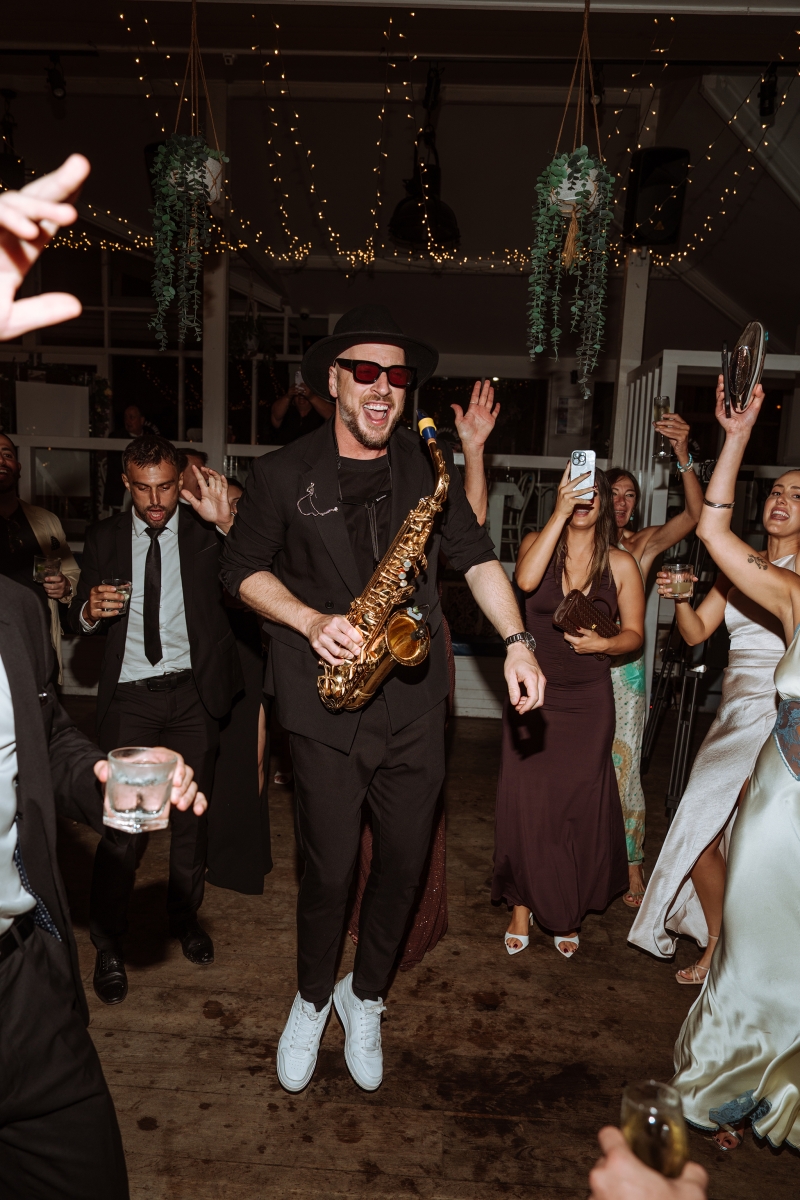
Entertainer: Hey Jack!, Photographer: Hey Jack!
Final Thoughts on Wedding Entertainment Budgets
Your entertainment choices shape the atmosphere, the energy, and the emotional memory of your whole day. Getting the entertainment right deserves time, and getting the budget right starts with an honest conversation about what matters most to you.
One contributor put the shift in thinking well: “Don’t treat entertainment as a line item. Treat it as the engine of the experience. It’s one of the few elements that touches every part of the day. When it’s done well, everything feels effortless. When it’s off, even slightly, it’s noticeable.”
The idea of entertainment as the engine, rather than a garnish, separates the weddings people talk about for years from the ones they remember as lovely but forgettable. As one contributor described it: “Weddings are remembered emotively, on the elation of peak moments. Entertainment is the curation of those peaks, the soundtrack to your forever memories.”
And a reminder sits underneath all the budgeting and planning: the numbers matter, but the feeling lasts. “The best weddings are the ones that felt like you, a mix of class, chaos, and joy that no one else could pull off. People might forget what the flowers looked like. They might forget which wine was served. But they will never forget how your wedding made them feel.”
“Listen to the music and choose the voices that resonate with you. The right fit isn’t about ticking boxes. It’s about walking into your wedding and thinking, yes, this sounds like us.”
An enormous thank you to the entertainment pros who took the time to contribute to this guide: Serge of DJ:Plus! Entertainment, Jono of Tubbzmix Entertainment, Baker Boys Band, Melbourne Entertainment Company, Aleks and Eddy from One More Song, Josh of Married to the Groove, Jordyn of Hey Jack!, Wendy of Wendybird Music, Ryan and Amelia of Paper Hearts, Josie of Event Entertainers, and Alex of Unity Entertainment.
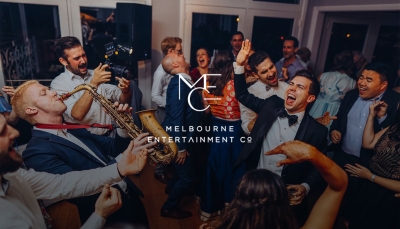
Main Image – Melbourne Entertainment Company, Photographer: Michael Briggs Photography





Join the conversation